Table of Contents
Introduction
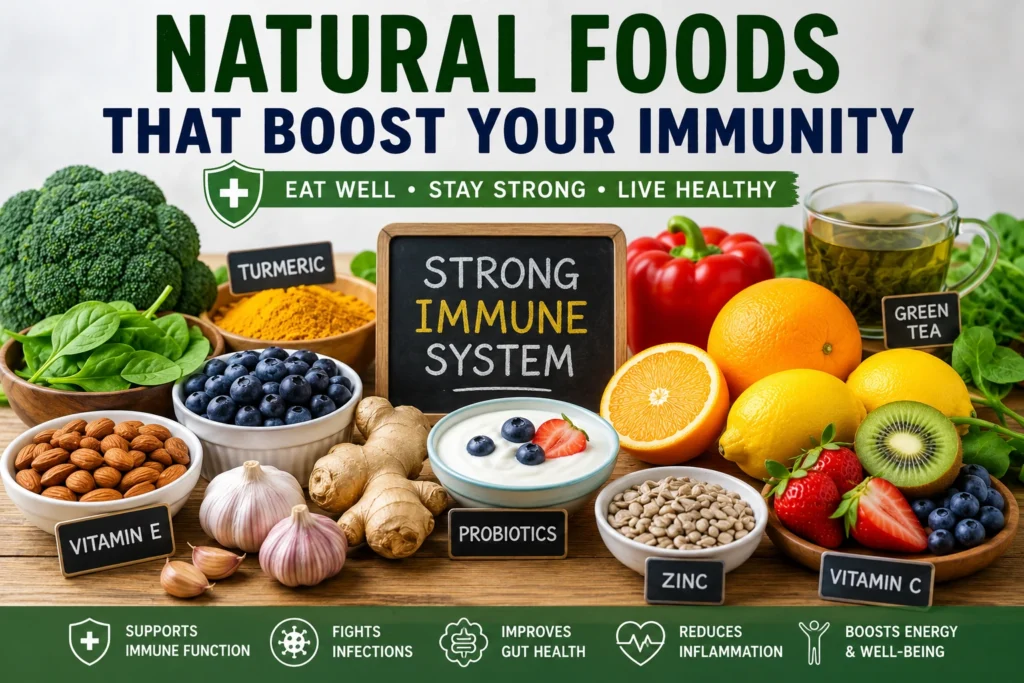
Natural Foods That Boost Immunity are one of the most effective ways to help your body defend itself against infections, viruses, and everyday illnesses. While no single food can prevent disease, eating a balanced diet rich in vitamins, minerals, antioxidants, and healthy fats helps your immune system function at its best.
Your immune system works around the clock to protect you from harmful bacteria, viruses, and other pathogens. Supporting it with nutrient-rich foods, regular exercise, quality sleep, and stress management can improve your overall health and resilience.
In this guide, you’ll discover the best natural foods for immune health, the nutrients that keep your immune system strong, and practical tips for adding these foods to your daily meals.
Why Your Immune System Matters
Your immune system is your body’s natural defense network. It identifies and destroys harmful microorganisms before they can cause illness.
A strong immune system helps:
- Fight infections
- Recover faster from illness
- Reduce inflammation
- Protect cells from damage
- Promote healthy aging
- Improve overall wellness
Although genetics influence immunity, healthy lifestyle choices have a major impact on immune function.
Key Nutrients That Support Immunity
Several nutrients are essential for maintaining a healthy immune system.
Vitamin C
Supports white blood cell production and protects cells from oxidative stress.
Vitamin A
Maintains healthy skin and mucous membranes, which serve as protective barriers against pathogens.
Vitamin D
Helps regulate immune responses and supports infection defense.
Vitamin E
Acts as a powerful antioxidant that protects immune cells.
Zinc
Supports immune cell growth and wound healing.
Selenium
Protects cells from oxidative damage and supports immune function.
Probiotics
Promote a healthy gut microbiome, where much of the immune system resides.
15 Natural Foods That Boost Immunity
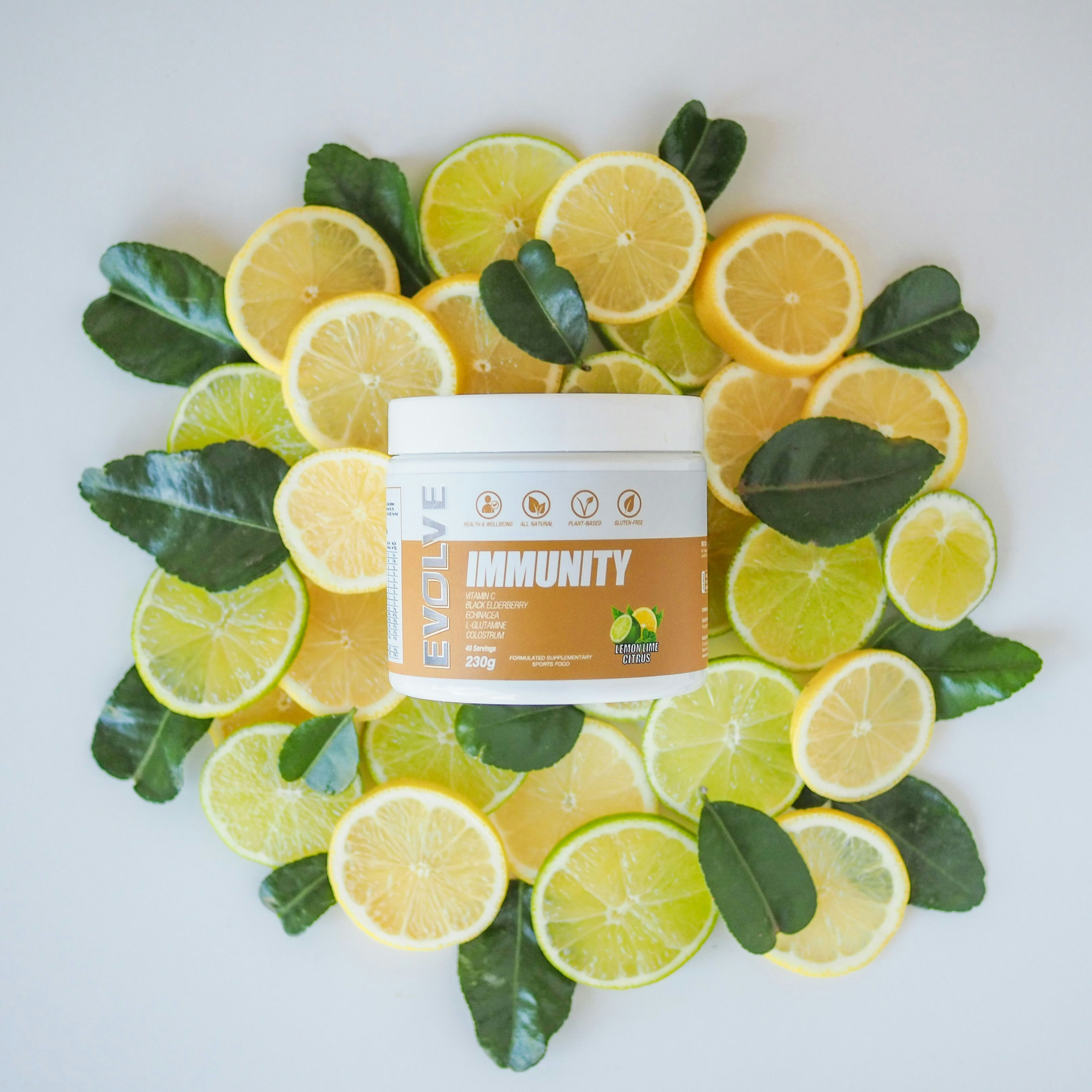
1. Citrus Fruits
Oranges, lemons, grapefruits, limes, and tangerines are packed with vitamin C.
Benefits
- Supports white blood cells
- Helps fight infections
- Protects cells from free radicals
Enjoy fresh fruit or freshly squeezed juice without added sugar.
2. Blueberries
Blueberries are rich in antioxidants called anthocyanins.
Benefits
- Reduce inflammation
- Protect immune cells
- Support brain health
Add them to oatmeal, yogurt, or smoothies.
3. Spinach
Spinach provides vitamins A, C, E, folate, and iron.
Benefits
- Supports immune cell production
- Rich in antioxidants
- Promotes healthy blood circulation
Eat raw in salads or lightly cooked.
4. Garlic
Garlic has been valued for centuries for its medicinal properties.
Benefits
- Contains allicin
- Supports immune defense
- May reduce the severity of colds
Use fresh garlic whenever possible.
5. Ginger
Ginger offers powerful anti-inflammatory compounds.
Benefits
- Supports immune health
- Helps soothe sore throats
- Reduces inflammation
Add ginger to tea, stir-fries, and soups.
6. Turmeric
Curcumin, turmeric’s active ingredient, is a potent antioxidant.
Benefits
- Supports healthy immune responses
- Reduces inflammation
- Protects body cells
Pair turmeric with black pepper for improved absorption.
7. Yogurt
Plain yogurt contains beneficial probiotics.
Benefits
- Supports gut bacteria
- Strengthens immune function
- Improves digestion
Choose plain, unsweetened yogurt.
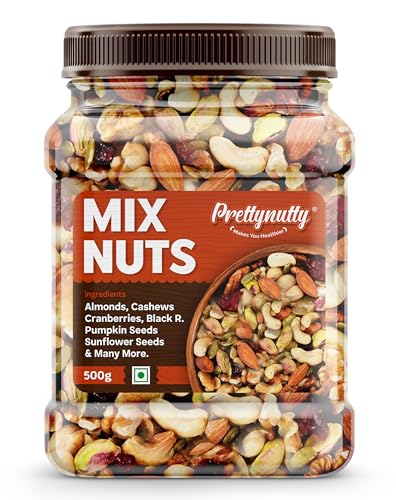
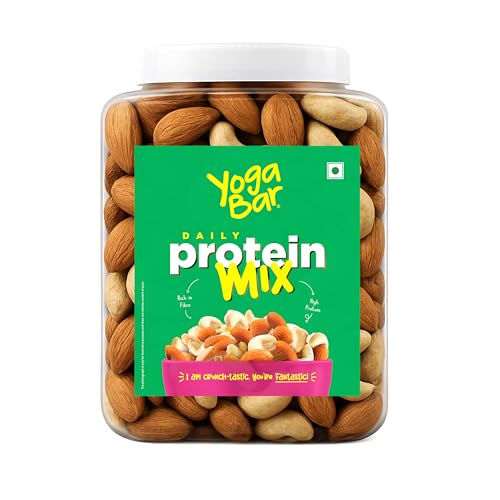
8. Almonds
Almonds are an excellent source of vitamin E.
Benefits
- Protects immune cells
- Supports healthy skin
- Provides healthy fats
A small handful makes an excellent snack.
9. Green Tea
Green tea contains catechins and polyphenols.
Benefits
- Rich in antioxidants
- Supports immune function
- Promotes healthy metabolism
Drink one or two cups daily.
10. Broccoli
Broccoli is among the most nutrient-dense vegetables.
Benefits
- High in vitamins C, A, and K
- Rich in fiber
- Supports detoxification
Steam lightly to preserve nutrients.
11. Red Bell Peppers
Red peppers contain even more vitamin C than oranges.
Benefits
- Boost immune defenses
- Support collagen production
- Protect healthy skin
Enjoy raw or roasted.
12. Mushrooms
Varieties like shiitake and maitake contain immune-supporting compounds.
Benefits
- Support white blood cells
- Provide vitamin D (when exposed to UV light)
- Rich in antioxidants
13. Sunflower Seeds
These tiny seeds are nutrient powerhouses.
Benefits
- Rich in vitamin E
- Contain selenium
- Support healthy immune responses
Add them to salads or oatmeal.
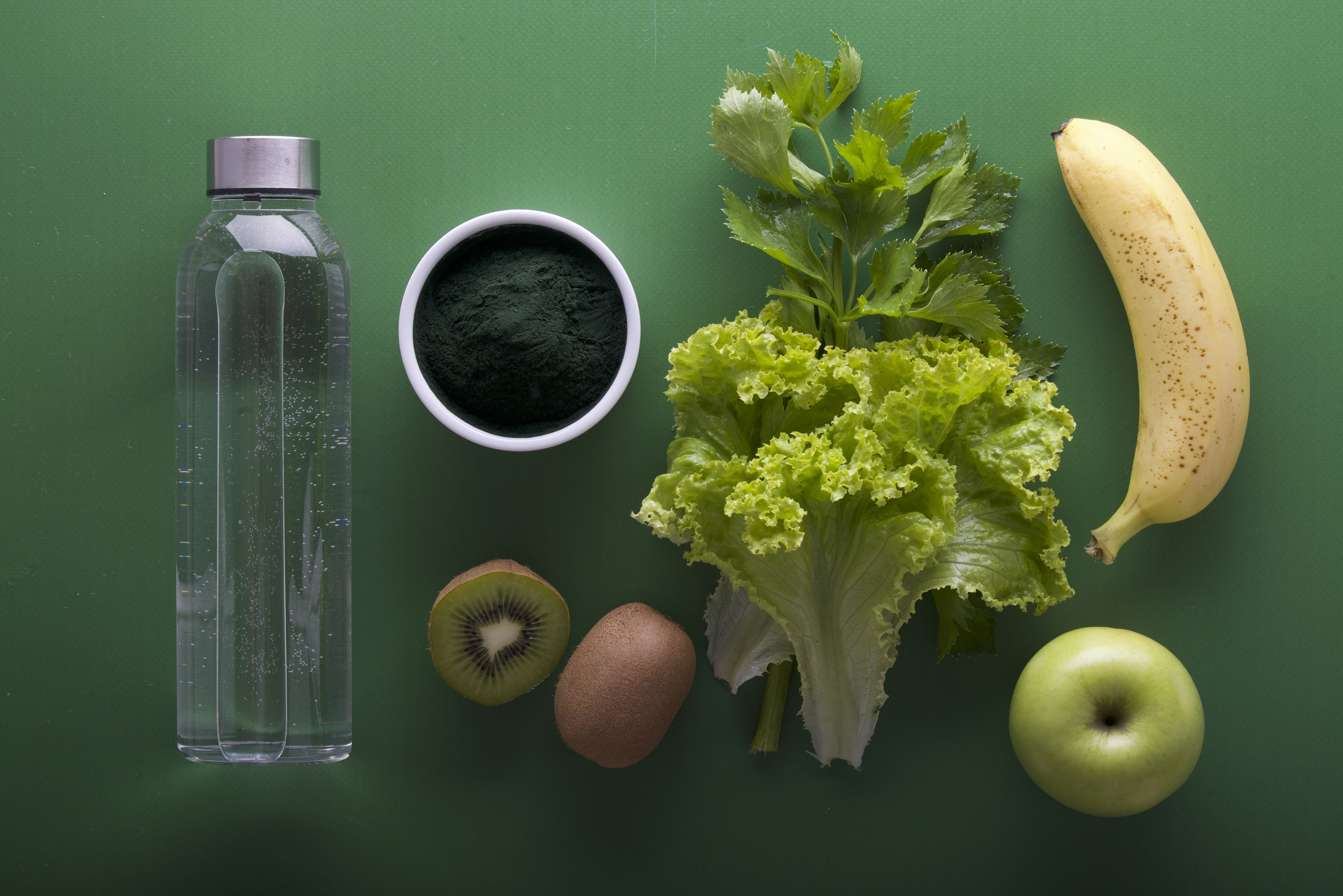
14. Kiwi
Kiwi contains vitamin C, vitamin K, folate, and potassium.
Benefits
- Supports immune health
- Helps reduce inflammation
- Promotes healthy digestion
15. Fatty Fish
Salmon, sardines, and mackerel are rich in omega-3 fatty acids.
Benefits
- Reduce inflammation
- Support immune regulation
- Promote heart health
Aim for two servings each week.
Daily Habits That Strengthen Immunity
Food is only one piece of the puzzle. Healthy habits also play a major role.
Stay Hydrated
Water supports circulation and nutrient transport.
Exercise Regularly
Aim for at least 150 minutes of moderate activity each week.
Get Enough Sleep
Adults generally need 7–9 hours of quality sleep.
Manage Stress
Practice meditation, yoga, deep breathing, or spend time outdoors.
Avoid Smoking
Smoking weakens immune defenses.
Limit Alcohol
Excessive alcohol can impair immune function.
Sample Immune-Boosting Meal Plan
Breakfast
Greek yogurt with blueberries, almonds, and chia seeds.
Morning Snack
Orange slices and green tea.
Lunch
Grilled salmon with spinach salad, broccoli, and quinoa.
Afternoon Snack
Carrot sticks with hummus.
Dinner
Chicken and vegetable stir-fry with garlic, ginger, mushrooms, and brown rice.
Evening Snack
Kiwi fruit.
Foods That May Weaken Immunity
Limit foods high in:
- Added sugars
- Sugary beverages
- Highly processed snacks
- Excess sodium
- Trans fats
- Refined carbohydrates
These foods may contribute to inflammation and poor overall health when consumed excessively.
Tips for Including More Immune-Boosting Foods
- Add berries to breakfast.
- Include leafy greens in salads and smoothies.
- Cook with garlic and ginger regularly.
- Drink green tea instead of sugary beverages.
- Snack on almonds or sunflower seeds.
- Eat colorful fruits and vegetables every day.
- Include probiotic-rich yogurt several times a week.
Small, consistent changes can make a meaningful difference.
Final Thoughts
Supporting your immune system starts with everyday choices. Eating a variety of Natural Foods That Boost Immunity, including citrus fruits, leafy greens, garlic, ginger, yogurt, berries, nuts, and fatty fish, provides your body with the nutrients it needs to function efficiently.
Remember that no single food can guarantee protection from illness. The best approach combines nutritious eating, regular physical activity, adequate sleep, hydration, and stress management. By adopting these healthy habits, you’ll help strengthen your body’s natural defenses and support long-term wellness.
Frequently Asked Questions (FAQ)
What are the best natural foods that boost immunity?
Citrus fruits, blueberries, spinach, garlic, ginger, turmeric, yogurt, almonds, broccoli, mushrooms, kiwi, sunflower seeds, and fatty fish are among the best immune-supporting foods.
Does vitamin C improve immunity?
Vitamin C supports immune cell function and helps protect cells from oxidative stress, making it an important nutrient for immune health.
Are probiotics good for the immune system?
Yes. Probiotics help maintain a healthy gut microbiome, which plays a major role in supporting immune function.
Which fruit is best for boosting immunity?
Oranges, kiwi, strawberries, blueberries, and grapefruit are excellent choices because they are rich in vitamin C and antioxidants.
Can garlic help fight infections?
Garlic contains allicin, a compound with antimicrobial properties that may help support the body’s natural defenses.
How does sleep affect immunity?
Adequate sleep allows your immune system to recover and function effectively. Most adults should aim for 7–9 hours each night.
Is green tea good for immune health?
Yes. Green tea contains antioxidants such as catechins, which help protect cells and support overall wellness.
Can exercise strengthen the immune system?
Regular moderate exercise supports healthy circulation and immune function, while excessive intense exercise without recovery may temporarily weaken immunity.
Which foods should I avoid for better immunity?
Limit sugary drinks, highly processed foods, excessive alcohol, and foods high in trans fats, as they may contribute to inflammation.
Can diet alone prevent illness?
No. A healthy diet supports immune function, but overall wellness also depends on sleep, exercise, stress management, vaccinations where appropriate, and good hygiene.