Table of Contents
Boost Your Digestion with High-Fiber Foods
If you want better digestion, more energy, and fewer cravings, adding more High-Fiber Foods to your diet is one of the smartest changes you can make. Fiber is an essential nutrient that supports a healthy digestive system, keeps you feeling full for longer, and even helps regulate blood sugar and cholesterol levels. Despite its many benefits, most people don’t get enough fiber in their daily diet.
Fortunately, increasing your fiber intake doesn’t have to be difficult. By choosing whole, nutrient-rich foods like fruits, vegetables, legumes, whole grains, nuts, and seeds, you can naturally improve your digestive health while supporting your overall well-being.
Why Fiber Is Essential for Healthy Digestion
Dietary fiber is a type of carbohydrate that your body cannot fully digest. Instead of being broken down like other nutrients, fiber travels through your digestive system, helping food move smoothly through the intestines and supporting healthy bowel function.
There are two main types of fiber, and both are important.
Soluble Fiber
Soluble fiber dissolves in water and forms a gel-like substance inside your digestive tract. It helps slow digestion, stabilize blood sugar levels, lower LDL (bad) cholesterol, and keeps you feeling satisfied after meals.
Good sources include:
- Oats
- Apples
- Beans
- Lentils
- Chia seeds
- Citrus fruits
Insoluble Fiber
Insoluble fiber adds bulk to stool, helping food move efficiently through your digestive system. It promotes regular bowel movements and helps prevent constipation.
Excellent sources include:
- Whole grains
- Broccoli
- Carrots
- Nuts
- Seeds
- Leafy vegetables
Eating a variety of High-Fiber Foods ensures you receive the benefits of both types of fiber while supporting long-term digestive health.
Top 10 High-Fiber Foods for Better Digestion
1. Lentils
Lentils are one of the richest sources of dietary fiber, providing around 15 grams per cooked cup. They’re also packed with plant protein, iron, and folate, making them perfect for soups, curries, salads, and grain bowls.
2. Chia Seeds
Tiny but incredibly nutritious, chia seeds contain about 10 grams of fiber per ounce. They absorb water to form a gel that supports digestion and helps you stay full longer.
3. Oats
Oats are rich in beta-glucan, a soluble fiber known for improving heart health and supporting healthy gut bacteria. A bowl of oatmeal is an excellent way to start your day.
4. Quinoa
Quinoa is a fiber-rich whole grain that’s naturally gluten-free. It provides protein, essential minerals, and about 5 grams of fiber per cooked cup, making it ideal for healthy lunches and dinners.
5. Raspberries
These delicious berries contain approximately 8 grams of fiber per cup while providing powerful antioxidants and vitamin C. They’re perfect for smoothies, yogurt, or healthy snacks.
6. Artichokes
Artichokes are among the highest-fiber vegetables available, supplying roughly 10 grams of fiber per medium artichoke. They also help nourish beneficial gut bacteria.
7. Split Peas
Split peas provide over 16 grams of fiber per cooked cup and make hearty soups that support digestive health and long-lasting fullness.
8. Apples
An apple a day offers around 4 grams of fiber, especially when eaten with the skin. Apples also contain pectin, a soluble fiber that supports healthy digestion.
9. Broccoli
Broccoli delivers fiber, vitamins, antioxidants, and plant compounds that promote digestive and overall health. Steamed or roasted broccoli makes an excellent side dish.
10. Black Beans
Black beans contain approximately 15 grams of fiber per cooked cup while also providing protein, iron, and magnesium. They’re perfect in tacos, salads, soups, or rice bowls.
How High-Fiber Foods Keep You Full Longer
One of the biggest advantages of eating High-Fiber Foods is their ability to reduce hunger naturally.
Fiber slows digestion, helping food remain in your stomach longer. This gradual digestion provides a steady release of energy while preventing sudden spikes and crashes in blood sugar.
As fiber absorbs water, it expands in your stomach and creates a feeling of fullness. This natural process can reduce cravings, prevent overeating, and make it easier to manage a healthy weight without feeling deprived.
High-fiber meals also encourage healthier portion sizes and reduce unnecessary snacking throughout the day.
Easy Ways to Add More High-Fiber Foods to Your Diet
Boosting your fiber intake doesn’t require a complete diet overhaul. Small changes can make a big difference.
Try these simple tips:
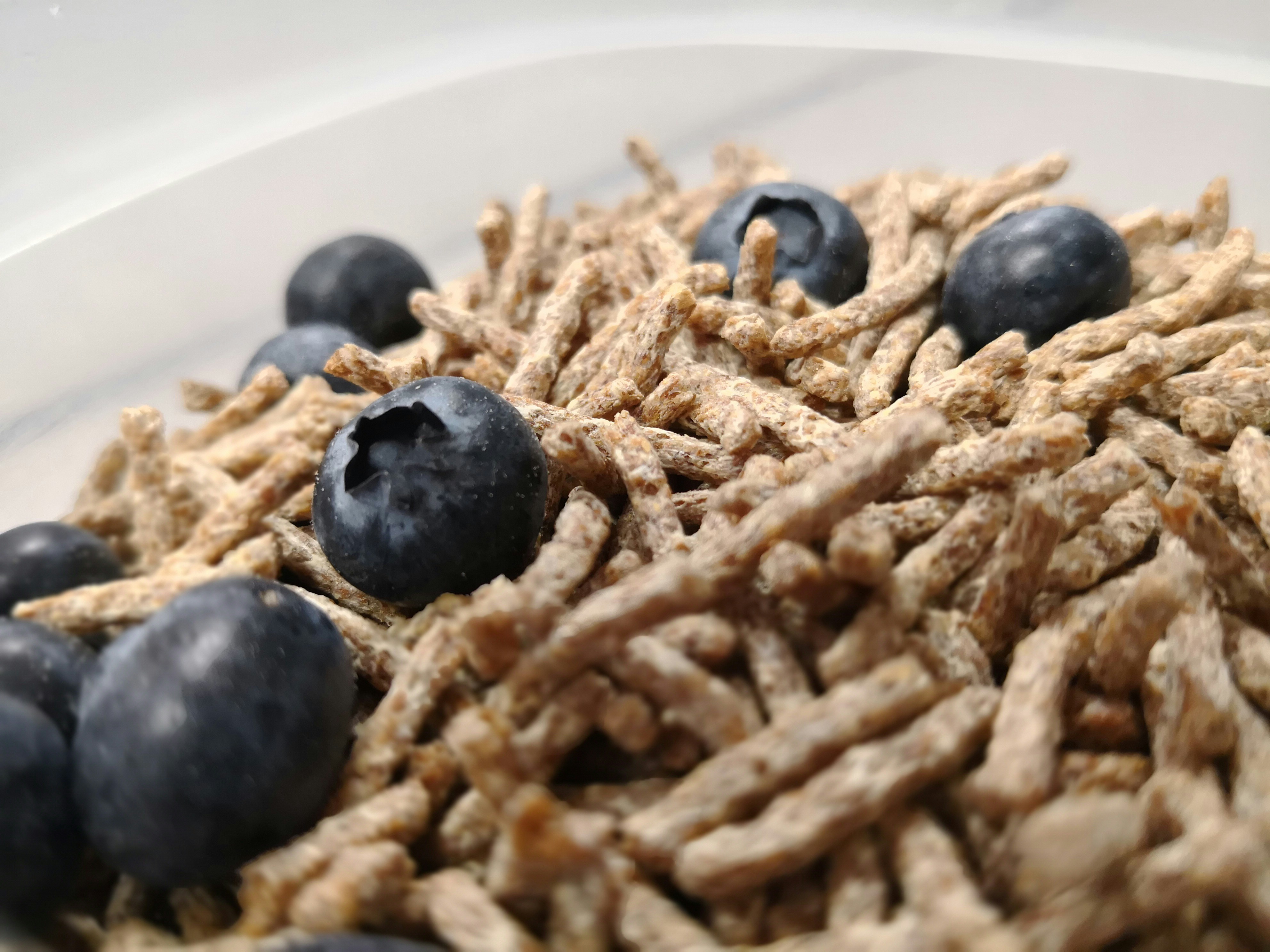
- Start your morning with oatmeal topped with berries and chia seeds.
- Replace white rice with quinoa or brown rice.
- Add beans or lentils to soups, salads, and casseroles.
- Snack on apples, pears, nuts, or raw vegetables.
- Include leafy greens with lunch and dinner.
- Sprinkle flaxseeds or chia seeds into yogurt and smoothies.
- Choose whole-grain bread and pasta whenever possible.
- Keep frozen vegetables on hand for quick, fiber-rich meals.
Remember to increase your fiber intake gradually and drink plenty of water to help your digestive system adjust comfortably.
Final Thoughts
Adding more High-Fiber Foods to your daily meals is one of the easiest ways to improve digestion, support gut health, manage weight, and maintain steady energy levels. From oats and lentils to berries, beans, and vegetables, these nutrient-rich foods offer lasting health benefits that go far beyond digestion.
By making small, consistent dietary changes, you can build healthier eating habits that support your digestive system and overall wellness for years to come.im for at least one high-fiber food in each dish and store prepared snacks like veggie sticks or fruit for quick access. By being creative and making simple substitutions, increasing your fiber intake can seamlessly fit into your lifestyle.
Frequently Asked Questions (FAQ)
What are High-Fiber Foods?
High-fiber foods are foods rich in dietary fiber, including fruits, vegetables, legumes, whole grains, nuts, and seeds that support healthy digestion and overall wellness.
How much fiber should I eat each day?
Most adults should aim for 25 grams of fiber per day for women and 38 grams per day for men, depending on age and activity level.
Which fruits are highest in fiber?
Raspberries, pears, apples, blackberries, avocados, and oranges are among the highest-fiber fruits.
Can High-Fiber Foods help with weight loss?
Yes. High-fiber foods increase feelings of fullness, reduce hunger, and may help lower overall calorie intake, making weight management easier.
Are High-Fiber Foods good for gut health?
Absolutely. Fiber feeds beneficial gut bacteria, supports regular bowel movements, and promotes a healthy digestive system.
What happens if I eat too much fiber too quickly?
Increasing fiber too rapidly may cause bloating, gas, or stomach discomfort. Increase intake gradually and drink plenty of water.
Which vegetables contain the most fiber?
Broccoli, Brussels sprouts, artichokes, carrots, peas, spinach, and sweet potatoes are excellent sources of fiber.
Is oatmeal high in fiber?
Yes. Oats contain soluble fiber called beta-glucan, which supports heart health, digestion, and blood sugar control.
Can children eat High-Fiber Foods?
Yes. Children benefit from fiber-rich foods like fruits, vegetables, whole grains, and beans as part of a balanced diet.
What are the best High-Fiber Foods for breakfast?
Great breakfast options include oatmeal with berries, whole-grain toast with avocado, chia pudding, high-fiber cereal, and smoothies made with fruits, spinach, and flaxseeds.