
Table of Contents
Understanding Diabetes and the Importance of a Healthy Diet
Foods for Diabetes play a vital role in controlling blood sugar levels and supporting overall health. Diabetes is a chronic condition that affects the body’s ability to regulate blood glucose effectively. The two main types are Type 1 diabetes, where the pancreas produces little or no insulin, and Type 2 diabetes, where the body becomes resistant to insulin or doesn’t produce enough of it. Without proper management, diabetes can increase the risk of heart disease, kidney damage, nerve problems, and other serious health complications.
A balanced diet is one of the most effective ways to manage diabetes naturally. Choosing the right Foods for Diabetes can help prevent sudden spikes in blood sugar while providing the essential nutrients your body needs to function properly. Foods high in refined sugars and processed carbohydrates should be limited because they can quickly raise blood glucose levels. Instead, focus on whole, nutrient-rich foods that support steady energy and better metabolic health.
Whole grains, legumes, leafy green vegetables, lean proteins, healthy fats, and fiber-rich foods have a lower glycemic impact and release glucose more slowly into the bloodstream. These nutritious options help stabilize blood sugar, improve digestion, support heart health, and keep you feeling full for longer. Including these healthy foods in your daily meals can make diabetes management easier while promoting long-term wellness.
Understanding how different foods affect your blood sugar empowers you to make healthier choices every day. By regularly including Foods for Diabetes in your meal plan, you can maintain more stable glucose levels, lower the risk of diabetes-related complications, and enjoy a healthier, more active lifestyle.
Key Nutrients for Blood Sugar Control
Effectively managing blood sugar levels is essential for individuals dealing with diabetes, and this can be achieved through a well-balanced diet rich in key nutrients. Among these, fiber, healthy fats, lean proteins, and complex carbohydrates play vital roles in stabilizing blood sugar.
Fiber is particularly impactful as it slows down the digestion process and prevents rapid spikes in blood glucose levels. Foods high in fiber include fruits, vegetables, legumes, and whole grains. Incorporating such items into meals can significantly enhance overall blood sugar control, with a recommended aim of at least 25–30 grams of fiber per day.
Healthy fats, such as those found in avocados, nuts, and olive oil, also contribute to blood sugar regulation. These fats can aid in increasing satiety, which helps in managing hunger and preventing overeating—an essential factor in blood sugar stabilization. Furthermore, they assist in reducing inflammation and improving heart health, which is particularly important for individuals with diabetes.
Lean proteins, such as poultry, fish, tofu, and legumes, are crucial for maintaining muscle mass and promoting metabolic health. Protein consumption can help balance blood sugar by providing a more gradual source of energy. Adding a protein source to meals ensures better satiety and supports consistent energy levels, thereby helping to avoid glucose fluctuations.
Lastly, complex carbohydrates, found in whole grains, beans, and vegetables, are an excellent energy source while being beneficial for blood sugar levels. Unlike simple carbohydrates, complex carbs break down slowly, leading to a more gradual release of glucose into the bloodstream. Including these in meals supports not only stable blood sugar but also sustained energy throughout the day.
Overall, integrating these key nutrients into daily meals can promote better blood sugar management, encouraging a healthier lifestyle for those with diabetes.
Healthy Food Options for a Diabetes-Friendly Diet
When managing diabetes, making mindful food choices is essential. A variety of healthy foods can significantly contribute to blood sugar stabilization and overall health. Below is a categorized list of recommended food options that can help maintain a balanced diet suitable for those with diabetes.
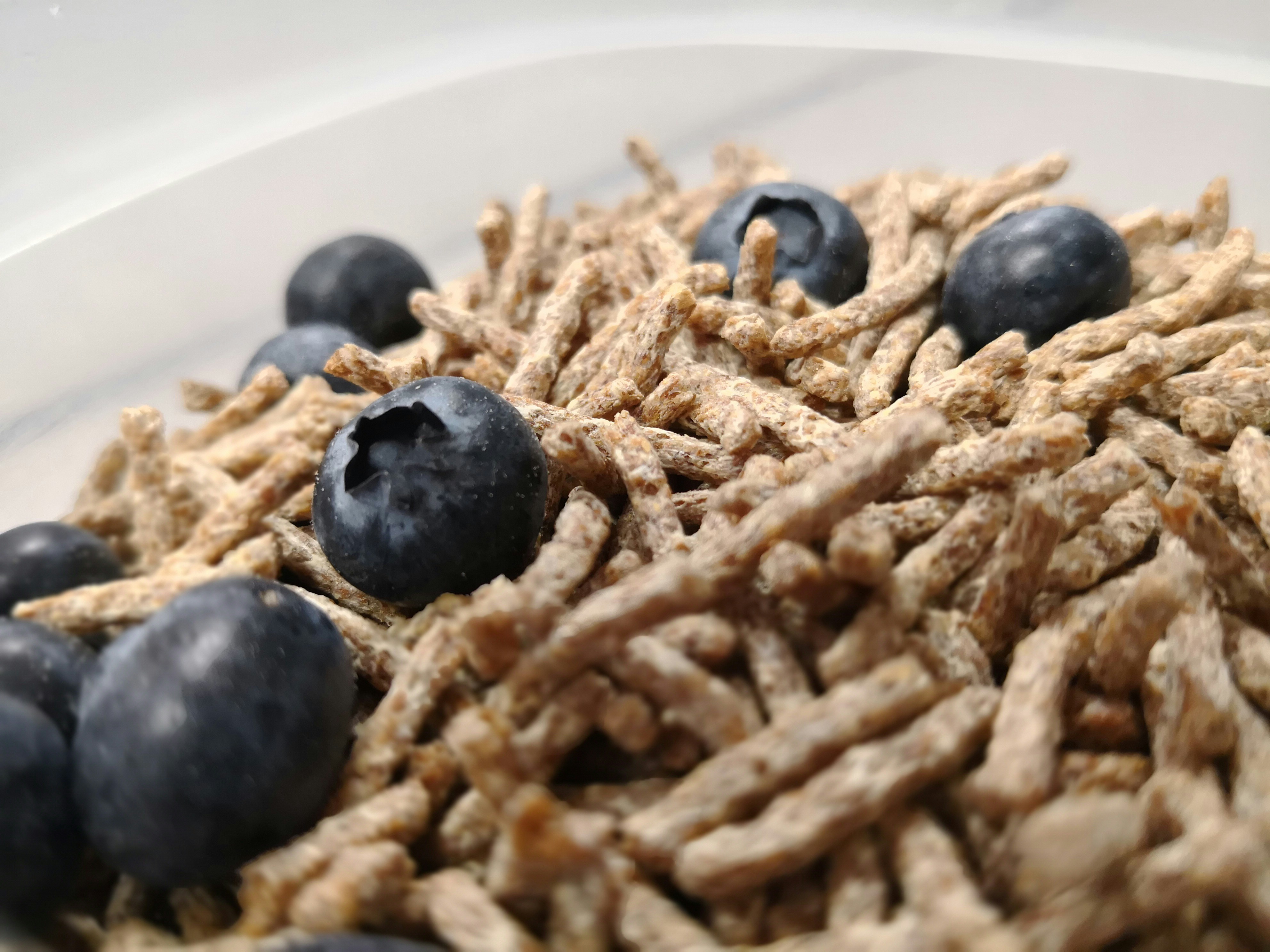
Fruits: While fruits contain natural sugars, they also provide essential vitamins, minerals, and fiber. Berries such as blueberries, strawberries, and raspberries are excellent choices due to their low glycemic index. Apples and pears, with their high fiber content, can also be beneficial. Pairing these fruits with a source of protein, like Greek yogurt or nuts, can further balance blood sugar levels.
Vegetables: Non-starchy vegetables are crucial in a diabetes-friendly diet. Leafy greens such as spinach, kale, and arugula are nutrient-dense and low in carbohydrates. Cruciferous vegetables like broccoli and cauliflower can be included in meals for added fiber and nutrients. For snack options, raw cucumber, bell peppers, and celery sticks can be enjoyed with hummus.
Whole Grains: Opting for whole grains instead of refined grains helps regulate blood sugar levels. Foods like quinoa, brown rice, barley, and farro are high in fiber and slowly digestible carbohydrates, making them excellent choices for balanced meals. Whole grain bread and oats can also be integrated into breakfast or as sides for lunches and dinners.
Lean Proteins: Including lean proteins in meals can enhance satiety and prevent blood sugar spikes. Options such as chicken breast, turkey, tofu, and legumes provide ample protein without excess fat. Fish like salmon and sardines are also great for their omega-3 fatty acids, contributing to heart health.
Healthy Fats: Incorporating sources of healthy fats can aid in the absorption of nutrients while contributing to overall blood sugar management. Avocados, nuts, seeds, and olive oil are recommended. These fats not only enhance flavor but also help maintain satiety when included in meals.
Overall, combining these foods into meals allows for a well-rounded, nutritious diet that supports diabetes management. Planning meals that integrate these categories can contribute to a satisfying and balanced eating lifestyle conducive to natural blood sugar stabilization.
Tips for Meal Planning and Lifestyle Changes
Following a healthy eating routine doesn’t have to be difficult. When planning meals, focus on including Foods for Diabetes that provide balanced nutrition and help keep blood sugar levels stable throughout the day. Preparing meals in advance can make healthy eating easier and reduce the temptation to choose processed or sugary foods.
A simple weekly meal plan should include plenty of non-starchy vegetables, lean proteins, whole grains, legumes, healthy fats, and fresh fruits in appropriate portions. These nutrient-rich foods provide steady energy, improve digestion, and support better blood sugar control without causing sudden glucose spikes.
Portion control is equally important. Even healthy foods should be eaten in the right amounts. Using smaller plates, measuring serving sizes, and paying attention to hunger and fullness cues can help prevent overeating while supporting a healthy weight.
Eating meals at regular times each day also benefits blood sugar management. Instead of skipping meals, aim for three balanced meals with one or two healthy snacks if needed. Consistent meal timing allows your body to use glucose more efficiently and helps reduce unexpected blood sugar fluctuations.
Mindful eating is another valuable habit. Eat slowly, enjoy each bite, and avoid distractions such as television or mobile phones during meals. This simple practice can improve digestion, increase satisfaction, and make it easier to recognize when you’re comfortably full.
Along with choosing the right Foods for Diabetes, staying physically active is one of the best ways to support healthy blood sugar levels. Activities like brisk walking, cycling, swimming, yoga, or strength training improve insulin sensitivity and help your body use glucose more effectively. Aim for at least 150 minutes of moderate exercise each week, after consulting your healthcare provider if necessary.
Hydration also plays an important role in diabetes management. Drinking enough water supports digestion, circulation, and normal metabolic function. Replace sugary drinks with water, sparkling water, or unsweetened herbal tea whenever possible to help maintain healthy blood sugar levels.
Quality sleep and stress management should not be overlooked. Poor sleep and chronic stress can affect hormones that regulate blood sugar, making diabetes more difficult to manage. Prioritizing 7–9 hours of sleep each night and practicing relaxation techniques such as deep breathing, meditation, or light stretching can support your overall health.
Final Thoughts
Managing diabetes isn’t about following a restrictive diet—it’s about making smarter, sustainable choices every day. By building your meals around Foods for Diabetes, controlling portions, staying active, drinking enough water, and maintaining healthy lifestyle habits, you can better manage blood sugar naturally and reduce the risk of long-term complications. Small, consistent changes often lead to the biggest improvements in overall health and well-being.

Frequently Asked Questions (FAQ)
What Are the Best Foods for People with Diabetes?
People with diabetes benefit most from nutrient-rich foods that help keep blood sugar levels stable while providing essential vitamins, minerals, and fiber. The best Foods for Diabetes include:
Leafy green vegetables such as spinach, kale, and broccoli
Berries like blueberries, strawberries, and raspberries
Whole grains including oats, quinoa, brown rice, and barley
Legumes such as beans, lentils, and chickpeas
Fatty fish like salmon, sardines, and mackerel, which are rich in omega-3 fatty acids
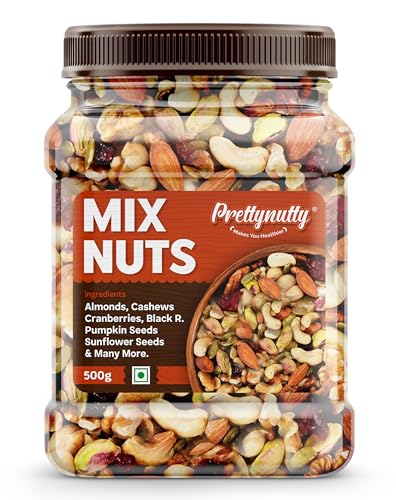
Nuts and seeds, including almonds, walnuts, chia seeds, and flaxseeds
Healthy fats from olive oil, avocados, and natural nut butters
Lean proteins such as skinless chicken, turkey, tofu, eggs, and low-fat Greek yogurt
Can diet help control diabetes naturally?
Yes. A balanced diet rich in fiber, lean protein, healthy fats, and low-glycemic carbohydrates can help maintain healthy blood sugar levels alongside medication and regular exercise.
Which fruits are safe for people with diabetes?
Low-glycemic fruits such as berries, apples, pears, oranges, and cherries are generally good choices when eaten in moderation.
What foods should people with diabetes avoid?
People with diabetes should limit sugary drinks, sweets, refined carbohydrates, white bread, pastries, processed snacks, and highly processed foods high in added sugar.
Are whole grains better than refined grains for diabetes?
Yes. Whole grains like oats, quinoa, brown rice, and barley contain more fiber, which slows glucose absorption and helps stabilize blood sugar levels.
How much protein should a person with diabetes eat?
Protein needs vary by age, weight, and activity level. Lean proteins such as chicken, fish, eggs, tofu, beans, and lentils are excellent choices for balanced meals.
Can healthy fats improve blood sugar control?
Healthy fats from avocados, olive oil, nuts, and seeds promote fullness, support heart health, and may help improve insulin sensitivity when consumed in moderation.
Is meal timing important for diabetes managemen
Yes. Eating regular, balanced meals and avoiding long gaps between meals can help prevent blood sugar spikes and crashes.
What drinks are best for people with diabetes?
Water is the best choice. Unsweetened tea, black coffee (without added sugar), and sparkling water are also good options.
Can lifestyle changes reduce the risk of diabetes complications?
Absolutely. Combining a healthy diet, regular physical activity, adequate sleep, stress management, and routine blood sugar monitoring can significantly reduce the risk of diabetes-related complications.