Table of Contents
Many people want to eat less sugar, but they worry that healthy food will taste bland or boring. The good news is that learning How to Cut Sugar doesn’t mean giving up the foods you love. With a few smart swaps and healthier habits, you can reduce added sugar while still enjoying delicious meals and snacks.
Too much added sugar has been linked to weight gain, type 2 diabetes, heart disease, tooth decay, and other health problems. Fortunately, small changes can make a big difference. Instead of eliminating sweetness altogether, focus on natural flavors that satisfy your taste buds and support better health.
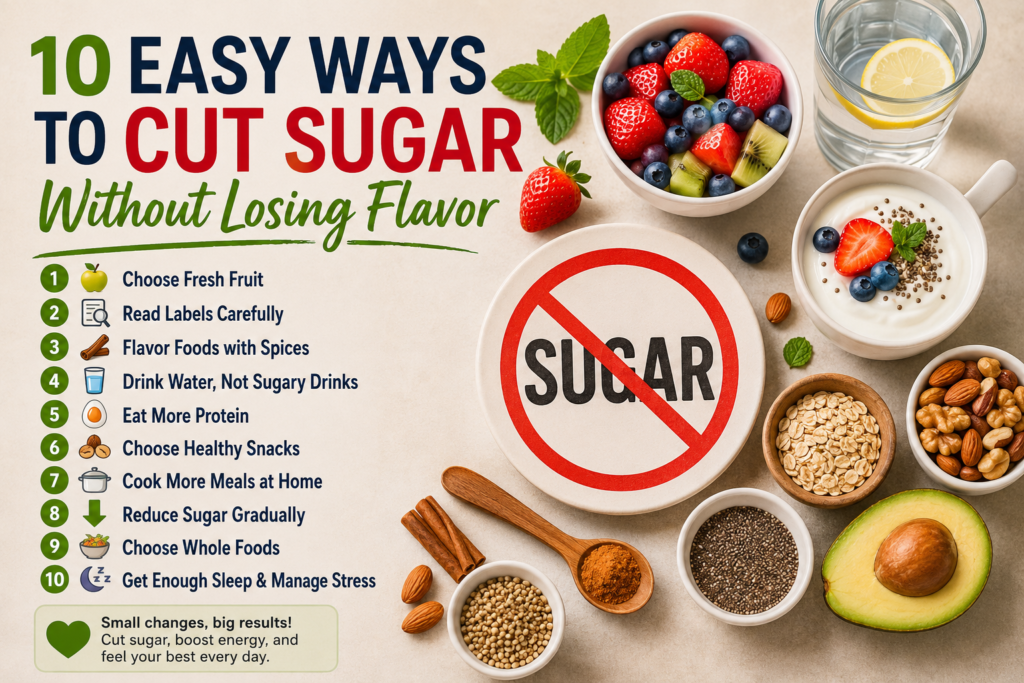
Here are 10 practical ways to cut sugar without sacrificing flavor.
1. Choose Fresh Fruit Instead of Sugary Desserts
Fresh fruit is naturally sweet and packed with vitamins, minerals, fiber, and antioxidants. Apples, berries, oranges, grapes, and mangoes can satisfy sweet cravings while providing nutrients that processed desserts lack.
Try serving fruit with Greek yogurt, cottage cheese, or a handful of nuts for a balanced snack.
2. Read Nutrition Labels Carefully
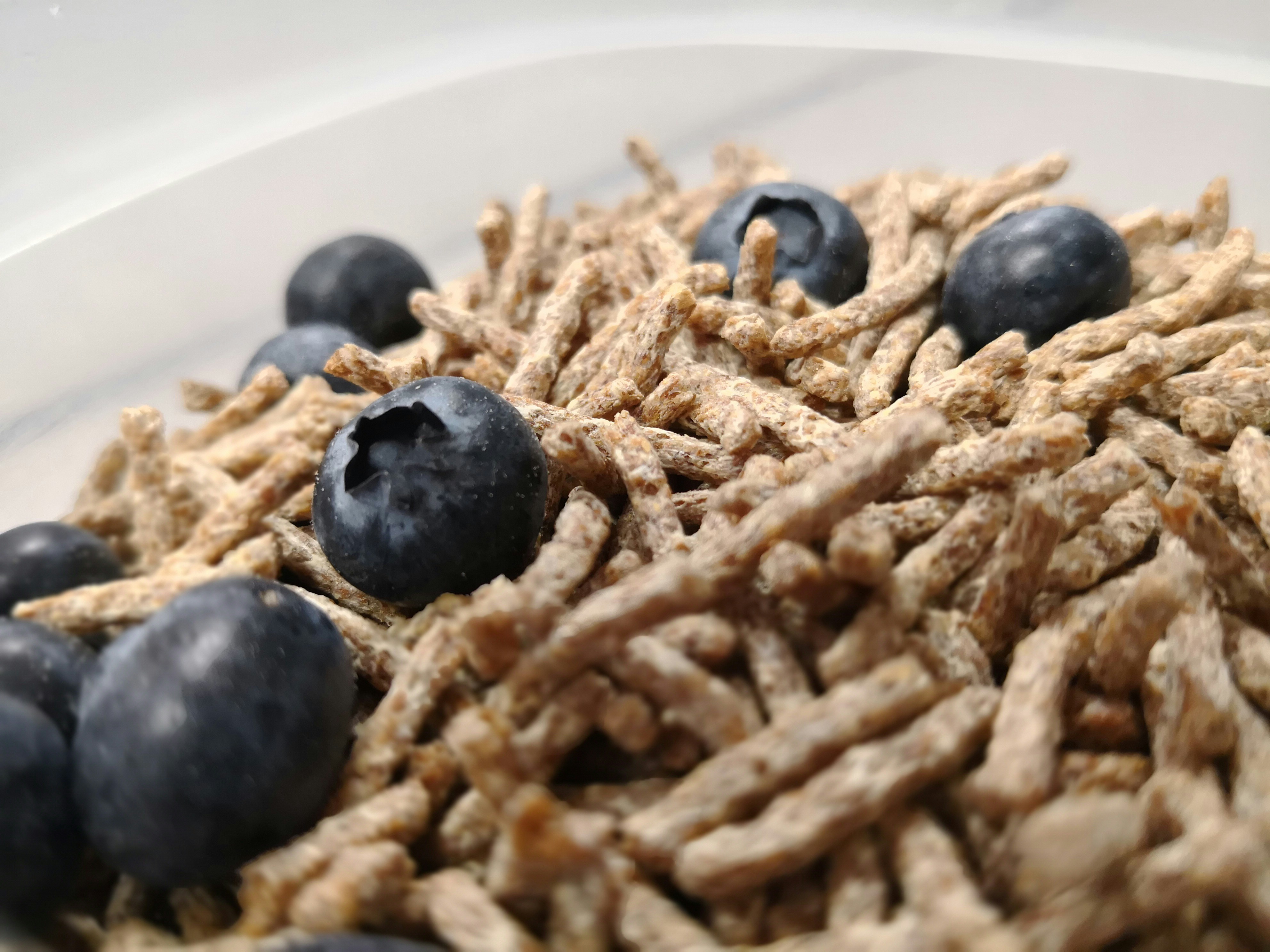
Many packaged foods contain hidden sugars—even products that don’t taste sweet. Breakfast cereals, pasta sauces, salad dressings, flavored yogurt, and granola bars often contain surprising amounts of added sugar.
Look for ingredients such as:
- High-fructose corn syrup
- Cane sugar
- Brown sugar
- Dextrose
- Maltose
- Sucrose
- Corn syrup
- Rice syrup
Choosing products with little or no added sugar is one of the easiest ways to reduce your daily intake.
3. Flavor Foods with Natural Spices
One of the best tricks for How to Cut Sugar is replacing sweetness with flavor.
Cinnamon, nutmeg, vanilla extract, ginger, and cardamom naturally enhance foods without adding sugar.
Add cinnamon to:
- Oatmeal
- Coffee
- Smoothies
- Yogurt
- Baked apples
4. Drink Water Instead of Sugary Beverages
Soft drinks, sweetened coffee, sports drinks, and fruit juices are among the largest sources of added sugar.
Instead, try:
- Plain water
- Sparkling water
- Lemon-infused water
- Herbal tea
- Unsweetened iced tea
These refreshing options keep you hydrated without unnecessary calories.
5. Eat More Protein at Every Meal
Protein helps control hunger and reduces cravings for sugary snacks.
Healthy protein sources include:
- Eggs
- Chicken
- Fish
- Greek yogurt
- Lentils
- Beans
- Tofu
- Cottage cheese
Balanced meals naturally reduce the desire for sweets later in the day.
6. Replace Sweet Snacks with Healthier Alternatives
Swap processed snacks for naturally satisfying options such as:
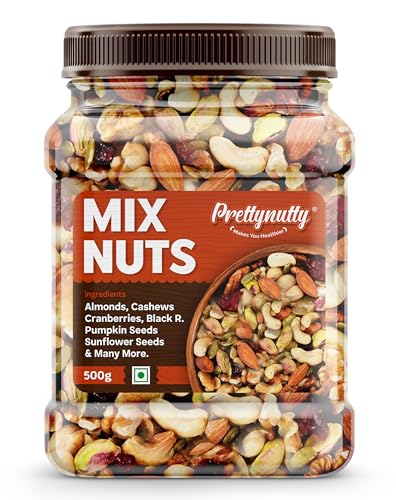
- Mixed nuts
- Apple slices with peanut butter
- Carrot sticks with hummus
- Greek yogurt with berries
- Homemade trail mix
These snacks provide longer-lasting energy and help stabilize blood sugar.
7. Cook More Meals at Home
Restaurant meals and processed foods often contain hidden sugars to improve taste.
Preparing meals at home gives you complete control over ingredients and allows you to reduce sugar while using herbs, spices, garlic, citrus juice, and fresh ingredients for flavor.
8. Reduce Sugar Gradually
You don’t have to quit sugar overnight.
If you normally add two teaspoons of sugar to coffee, reduce it to one and a half for a week, then one teaspoon, and continue gradually.
Your taste buds naturally adjust over time, making less-sweet foods enjoyable.
9. Choose Whole Foods More Often
Whole foods are naturally lower in added sugar and higher in nutrients.
Build your meals around:
- Vegetables
- Fruits
- Whole grains
- Legumes
- Lean proteins
- Healthy fats
The more whole foods you eat, the easier it becomes to avoid excess sugar.
10. Get Enough Sleep and Manage Stress
Poor sleep and chronic stress often increase sugar cravings.
Aim for:
- 7–9 hours of quality sleep
- Regular physical activity
- Meditation
- Deep breathing
- Walking outdoors
Healthy lifestyle habits make it easier to stick to lower-sugar eating patterns.
Benefits of Cutting Back on Sugar
Learning How to Cut Sugar offers many health benefits, including:
- Better blood sugar control
- Increased energy levels
- Improved heart health
- Healthier body weight
- Reduced risk of type 2 diabetes
- Better dental health
- Improved skin appearance
- Fewer energy crashes
- Better digestive health
- Lower inflammation
Even small reductions in added sugar can have a positive impact on your overall well-being.
Final Thoughts
Reducing sugar doesn’t mean giving up flavor or enjoyment. By making simple swaps, choosing whole foods, reading labels, and using natural ingredients to enhance taste, you can enjoy delicious meals while supporting your long-term health.
Remember, healthy eating is about progress—not perfection. Start with one or two changes today, and gradually build habits that make reducing sugar feel easy and sustainable.

Frequently Asked Questions (FAQ)
What is the easiest way to cut sugar?
Start by replacing sugary drinks with water or unsweetened beverages and choosing fresh fruit instead of sugary desserts.
Can I still eat fruit if I’m cutting sugar?
Yes. Fruit contains natural sugars along with fiber, vitamins, and antioxidants that make it a healthy choice for most people.
What foods contain hidden sugars?
Many packaged foods such as sauces, flavored yogurt, breakfast cereals, granola bars, bread, and salad dressings often contain added sugar.
How long does it take to stop craving sugar?
Many people notice fewer sugar cravings within two to four weeks after gradually reducing added sugar.
Is honey healthier than white sugar?
Honey contains small amounts of antioxidants and minerals, but it still raises blood sugar and should be consumed in moderation.
Does cutting sugar help with weight loss?
Reducing added sugar can lower calorie intake, decrease cravings, and support healthy weight management when combined with a balanced diet and regular exercise.
What drinks are best when reducing sugar?
Water, sparkling water, herbal tea, black coffee, and unsweetened green tea are excellent low-sugar beverage choices.
Can artificial sweeteners replace sugar?
Artificial sweeteners can reduce calorie intake, but whole foods and naturally reducing sweetness are generally better long-term habits.
How much added sugar should adults consume daily?
According to the American Heart Association, women should limit added sugar to about 25 grams (6 teaspoons) per day, while men should aim for no more than 36 grams (9 teaspoons) daily.
Is it okay to have an occasional sweet treat?
Yes. Enjoying treats occasionally as part of a balanced diet is perfectly fine. The goal is to reduce everyday added sugar, not eliminate all enjoyable foods.