Table of Contents
Introduction to Healthy Eating for Kids
Nutrition plays a vital role in the growth and development of children, providing essential nutrients that support their physical, cognitive, and emotional well-being. As children undergo significant changes during their formative years, a well-balanced diet is critical in ensuring they achieve optimal health and development milestones. A nutritious diet rich in vitamins, minerals, and macronutrients supports vital bodily functions, enabling children to grow strong and active.
The importance of healthy eating extends beyond mere physical health. Research has shown that a diet rich in whole foods—such as fruits, vegetables, whole grains, and lean proteins—can greatly enhance cognitive function and academic performance. Children who consume a variety of nutritious foods are more likely to perform well in school, have better concentration, and enjoy improved memory retention. Furthermore, healthy eating habits can positively influence emotional health, reducing the risk of anxiety and depression, thereby fostering a more balanced state of mind.
As primary influencers in their children’s lives, parents play a pivotal role in shaping dietary preferences and habits. By introducing children to a diverse array of flavors and textures from an early age, parents can help cultivate an appreciation for healthy foods. For example, involving children in meal preparation, exposing them to fresh ingredients, and encouraging them to try new foods can create positive associations with healthy eating. Additionally, modeling healthy eating behaviors can instill lifelong habits that promote wellness.
In conclusion, prioritizing healthy eating for kids is essential for their growth and development. Emphasizing the importance of nutrition not only enhances physical health but also boosts cognitive abilities and emotional stability. By taking an active role in their children’s dietary choices, parents can ensure they develop positive eating habits that extend well into adulthood.
Understanding Child Nutrition Basics
Child nutrition plays a critical role in growth, development, and the maintenance of energy levels in young individuals. The fundamental nutritional needs of children can be categorized into several essential nutrients: proteins, fats, carbohydrates, vitamins, and minerals, each serving a unique purpose in supporting health and development.
Proteins are paramount, as they are the building blocks of the body, crucial for growth, tissue repair, and the production of enzymes and hormones. It is recommended that children aged 1-3 years consume approximately 13 grams of protein daily, while those aged 4-8 years require about 19 grams per day. Healthy sources include lean meats, fish, dairy products, beans, and legumes.
Fats are another important component of a balanced diet, providing a concentrated source of energy as well as essential fatty acids necessary for brain development and absorption of fat-soluble vitamins A, D, E, and K. For optimal health, children should receive 30-40% of their daily calories from fats, focusing on healthy options such as avocados, nuts, and olive oil.
Carbohydrates are the primary energy source for children, supporting their active lifestyles. Whole grains, fruits, and vegetables are particularly beneficial due to their fiber content, which aids digestion. It is advisable that children receive about 45-65% of their daily caloric intake from carbohydrates.
Vitamins and minerals are also vital for various bodily functions, including immunity, bone health, and overall growth. For instance, vitamin D and calcium are essential for bone development, while iron is critical for cognitive function. Each age group has specific recommendations for these micronutrients, reinforcing the need for a diverse diet.
Finally, understanding age-appropriate portion sizes is critical for ensuring children meet their nutritional needs without overconsuming. Portion sizes can vary greatly depending on age and activity levels, and promoting a variety of foods encourages healthy eating habits that can last a lifetime. Adequate understanding of these nutritional basics will help caregivers provide balanced, nutritious meals that foster healthy growth and development in children.
Tasty Breakfast Ideas to Start the Day Right
Breakfast is a crucial meal for children, as it fuels their bodies and minds for the day ahead. Here are some nutritious and appealing breakfast options that parents can easily prepare for their kids, ensuring a delicious start to the day.
Smoothies are a fantastic way to incorporate fruits and vegetables into a child’s morning routine. A simple smoothie can be made by blending one banana, a handful of spinach, a cup of yogurt, and a cup of almond milk. This vibrant concoction packs essential vitamins and minerals while being delightful for young palates. Feel free to experiment with various fruits such as berries, mango, or apple to keep the smoothies exciting.
Oatmeal is another nutritious breakfast option that can be customized to suit children’s tastes. Start with rolled oats and cook them according to package instructions. Enhance the flavor by adding a drizzle of honey, a sprinkle of cinnamon, and toppings like sliced bananas, blueberries, or nuts. Whole grains and fiber from oatmeal provide lasting energy and promote digestive health, making it a staple breakfast choice.
Yogurt parfaits are not only visually appealing but also quick to assemble. Layer low-fat yogurt with granola and fresh fruits such as strawberries or peaches. This combination offers protein, probiotics, and essential nutrients, helping children stay full and concentrated throughout their morning activities.
Lastly, scrambled eggs with veggies can be a savory breakfast option that is both nutritious and satisfying. Whisk eggs with diced bell peppers, tomatoes, and spinach. Cook them in a non-stick pan until fluffy. Eggs are an excellent source of protein, and adding vegetables boosts the vitamin content, making this meal a well-rounded choice.
These breakfast ideas not only make getting out of bed more appealing to children but also ensure they receive a healthy start to their day. Incorporating fruits, whole grains, and nutrient-dense ingredients is key to encouraging healthy eating habits in growing children.
Healthy Lunches for School and Home
Creating nutritious and appealing lunches for children can be an enjoyable and creative process. By focusing on easy-to-make recipes that feature whole grains, lean proteins, and vibrant vegetables, you can ensure that your child’s lunch is both tasty and balanced. One effective strategy is to incorporate foods from different food groups, which can enhance not only the nutritional value but also the visual appeal of the meal.
One idea is to prepare whole grain wraps filled with turkey or chicken, accompanied by a variety of colorful vegetables such as spinach, bell peppers, and shredded carrots. These wraps are not only easy to assemble but also allow for personalized fillings, catering to your child’s taste preferences. To enhance flavor, consider adding a spread of hummus or yogurt-based dressing.
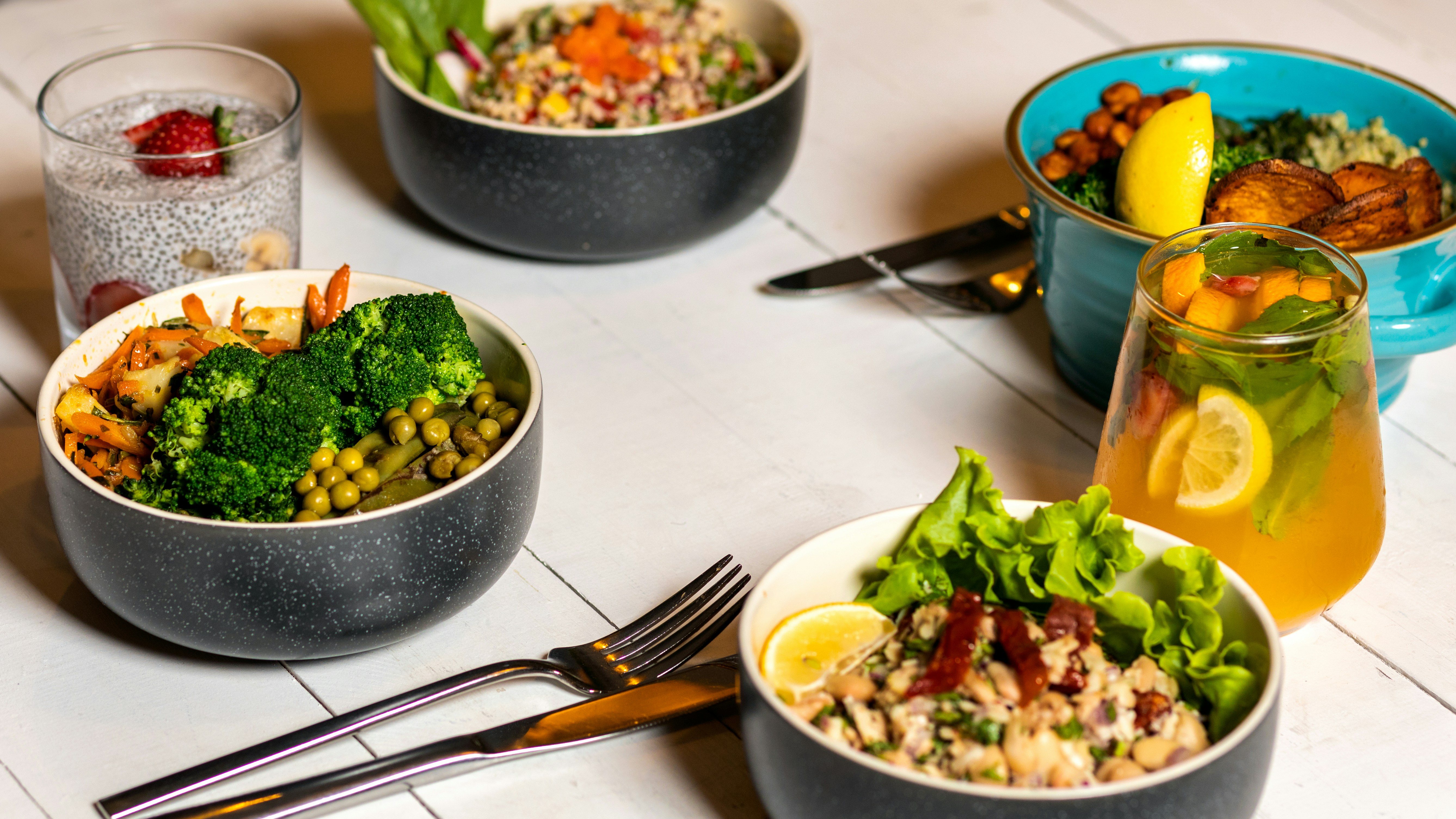
Another delightful option involves quinoa salad, mixed with diced cucumbers, cherry tomatoes, and black beans. This dish offers a great source of protein and fiber, making it filling and nutritious. Add a sprinkle of feta cheese and a squeeze of lemon juice for an additional layer of flavor that kids will enjoy.
For visually appealing lunch boxes, incorporate fruits in fun shapes or create skewers with bites of cheese, grapes, and whole grain crackers. Using colorful containers and dividers can stimulate interest and make lunchtime a more exciting experience. Buy fruits and vegetables in various colors to maximize the aesthetic appeal; mixed-color bell peppers, shredded carrots, and vibrant berries create a feast for the eyes that often encourages children to try new foods.
Incorporating variety and creativity into lunchtime allows children to enjoy healthier meals while exploring new flavors and textures. By focusing on whole grains, lean proteins, and plenty of vegetables, parents can help foster healthy eating habits that will benefit their children throughout their lives.
Nutritious Dinner Recipes the Whole Family Will Love
Creating nutritious dinner recipes that engage the whole family can be a rewarding experience, especially when you involve children in the preparation process. By using a variety of healthy ingredients, you not only ensure balanced meals but also introduce kids to the joy of cooking.
One fun way to make dinner engaging is by hosting themed dinner nights. For instance, consider a “Taco Night” where children can customize their own tacos with lean proteins, a medley of colorful vegetables, and healthy toppings such as avocados or yogurt. This activity not only empowers kids to make choices about their food but also expands their palate and encourages the consumption of fresh produce, which is essential for their growth.
Another idea is to incorporate interactive cooking sessions where family members work together on a dish. A simple recipe such as whole grain pizza can be prepared with various toppings like grilled chicken, bell peppers, and spinach. Letting kids create their own pizzas promotes creativity and can lead to the willingness to try new ingredients while keeping dinner time a fun and lighthearted occasion.
For a cozy family dinner, consider a hearty vegetable stew loaded with beans, carrots, and potatoes. This dish can easily be made in a slow cooker, allowing it to simmer throughout the day, filling the home with appetizing aromas. Involve children by letting them help chop vegetables (age-appropriate tasks) or by arranging the ingredients in the pot, turning it into a family bonding activity.
These nutritious dinner recipes can foster healthy eating habits while ensuring that mealtime is an enjoyable experience for everyone. Engaging with children during the cooking process brings excitement and makes them more likely to eat the nutritious meals prepared together.
Smart Snacking for Kids: Healthy Options
Snacking can be an integral part of a child’s daily nutrition, providing necessary energy between meals. However, it is crucial to choose nutrient-dense snacks that fulfill dietary needs while also appealing to young taste buds. By opting for healthy snack alternatives, parents can ensure their children remain fueled and ready for the day’s activities.
One popular option is fruit kabobs, which not only serve as a visual delight but also pack vitamins and minerals. Mixing an assortment of colorful fruits, such as strawberries, blueberries, and pineapple, helps in making snacking enjoyable. Engaging kids in the creation of their own fruit kabobs can add a fun element to healthy eating, fostering creativity while promoting nutrition.
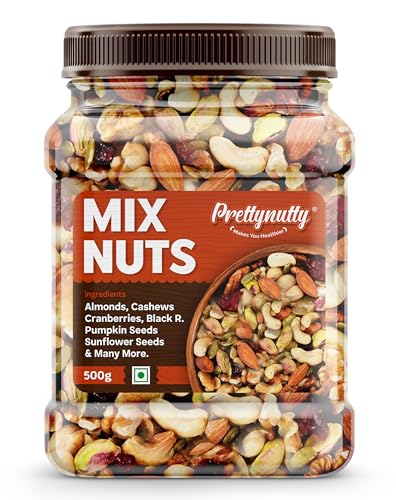
Another excellent choice is homemade trail mix. This snack can be tailored to suit individual preferences and dietary restrictions. Combining nuts, seeds, dried fruits, and a small portion of dark chocolate can provide a balanced mix of protein, healthy fats, and antioxidants. It is advisable to prepare portions in advance to prevent excessive consumption, ensuring that snacking remains both nutritious and mindful.
Vegetables paired with hummus is also a fantastic option for a healthy snack. The combination offers essential nutrients such as fiber and protein. Selecting a variety of colorful vegetables like carrots, bell peppers, and cucumbers not only contributes to a diverse nutrient profile but also makes eating vegetables more appealing for children. By providing interesting dips like hummus, kids may be more inclined to consume these otherwise less popular snacks.
Balancing indulgence with nutrition is vital. While occasional treats are part of a well-rounded diet, introducing a variety of healthy snacks helps in establishing lifelong healthy eating habits. Emphasizing the importance of nutritious snacking ensures children have the energy and concentration needed for play and learning.
Dealing with Picky Eaters: Tips and Strategies
Many parents face the challenge of raising picky eaters, which can make mealtime stressful and confusing. Understanding that children’s preferences evolve over time is crucial in addressing picky eating habits. With some strategies, parents can help introduce new and nutritious foods to their children while minimizing conflict during meals.
One effective approach to encourage children to try new foods is by introducing them gradually. Rather than overwhelming a child with a variety of unfamiliar foods at once, start by introducing one new item per meal alongside familiar favorites. This strategy can help diminish anxiety around new foods and allow the child to explore them at their own pace. Additionally, involving children in meal preparation can greatly increase their interest in trying new foods. Allowing them to assist in simple kitchen tasks, such as washing vegetables or measuring ingredients, may foster enthusiasm for trying what they helped create.
Another important aspect is to make healthy foods visually appealing. Creative presentation can pique a child’s curiosity and make them more inclined to taste new items. For instance, arranging fruits and vegetables into fun shapes or colorful designs on the plate can create excitement around mealtime. Offering dips such as hummus, yogurt, or salsa can also encourage children to experiment with different flavors and textures.
Patience and persistence play a vital role in developing a child’s palate. It is common for children to need multiple exposures to a new food before accepting it. Therefore, remain patient and avoid pressuring them to eat anything they are not ready for. Consistently offering a variety of healthy options will show children that trying new foods is part of a positive eating experience. Remember, the goal is to create a healthy relationship with food, fostering an environment where children feel comfortable exploring and enjoying different meals.
Incorporating Seasonal and Local Foods
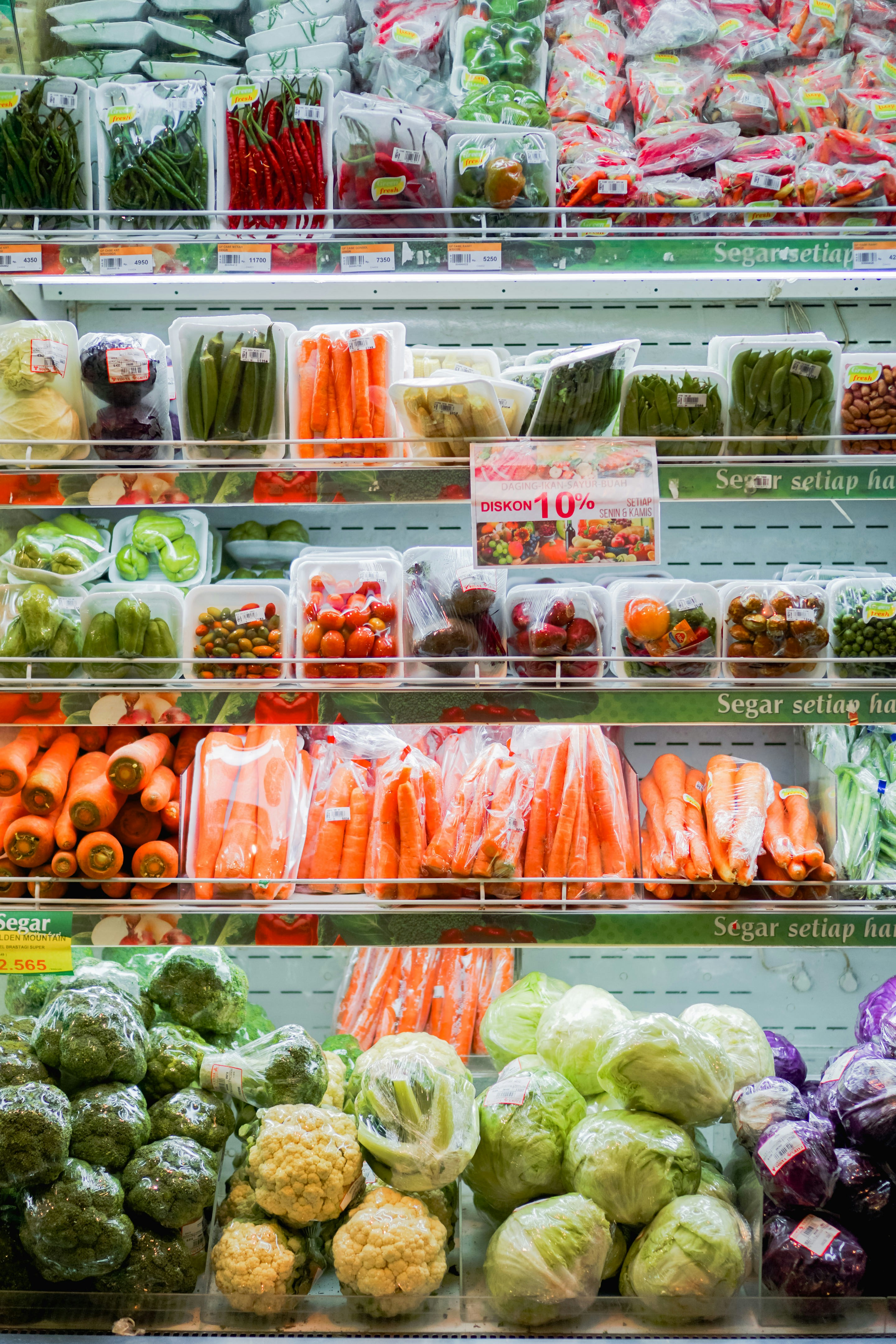
Utilizing seasonal and local foods not only contributes to a child’s health but also promotes environmental sustainability. When parents opt for fresh ingredients that are in season, they can ensure that meals are packed with flavor, nutrients, and freshness. Seasonal produce tends to offer a higher nutrient profile because it is harvested at its peak, making it more beneficial for growing children.
Local foods also reduce the carbon footprint associated with transportation, allowing families to support local farmers and communities. By choosing to shop at farmer’s markets or local grocery stores, parents can instill the value of community support in their children while introducing them to healthier food options. In addition, children often enjoy these fresh ingredients more than processed foods, leading to better eating habits.
Engaging children in the process of selecting, preparing, and cooking seasonal foods can be a delightful learning experience. Parents can take their children to local markets, allowing them to see where their food comes from and fostering an appreciation for the environment. This hands-on approach not only teaches children about nutritious eating but empowers them to make informed choices about their diets.
In the kitchen, children can participate in washing, peeling, or stirring seasonal vegetables, making them feel included in the meal preparation process. This involvement can enhance their willingness to try new foods, including fresh fruits and vegetables they may be hesitant to taste otherwise. Collaborative cooking experiences can also serve to strengthen family bonds, making mealtime an enjoyable occasion.
In conclusion, incorporating seasonal and local foods into meals is profoundly beneficial for children’s health and encourages sustainable practices. By engaging children in these processes, parents can cultivate a love for nutritious foods while nurturing their environmental consciousness.
Conclusion and Encouragement to Explore Healthy Eating
As we have explored throughout this blog, there is an abundance of tasty and nutritious meal ideas that can excite children about healthy eating. Implementing these meal suggestions not only supports their growth and development but also contributes to their overall well-being. It is essential to frame healthy eating as a fun and delightful experience rather than a restrictive routine. Parents play a crucial role in shaping their children’s eating habits, and one of the best ways to do this is by creating a positive environment around food.
Encouraging children to participate in the meal preparation process can make healthy eating even more engaging. Let them choose their favorite fruits and vegetables at the grocery store, and involve them in cooking. This hands-on approach fosters a sense of ownership over their food choices and can pique their curiosity about various flavors. Exploring international cuisines can also be an exciting adventure, introducing kids to a plethora of tastes that can help them appreciate the diversity of healthy foods.
Moreover, it is vital to cultivate a supportive atmosphere where children feel comfortable trying new dishes without pressure. Celebrate their efforts, no matter how small, to inspire confidence and build an adventurous palate. Parents should set an example by demonstrating enthusiasm towards nutritious meals. By integrating different ingredients, spices, and cooking methods, the kitchen can become a space for creativity and experimentation.
Ultimately, the journey towards healthy eating is about balance and enjoyment. While it is important to provide nutritious options, allow for the occasional treat as well. This balanced approach, combined with encouragement to try new things, will help children develop a lifelong appreciation for healthy food choices, setting them on a path to wellness as they grow.
Frequently Asked Questions (FAQ)
1. What are the healthiest foods for kids?
Healthy foods for kids include fresh fruits, vegetables, whole grains, lean proteins, dairy products, eggs, beans, nuts (if age-appropriate), seeds, and healthy fats such as avocado.
2. How can I encourage my child to eat healthy food?
Offer colorful meals, involve children in meal preparation, introduce one new food at a time, keep healthy snacks available, and be a positive role model by eating nutritious foods yourself.
3. What are good healthy snacks for children?
Healthy snacks include:
- Apple slices with peanut butter
- Yogurt with berries
- Cheese cubes
- Mixed fruit salad
- Homemade popcorn
- Boiled eggs
- Vegetable sticks with hummus
- Whole-grain crackers
4. How many meals should children eat each day?
Most children benefit from three balanced meals and two healthy snacks daily, depending on their age, activity level, and nutritional needs.
5. Are homemade meals healthier than fast food?
Generally, yes. Homemade meals allow you to control ingredients, reduce added sugar and salt, and include more fresh vegetables, fruits, and whole grains.
6. What drinks are healthiest for children?
Water is the best everyday drink. Plain milk can also provide important nutrients. Limit sugary drinks, sodas, and excessive fruit juice.
7. Why is breakfast important for kids?
A nutritious breakfast provides energy, improves concentration at school, supports healthy growth, and helps children stay active throughout the day.
8. What nutrients are most important for growing children?
Children need protein, calcium, iron, vitamin D, healthy fats, fiber, and a variety of vitamins and minerals from fruits, vegetables, whole grains, dairy, and lean protein sources.