
Table of Contents
Introduction to Anti-Cancer Foods
Anti-cancer foods are specially identified foods that are believed to reduce the risk of cancer or inhibit the growth of cancer cells. These foods often contain powerful antioxidants, vitamins, and minerals that contribute to robust health and potentially prevent the onset of cancerous conditions. While the term ‘anti-cancer’ encompasses a wide variety of food items, researchers have found certain groups of foods particularly beneficial in mitigating cancer risk.
The importance of anti-cancer foods in fostering health and wellness cannot be understated. A diet rich in these foods promotes a strong immune system, which is crucial in defending against not only cancer but also other chronic diseases. Moreover, these foods often assist in maintaining a healthy weight, an important factor in cancer prevention as obesity is linked to numerous cancers. Integrating such foods into one’s daily dietary habits can enhance overall health and vitality.
In recent years, the concept of superfoods has gained traction, referring to nutrient-dense foods that provide health benefits beyond basic nutrition. Many superfoods also fall into the category of anti-cancer foods, offering an array of bioactive compounds to support cell function and repair. While superfoods have occasionally been marketed as premium items, there is a wealth of affordable options available that deliver significant health benefits without straining one’s budget.
This exploration aims to highlight some affordable superfoods that possess anti-cancer properties, emphasizing that healthy eating does not have to be expensive. By understanding the role of various foods in disease prevention, individuals can make informed dietary choices that support their health and well-being.
The Science Behind Anti-Cancer Foods
The relationship between diet and cancer risk has been a subject of rigorous research for decades. Numerous scientific studies have shown that certain foods possess anti-cancer properties, attributed to their unique nutrient compositions, antioxidants, and phytochemicals. These compounds can play a significant role in preventing various types of cancers and promoting overall health.
One key finding from a meta-analysis published in the journal “Cancer Epidemiology, Biomarkers & Prevention” highlighted that a diet rich in fruits and vegetables is associated with a decreased risk of several cancers, including lung, stomach, and colorectal cancers. This relationship is largely due to the high levels of vitamins, minerals, and fiber found in these foods, which contribute to improved immune function and cellular repair.
Another notable study demonstrated the protective effects of diets high in cruciferous vegetables, such as broccoli, kale, and Brussels sprouts. The compound sulforaphane, found in these vegetables, has been shown to inhibit the growth of cancer cells by promoting the detoxification of carcinogens and reducing inflammation. In laboratory settings, sulforaphane has effectively slowed cancer progression in various models, thus underscoring the importance of including these vegetables in the diet.
Furthermore, research has pointed to the benefits of incorporating legumes and whole grains into meals. A study published in “Nutrition and Cancer” revealed that individuals who consumed higher amounts of these foods had a 25% lower risk of developing colorectal cancer. This effect is partially attributed to the fiber content, which aids in digestion and helps regulate insulin levels, potentially impacting cancer development.
In conclusion, the evidence supporting anti-cancer foods is compelling, with numerous studies indicating that specific nutrients and compounds can significantly reduce cancer risk. By understanding the science behind these foods and their constituents, individuals may make informed dietary choices that contribute to a proactive cancer prevention strategy.
Top Affordable Superfoods for Cancer Prevention
In the pursuit of a healthy diet that aids in cancer prevention, incorporating affordable superfoods can be highly effective. These nutrient-dense foods are accessible and often economical, making them an excellent choice for individuals looking to enhance their dietary habits without breaking the bank. Below are some of the best cheap superfoods that offer significant benefits against cancer.
Lentils are not only rich in protein, but they are also loaded with fiber and essential nutrients. Their high folate content may help reduce the risk of certain cancers, such as breast cancer. Lentils are versatile and can be easily added to soups, salads, or served as a side dish, making them an easy addition to any meal.
Sweet potatoes are another superfood that provides numerous health benefits. Packed with beta-carotene, which acts as an antioxidant, sweet potatoes may help protect the body against cell damage. They can be baked, mashed, or incorporated into stews, offering a delicious, nutrient-rich option that is both affordable and satisfying.
Cruciferous vegetables like broccoli and kale are well-known for their cancer-fighting properties. They contain compounds called glucosinolates that help detoxify the body and may inhibit the growth of cancer cells. Incorporating these vegetables into stir-fries or salads not only promotes better health but also adds vibrant flavors to meals.
Garlic, a staple in many kitchens, is renowned for its health benefits. Its active compounds, such as allicin, have been shown to boost the immune system and exhibit anti-cancer effects. Adding garlic to dressings, marinades, or roasted dishes enhances flavor while providing crucial cancer-fighting properties.
Brown rice is a whole grain that offers more nutrients than its white counterpart, including fiber, vitamins, and minerals. Its low glycemic index may help maintain stable blood sugar levels, which is important for cancer prevention. Brown rice can serve as a base for many meals, making it a practical addition that promotes overall well-being.
By incorporating these affordable superfoods into your daily diet, you can work towards enhancing your nutritional intake while actively supporting cancer prevention.
Fruits That Fight Cancer: A Closer Look
Cancer prevention has gained significant attention, with numerous studies highlighting the role of fruits in combating this disease. Certain fruits are particularly rich in vitamins, antioxidants, and phytochemicals, which contribute to their cancer-fighting properties. This section emphasizes the importance of incorporating these superfoods into our diets for enhanced health benefits.
One standout fruit in the fight against cancer is the blueberry. Blueberries are packed with antioxidants, particularly anthocyanins, which have been shown to inhibit tumor growth and reduce inflammation. Research published in the Journal of Nutritional Biochemistry suggests that regular consumption of blueberries may lower the risk of certain types of cancer, including breast and colon cancer.
Another impressive contender is the pomegranate, which contains punicalagins and other polyphenols that exhibit potent anti-cancer properties. Studies indicate that pomegranate extracts can slow down the proliferation of cancer cells and promote apoptosis, or programmed cell death, in certain cancer lines, as highlighted in the Cancer Letters journal.
Citrus fruits, such as oranges and grapefruits, are also noteworthy due to their high vitamin C content and a plethora of flavonoids that have been demonstrated to have protective effects against cancer. Research indicates that individuals who consume more citrus fruits may experience a reduced risk of developing esophageal and stomach cancers, as reported in a systematic review published in the International Journal of Cancer.
Lastly, the humble apple should not be overlooked. Rich in quercetin and other polyphenols, apples have shown promise in reducing the risk of lung cancer and colorectal cancer. A meta-analysis in the European Journal of Nutrition concluded that higher apple consumption is associated with a lower risk of various cancers, thanks to their antioxidant capacity and fiber content.
Vegetables: The Powerhouse Against Cancer
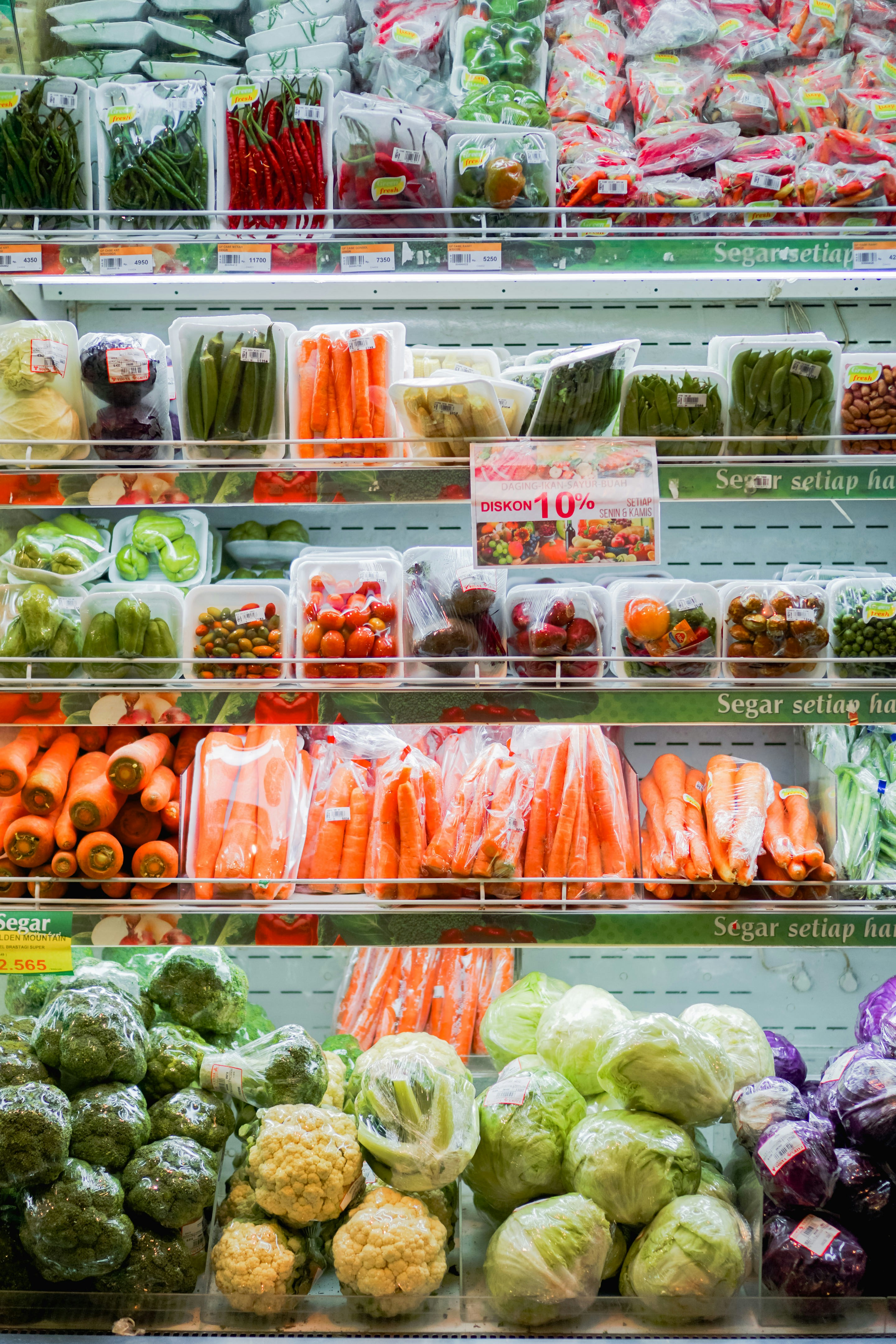
Vegetables are often regarded as a staple of a healthy diet, but their significance extends far beyond basic nutrition; they play a crucial role in cancer prevention. Certain vegetables possess unique phytochemicals and nutrients that have been shown to inhibit cancer cell growth and promote overall health. For instance, cruciferous vegetables such as broccoli, cauliflower, and Brussels sprouts contain glucosinolates, which, upon breakdown, form biologically active compounds. These compounds have been demonstrated to enhance detoxification processes in the liver and reduce inflammation, both of which are vital in combating cancer risks.
Another prominent group of anti-cancer vegetables includes the allium family, such as garlic and onions. These vegetables are rich in sulfur-containing compounds that have been shown to boost the body’s immune response and inhibit tumor growth. Studies suggest that individuals who regularly consume allium vegetables may experience a significantly reduced risk of developing various types of cancer, particularly stomach and colorectal cancer.
Leafy greens such as spinach and kale also contribute to cancer prevention. Their high levels of vitamins A, C, and E, along with various antioxidants, help neutralize free radicals that can cause cellular damage and may lead to cancer development. Moreover, research indicates that diets rich in these vegetables correlate with lower incidences of several cancers, reinforcing their importance in a balanced diet.
Valuable nutritional components found in vegetables, including fiber, have also shown protective effects against cancer by promoting healthy digestion and preventing colon cancer. In addition, certain studies have highlighted the protective roles of high-fiber diets suggesting that a fiber-rich intake from vegetables helps regulate hormones and reduce overall cancer risk.
In conclusion, incorporating a variety of vegetables into one’s diet is not merely a healthy choice; it is an essential strategy for cancer prevention. The complex interplay of nutrients, fiber, and phytochemicals in vegetables not only nourishes the body but also empowers it to defend against cancer development. As research continues to emerge, the potency of these vegetables as cancer-fighting foods will only become clearer, emphasizing their place within any health-conscious regimen.
Whole Grains: The Unsung Heroes
Whole grains are pivotal components of a cancer-fighting diet, offering a plethora of health benefits. They are defined as grains that contain all parts of the grain kernel, including the bran, germ, and endosperm. This composition ensures that whole grains retain their essential nutrients, including vitamins, minerals, and dietary fiber, distinguishing them from their refined counterparts.
The fiber content in whole grains plays a significant role in promoting digestive health. Fiber aids in regular bowel movements, reduces the risk of colorectal cancer, and helps maintain a healthy weight by promoting satiety. For instance, oatmeal, brown rice, quinoa, and barley are excellent sources of fiber that can lower cholesterol levels and regulate blood sugar. This regulation is crucial, as high blood sugar levels have been associated with an increased risk of cancer.
Whole grains also provide a variety of phytonutrients and antioxidants that may help combat cancer. These compounds are known for their anti-inflammatory properties and potential to reduce the risk of chronic diseases, including various forms of cancer. For example, the lignans found in whole grains like wheat and rye have shown promising results in reducing the incidence of hormone-related cancers.
Incorporating whole grains into your diet can be a simple yet effective way to improve overall health. Whether it be a bowl of whole grain cereal for breakfast, a hearty side of quinoa with lunch, or whole wheat pasta at dinner, there are innumerable ways to enjoy these dietary staples. The affordability of many whole grains makes them an accessible option for individuals seeking to enhance their diet without breaking the bank.
In conclusion, whole grains are indeed the unsung heroes in our pursuit of better health and cancer prevention. By integrating them into our daily meals, we not only reap their nutritional benefits but also fortify our bodies in the fight against cancer.
Legumes: Small but Mighty Anti-Cancer Foods
Legumes, which include beans, lentils, and peas, are often regarded as nutritional powerhouses, offering various health benefits that may aid in cancer prevention. These small but mighty foods are rich in protein, fiber, vitamins, and minerals, making them an excellent choice for anyone looking to enhance their diet for better health. Not only do legumes provide essential nutrients, but they also play a significant role in digestive health, promoting a balanced gut environment.
The high fiber content in legumes is particularly noteworthy. Fiber aids in digestion by facilitating regular bowel movements and providing a substrate for beneficial gut bacteria. This can lead to improved gut health, potentially reducing the risk of colorectal cancer. In addition to fiber, legumes contain antioxidants, which combat oxidative stress, a contributor to cancer development. These antioxidants include phenolic compounds and flavonoids, which have been linked to reduced inflammation and improved overall cellular health.
Research supports the inclusion of legumes in a cancer-preventive diet. Studies have shown that those who consume legumes regularly may have a lower risk of various types of cancer, including breast and prostate cancer. For instance, a meta-analysis indicated that higher legume consumption is associated with a decreased risk of colorectal cancer, highlighting their protective benefits.
Moreover, legumes are an affordable source of nutrition, making them accessible to a broad population. Incorporating legumes into daily meals can be as simple as adding them to salads, soups, or stir-fries. Their versatility in flavors and textures allows individuals to enjoy them in a variety of culinary applications, making the journey to healthier eating enjoyable and sustainable.
Incorporating Anti-Cancer Foods into Daily Meals
Integrating anti-cancer foods into your daily meals can be both easy and cost-effective. One of the most straightforward methods is to create a weekly meal plan centered around these nutrient-rich superfoods. Begin by identifying several key anti-cancer foods, such as leafy greens, berries, garlic, tomatoes, nuts, and whole grains, which are available at reasonable prices.
A versatile breakfast option that incorporates anti-cancer ingredients could be a smoothie made with spinach, blueberries, and a banana. Adding a tablespoon of flaxseeds can enhance the health benefits while keeping costs low. For lunch, consider a quinoa salad topped with chickpeas, cherry tomatoes, and a light vinaigrette. This meal provides a great source of protein and essential vitamins.
During dinner, utilizing cruciferous vegetables like broccoli or Brussels sprouts roasted with garlic can be both flavorful and healthy. Pair this with grilled chicken or fish and a side of brown rice for a well-rounded meal. Moreover, snacks can also be a source of these superfoods; try munching on a handful of walnuts or an apple with almond butter.
Incorporating herbs and spices like turmeric and ginger can also elevate the health benefits of your meals. These anti-inflammatory spices can be easily added to soups, stews, or rice dishes. Experimenting with different recipes that highlight these ingredients will not only keep your meals exciting but also ensure you are reaping the benefits of the anti-cancer properties they offer.
For those on a budget, consider purchasing frozen fruits and vegetables, which often retain their nutritional content and are less expensive than fresh options at times. Bulk buying grains and seeds, as well as exploring local farmer’s markets for in-season produce, can also help lower costs while ensuring you maintain a diet rich in anti-cancer foods.
Conclusion: Embracing a Healthier Lifestyle with Anti-Cancer Foods
In our exploration of affordable superfoods, we have uncovered various options that not only fit within a budget but also contribute positively to overall health. The foods discussed, such as beans, leafy greens, cruciferous vegetables, and berries, are rich in essential nutrients and compounds recognized for their potential anti-cancer properties. Incorporating these foods into your daily diet can significantly enhance your nutritional intake and support a pathway toward cancer prevention.
It is crucial to understand that while no single food can guarantee cancer prevention, a consistent diet rich in these anti-cancer foods can play an essential role. The synergistic effects of antioxidants, vitamins, and minerals present in these superfoods contribute to improving the body’s defenses and potentially lowering cancer risks. Moreover, these foods are not only beneficial for health but also accessible for individuals seeking affordable options without sacrificing quality.
Embracing a lifestyle that emphasizes such nutrient-dense foods can lead to lasting health benefits. By making conscious dietary choices and prioritizing the intake of affordable superfoods, individuals can take proactive steps towards enhancing their wellbeing. Achieving a balanced diet that includes a variety of these foods is a practical and rewarding approach to long-term health. Ultimately, the integration of anti-cancer foods in one’s diet fosters a supportive environment for maintaining health, thus underpinning a holistic strategy for cancer prevention.
Frequently Asked Questions (FAQ)
1. What are anti-cancer foods?
Anti-cancer foods are nutrient-rich foods that contain compounds such as antioxidants, fiber, vitamins, minerals, and phytochemicals. Research suggests they may help support overall health and may contribute to lowering the risk of certain cancers as part of a healthy lifestyle. No single food can prevent or cure cancer.
2. What are some affordable cheap superfoods?
Affordable cheap superfoods include:
- Oats
- Beans
- Lentils
- Broccoli
- Cabbage
- Carrots
- Sweet potatoes
- Garlic
- Onions
- Spinach
- Brown rice
- Apples
- Bananas
These foods are nutritious and budget-friendly.
3. Which foods are rich in antioxidants?
Foods naturally high in antioxidants include berries, tomatoes, leafy greens, green tea, turmeric, garlic, walnuts, dark chocolate (in moderation), and colorful fruits and vegetables.
4. Can diet prevent cancer?
No diet can guarantee cancer prevention. However, research indicates that maintaining a healthy weight, eating a balanced diet rich in plant foods, limiting processed meats and alcohol, avoiding tobacco, and staying physically active may help reduce the risk of several types of cancer.
5. Is broccoli considered an anti-cancer food?
Broccoli and other cruciferous vegetables contain natural compounds such as glucosinolates. Studies continue to investigate their potential role in supporting healthy cells, but more research is needed to determine their direct effects on cancer prevention.
6. Are processed foods linked to cancer risk?
Frequently eating large amounts of highly processed foods, processed meats, and sugary beverages may contribute to poorer overall health. Health organizations recommend limiting processed meats and emphasizing whole, minimally processed foods.
7. How often should I eat fruits and vegetables?
Most dietary guidelines recommend eating a variety of fruits and vegetables every day. Aim for at least five servings daily, choosing different colors to obtain a broad range of nutrients.
8. What lifestyle habits work best alongside a healthy diet?
A healthy lifestyle includes:
- Regular physical activity
- Maintaining a healthy body weight
- Eating plenty of plant foods
- Avoiding tobacco
- Limiting alcohol
- Sleeping 7–9 hours
- Managing stress
- Following recommended medical screenings