Table of Contents
Introduction
How to Read Food Labels is one of the most valuable skills you can learn for improving your health. Every trip to the grocery store presents countless choices, and attractive packaging often promises products that are “healthy,” “natural,” or “low fat.” However, these marketing claims don’t always tell the full story.
Learning How to Read Food Labels allows you to look beyond the front of the package and understand what’s really inside. By paying attention to serving sizes, calories, nutrients, ingredients, and daily values, you can make smarter food choices that support your health goals.
Whether you’re trying to lose weight, manage diabetes, improve heart health, or simply eat more nutritious meals, understanding food labels can help you avoid hidden sugars, unhealthy fats, and excessive sodium while choosing foods rich in vitamins, minerals, fiber, and protein.
This comprehensive guide explains everything you need to know about reading nutrition labels confidently and making informed decisions every time you shop.
Why Food Labels Matter
Food labels provide important information about what’s inside packaged foods. They help consumers compare products, understand nutrient content, and make healthier purchasing decisions.
Benefits of reading food labels include:
- Better portion control
- Healthier grocery shopping
- Reduced sugar intake
- Lower sodium consumption
- Improved weight management
- Better heart health
- Smarter meal planning
- Increased awareness of ingredients
Instead of relying on marketing claims, food labels give you factual nutritional information.
How to Read Food Labels Step by Step
Understanding How to Read Food Labels becomes much easier when you know the order to follow.
Start with these five sections:
- Serving Size
- Calories
- Nutrients
- % Daily Value
- Ingredients List
Let’s examine each one in detail.
1. Check the Serving Size First
The serving size is the foundation of the entire nutrition label.
Every number listed—including calories, fat, sugar, and protein—is based on this amount.
For example:
Serving Size:
1 cup
Calories:
180
If you eat two cups, you’re consuming:
- 360 calories
- Double the sugar
- Double the fat
- Double the sodium
Many people unknowingly consume two or three servings at once.
Always compare the serving size with how much you actually eat.
2. Look at the Calories
Calories represent the amount of energy one serving provides.
General guidelines:
- 100 calories = relatively low
- 200 calories = moderate
- 400+ calories = high (depending on the food)
Calories aren’t the only factor, but understanding them helps maintain energy balance.
A nutritious food may contain more calories while providing fiber, protein, and healthy fats.
Focus on nutrient density rather than calories alone.
3. Understand Macronutrients
Macronutrients provide energy and support body functions.
Protein
Protein helps:
- Build muscle
- Repair tissues
- Keep you full longer
- Support immunity
Look for foods with:
10–20 grams of protein per serving whenever appropriate.
Carbohydrates
Carbohydrates include:
- Fiber
- Natural sugars
- Added sugars
- Starches
Choose foods rich in:
- Whole grains
- Oats
- Brown rice
- Beans
Limit foods with excessive added sugars.
Healthy Fats
Not all fats are unhealthy.
Choose products containing:
- Monounsaturated fats
- Polyunsaturated fats
- Omega-3 fats
Limit:
- Trans fats
- Excess saturated fat
4. Pay Attention to Fiber
Fiber is one of the most important nutrients for long-term health.
Benefits include:
- Better digestion
- Heart health
- Blood sugar control
- Weight management
- Increased fullness
Aim for foods containing:
3–5 grams or more per serving.
Excellent fiber sources include:
- Whole grains
- Beans
- Lentils
- Fruits
- Vegetables
5. Watch Out for Added Sugars
One of the biggest reasons to learn How to Read Food Labels is to identify hidden sugars.
Common names include:
- Cane sugar
- Corn syrup
- High-fructose corn syrup
- Dextrose
- Maltose
- Brown rice syrup
- Honey
- Agave nectar
Even foods labeled “healthy” may contain surprising amounts of sugar.
Compare products whenever possible.
6. Check Sodium Levels
Too much sodium may contribute to:
- High blood pressure
- Heart disease
- Kidney problems
General guideline:
Choose products containing less than 140 mg sodium per serving whenever possible.
Limit heavily processed foods that often contain excessive sodium.
7. Understand % Daily Value (%DV)
The % Daily Value tells you whether a nutrient is low or high.
Simple rule:
5% DV or less = Low
20% DV or more = High
Aim for higher values of:
- Fiber
- Calcium
- Iron
- Potassium
- Vitamin D
Choose lower values for:
- Saturated fat
- Sodium
- Added sugars
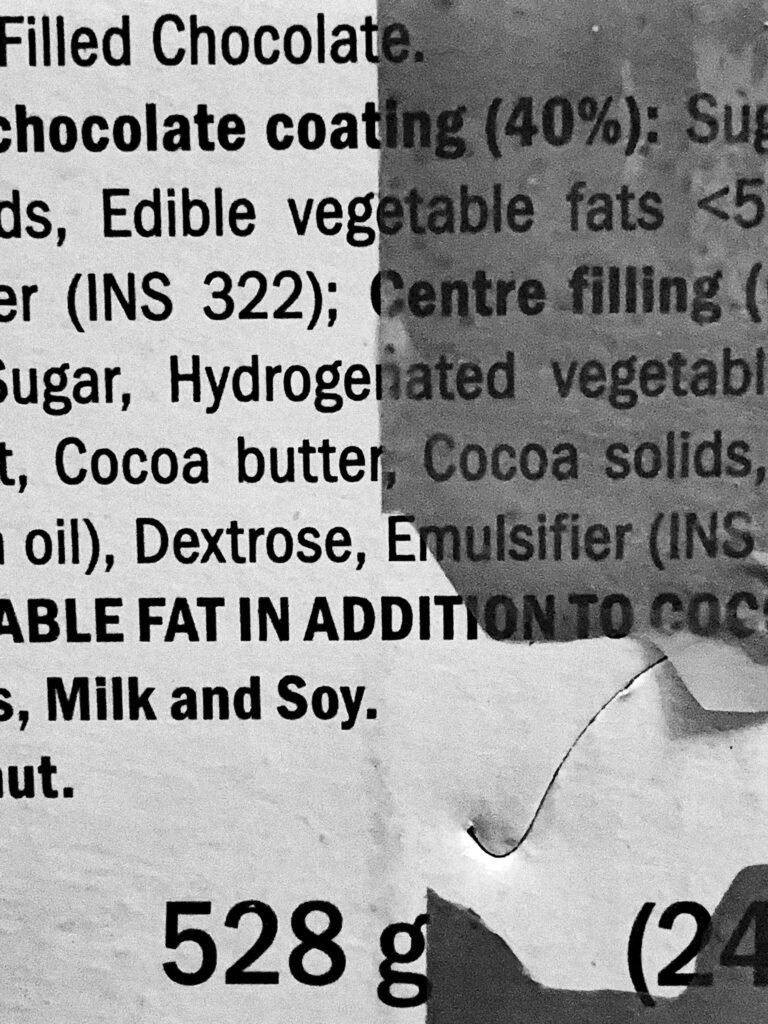
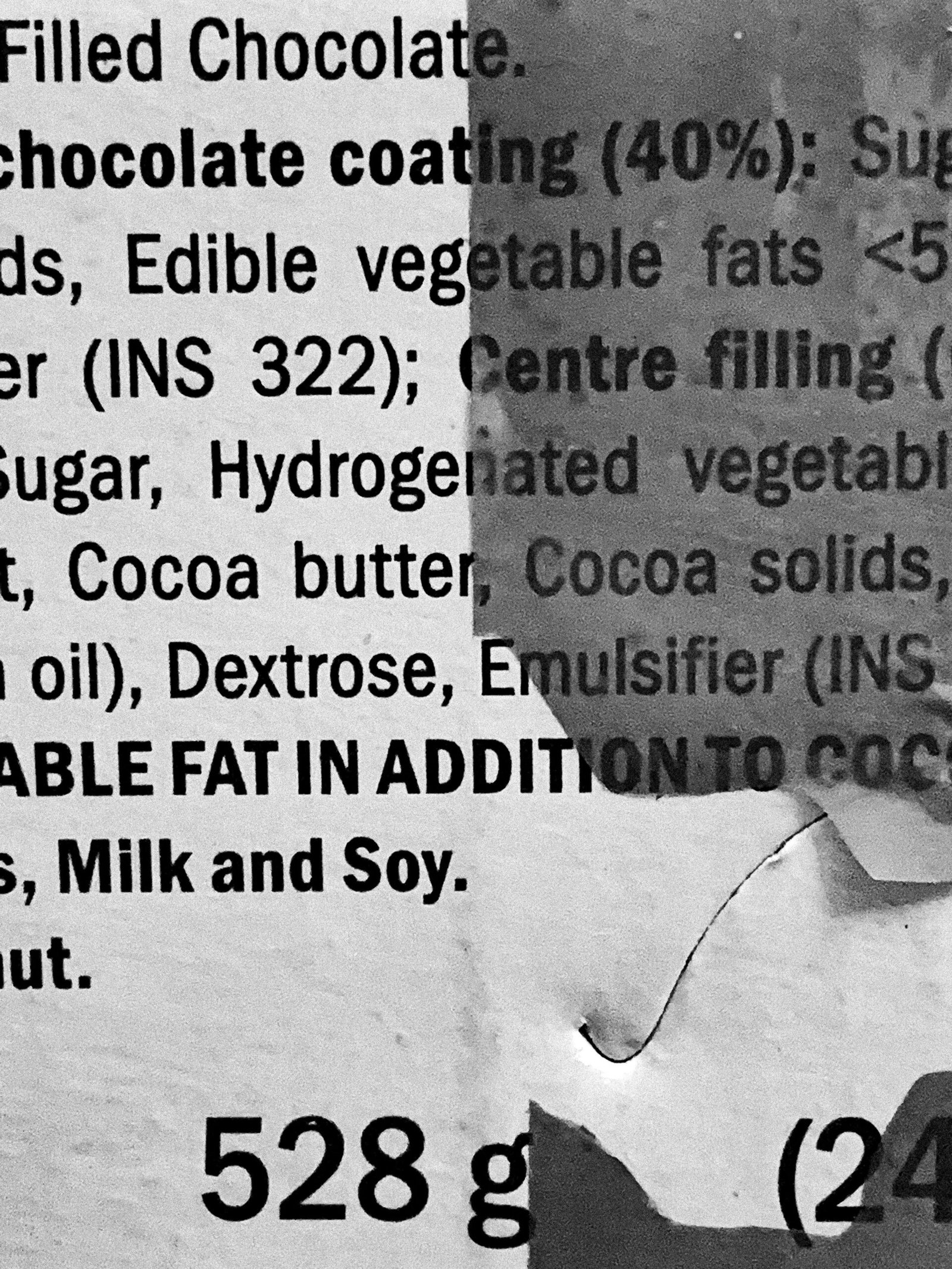
8. Decode the Ingredients List
The ingredients list often reveals more than the nutrition panel.
Ingredients appear in descending order by weight.
If the first few ingredients are:
- Whole oats
- Brown rice
- Whole wheat
- Vegetables
- Beans
The product is generally less processed.
Be cautious if the first ingredients include:
- Sugar
- Refined flour
- Hydrogenated oils
- Artificial flavors
- Artificial colors
A shorter ingredient list often indicates a less processed food.
Understanding Common Food Claims
Packaging often includes attractive claims that deserve a closer look.
Low Fat
May contain extra sugar to improve flavor.
Sugar-Free
Could include artificial sweeteners or sugar alcohols.
Natural
This term is not always strictly regulated and doesn’t necessarily mean healthier.
Organic
Organic ingredients are produced under specific farming standards but organic foods can still be high in sugar, sodium, or calories.
Gluten-Free
Important for people with celiac disease or gluten sensitivity but not automatically healthier.
Always verify these claims by reading the nutrition facts and ingredients.
Healthy Grocery Shopping Tips
Use these habits every time you shop:
- Read labels before buying.
- Compare similar products.
- Choose foods with fewer ingredients.
- Buy more whole foods.
- Shop the perimeter of the store first.
- Avoid shopping when hungry.
- Plan meals in advance.
Consistent label reading leads to better food choices.
Common Mistakes When Reading Food Labels
Avoid these frequent errors:
- Ignoring serving sizes.
- Trusting front-of-package marketing.
- Looking only at calories.
- Forgetting to check added sugars.
- Overlooking sodium content.
- Not reading the ingredients list.
- Assuming “organic” means healthy.
Being aware of these pitfalls helps you make more informed decisions.
Sample Label Comparison
Imagine choosing between two breakfast cereals:
Cereal A
- 180 calories
- 12g added sugar
- 2g fiber
- Refined flour
Cereal B
- 170 calories
- 3g added sugar
- 6g fiber
- Whole oats listed first
Although calorie counts are similar, Cereal B is generally the healthier choice due to its higher fiber and lower added sugar.
How Food Labels Support Different Health Goals
Reading food labels can help if you want to:
Lose Weight
Focus on calories, protein, fiber, and serving size.
Build Muscle
Choose foods rich in protein and complex carbohydrates.
Improve Heart Health
Limit saturated fat, sodium, and trans fats.
Manage Blood Sugar
Select foods with higher fiber and lower added sugars.
Support Digestive Health
Increase fiber intake through whole foods.
Final Thoughts
Learning How to Read Food Labels empowers you to make healthier choices every day. Rather than relying on eye-catching marketing claims, you can confidently evaluate serving sizes, calories, nutrients, ingredients, and % Daily Values to understand what you’re really eating.
The more you practice reading labels, the easier it becomes to identify nutritious foods and avoid products high in added sugars, unhealthy fats, and excessive sodium. Remember that no single number tells the whole story—it’s the overall nutritional profile that matters.
Healthy eating isn’t about perfection. It’s about making informed decisions consistently. By mastering How to Read Food Labels, you’ll shop smarter, eat better, and build lasting habits that support long-term health and wellness.
Frequently Asked Questions (FAQ)
How do you read food labels correctly?
Start by checking the serving size, calories, nutrition facts, ingredients list, and % Daily Value. Compare products before making a purchase.
Why is the serving size important?
All nutrition information is based on the serving size. Eating more than one serving means consuming more calories, sugar, sodium, and fat than listed.
What ingredients should I avoid?
Limit foods high in added sugars, trans fats, excessive sodium, artificial colors, and highly processed ingredients.
What does % Daily Value (%DV) mean?
The % Daily Value shows how much one serving contributes to your recommended daily nutrient intake based on a 2,000-calorie diet.
Is “organic” always healthier?
Not necessarily. Organic foods may reduce exposure to certain pesticides, but they can still contain added sugar, sodium, or calories.
What should be listed first on the ingredients list?
Ingredients are listed by weight. Whole foods such as oats, vegetables, or whole grains appearing first usually indicate a healthier product.
How can food labels help with weight loss?
Reading food labels helps you manage calorie intake, monitor portion sizes, and choose foods higher in protein and fiber while avoiding unnecessary sugars and unhealthy fats.
Are nutrition labels required on all packaged foods?
Most packaged foods require nutrition labeling, although some fresh produce and small manufacturers may be exempt depending on local regulations.