Table of Contents
Introduction
Simple Food Swaps for a Healthier Diet are one of the easiest ways to improve your nutrition without completely changing the foods you love. Many people believe healthy eating requires strict meal plans, expensive ingredients, or giving up favorite dishes. In reality, small and consistent changes often produce the biggest long-term results.
Replacing everyday foods with healthier alternatives can increase your intake of fiber, vitamins, minerals, healthy fats, and protein while reducing added sugars, unhealthy fats, and refined carbohydrates. These changes support better heart health, digestion, energy levels, and weight management without making meals feel restrictive.
The best part is that these swaps are practical and easy to include in your daily routine. Whether you’re preparing breakfast, lunch, dinner, or snacks, choosing more nutritious ingredients can make every meal work harder for your health.
In this guide, you’ll discover 5 Simple Food Swaps for a Healthier Diet, why they work, and how to make them part of a sustainable healthy lifestyle.
Why Small Food Swaps Make a Big Difference
Healthy eating isn’t about being perfect—it’s about making smarter choices more often.
Simple food swaps can help you:
- Increase nutrient intake
- Reduce excess sugar
- Lower unhealthy fat consumption
- Improve digestion
- Support heart health
- Maintain healthy weight
- Increase daily energy
- Build lifelong healthy habits
Because these changes are small, they’re easier to stick with than restrictive diets.
Swap #1: Choose Whole Grains Instead of Refined Grains
One of the most effective Simple Food Swaps for a Healthier Diet is replacing refined grains with whole grains.
Refined Grain Examples
- White rice
- White bread
- Regular pasta
- Sugary breakfast cereals
Better Whole Grain Options
- Brown rice
- Quinoa
- Whole wheat bread
- Oats
- Whole grain pasta
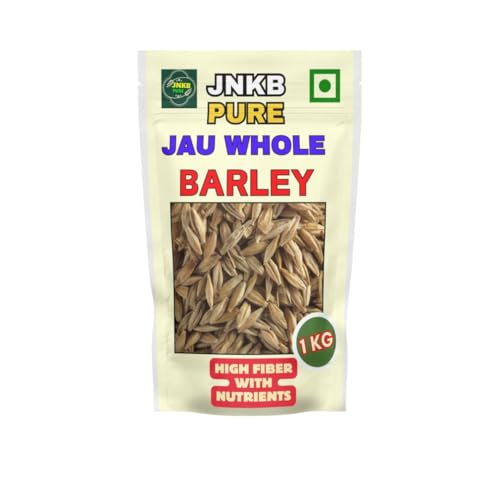
- Barley
Why It Works
Whole grains contain the bran and germ, which provide:
- Dietary fiber
- B vitamins
- Iron
- Magnesium
- Antioxidants
These nutrients support digestion, heart health, and stable blood sugar levels while helping you stay full longer.
Easy tip: Replace white rice with brown rice two or three times a week to start.
Swap #2: Replace Sugary Snacks with Fresh Fruit
Many packaged snacks contain added sugars, refined flour, and unhealthy fats.
Instead, reach for naturally sweet fruits.
Better Snack Choices
- Apples
- Oranges
- Blueberries
- Strawberries
- Pears
- Bananas
- Grapes
Health Benefits
Fresh fruit provides:
- Natural sweetness
- Fiber
- Vitamin C
- Potassium
- Antioxidants
- Water for hydration
Unlike candy or cookies, fruit satisfies sweet cravings while nourishing your body.
Healthy Snack Ideas
- Apple slices with peanut butter
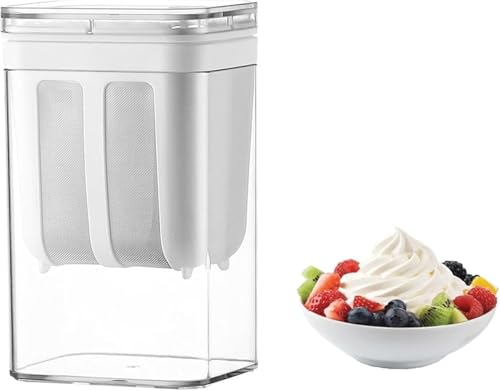
- Mixed berries with yogurt
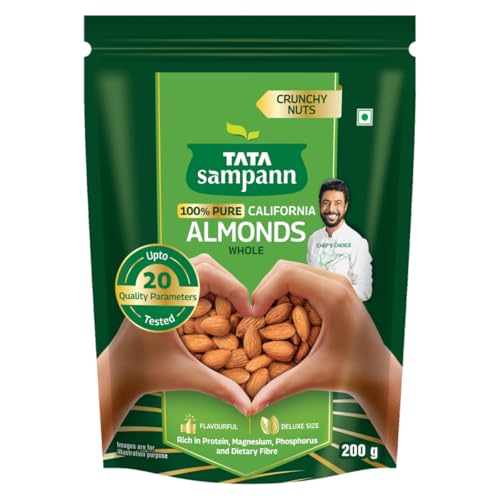
- Banana with almonds
- Orange and walnuts
Swap #3: Choose Greek Yogurt Instead of Regular Flavored Yogurt
Yogurt is already nutritious, but Greek yogurt offers additional benefits.
Why Greek Yogurt?
Compared to many flavored yogurts, Greek yogurt generally contains:
- More protein
- Less added sugar
- More calcium
- Beneficial probiotics
Protein helps you stay full longer while probiotics support gut health.
Delicious Ways to Enjoy It
- Add fresh berries
- Sprinkle chia seeds
- Top with almonds
- Mix with cinnamon
- Blend into smoothies
Choose plain Greek yogurt whenever possible to reduce added sugars.
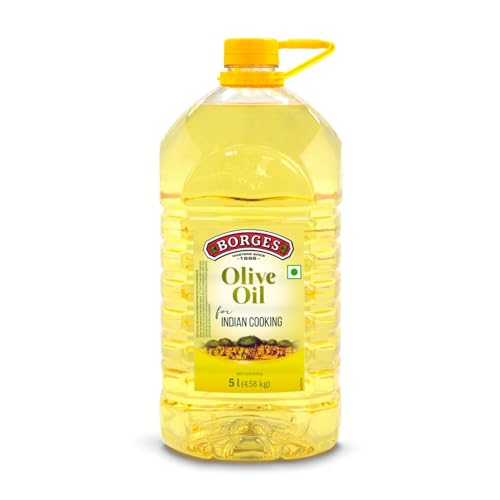
Swap #4: Use Olive Oil Instead of Butter
Healthy fats are an important part of a balanced diet.
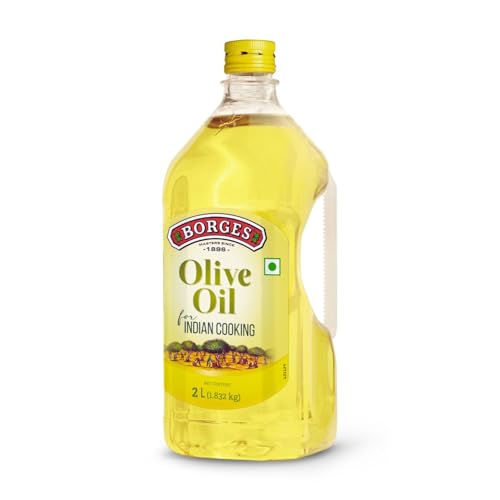
Replacing butter with extra virgin olive oil is one of the easiest Simple Food Swaps for a Healthier Diet.
Olive Oil Benefits
Rich in:
- Monounsaturated fats
- Vitamin E
- Polyphenol antioxidants
These nutrients may help:
- Support heart health
- Reduce inflammation
- Improve cholesterol levels
Easy Uses
- Salad dressings
- Roasted vegetables
- Light sautéing
- Whole-grain bread dip
- Marinades
Remember that olive oil is still calorie-dense, so moderation is important.
Swap #5: Use Vegetables Instead of Pasta or Rice
Vegetables can replace part—or all—of traditional pasta or rice in many meals.
Great Vegetable Alternatives
- Zucchini noodles
- Cauliflower rice
- Spaghetti squash
- Cabbage noodles
- Spiralized carrots
Benefits
Vegetable-based meals are often:
- Lower in calories
- Rich in fiber
- High in vitamins
- More filling
- Naturally colorful
Meal Ideas
- Zucchini noodle stir-fry
- Cauliflower fried rice
- Spaghetti squash with tomato sauce
- Vegetable grain bowls
These options help increase your vegetable intake without sacrificing flavor.
Additional Healthy Food Swaps
Once you’ve mastered the five main swaps, try these simple upgrades:
Instead of Soda
Choose:
- Water
- Sparkling water
- Herbal tea
- Infused water
Instead of Potato Chips
Try:
- Air-popped popcorn
- Roasted chickpeas
- Mixed nuts
- Vegetable sticks
Instead of Ice Cream
Choose:
- Frozen Greek yogurt
- Frozen banana slices
- Fruit smoothie
- Fresh berries
Instead of Sugary Breakfast Cereal
Try:
- Oatmeal
- Overnight oats
- Whole grain muesli
Instead of Creamy Dressings
Use:
- Olive oil
- Lemon juice
- Greek yogurt dressing
- Balsamic vinegar
How Healthy Food Swaps Support Your Health
Making these swaps consistently can support:
Heart Health
Whole grains, olive oil, fruits, and vegetables may help maintain healthy cholesterol levels.
Weight Management
Higher fiber and protein help increase fullness and reduce overeating.
Better Digestion
Fiber-rich foods promote healthy digestion and support beneficial gut bacteria.
Stable Energy
Whole foods provide slow-releasing carbohydrates that help avoid energy crashes.
Stronger Immunity
Fruits and vegetables supply vitamins, minerals, and antioxidants that support immune function.
Sample One-Day Healthy Meal Plan
Breakfast
Greek yogurt topped with blueberries and chia seeds.
Morning Snack
Apple slices with almond butter.
Lunch
Grilled chicken with quinoa and roasted vegetables.
Afternoon Snack
Carrot sticks with hummus.
Dinner
Zucchini noodles topped with turkey meatballs and tomato sauce.
Dessert
Fresh strawberries with plain Greek yogurt.
Tips for Making Food Swaps Stick
Success comes from consistency, not perfection.
Try these strategies:
- Make one swap each week.
- Keep healthy snacks visible.
- Plan meals ahead.
- Read nutrition labels.
- Prepare meals at home more often.
- Shop with a grocery list.
- Avoid shopping while hungry.
Over time, these small changes become lifelong habits.
Common Mistakes to Avoid
Even healthy eaters sometimes make these mistakes:
- Changing everything at once
- Buying highly processed “healthy” foods
- Ignoring portion sizes
- Drinking sugary beverages
- Skipping vegetables
- Choosing low-fat products high in sugar
Focus on whole, minimally processed foods whenever possible.
Lifestyle Habits That Complement Healthy Eating
Healthy food swaps work best alongside other positive habits.
Aim to:
- Exercise regularly
- Stay hydrated
- Sleep 7–9 hours each night
- Manage stress
- Cook more meals at home
- Practice mindful eating
Together, these habits create a strong foundation for long-term wellness.
Final Thoughts
Making Simple Food Swaps for a Healthier Diet doesn’t require giving up your favorite meals or following restrictive eating plans. Small changes—like choosing whole grains instead of refined grains, replacing sugary snacks with fresh fruit, enjoying Greek yogurt, cooking with olive oil, and using vegetables in place of refined carbohydrates—can have a meaningful impact on your overall health.
The key is consistency. Every healthier choice adds up over time, helping you improve your nutrition, boost your energy, support heart health, and maintain a healthy weight. Rather than striving for perfection, focus on making one smart swap at a time. These simple adjustments can become lifelong habits that make healthy eating enjoyable, practical, and sustainable.
Frequently Asked Questions (FAQ)
What are healthy food swaps?
Healthy food swaps replace less nutritious foods with healthier alternatives that provide more vitamins, fiber, protein, and healthy fats.
Why are food swaps effective?
Small dietary changes are easier to maintain than restrictive diets, making them more sustainable for long-term health.
Can healthy food swaps help with weight loss?
Yes. Swapping processed foods for whole foods often reduces calorie intake while increasing fullness due to higher fiber and protein.
Is brown rice healthier than white rice?
Brown rice contains more fiber, vitamins, and minerals because it retains its bran and germ layers.
Why is Greek yogurt healthier?
Greek yogurt is generally higher in protein and lower in sugar than many regular flavored yogurts, helping keep you full longer.
Can olive oil replace butter?
Yes. Extra virgin olive oil contains heart-healthy monounsaturated fats and antioxidants, making it a healthier choice for many recipes.
Are vegetable noodles a good pasta substitute?
Vegetable noodles like zucchini noodles are lower in calories and carbohydrates while providing vitamins and fiber.
How do I make healthier eating a habit?
Start with one food swap at a time, meal plan ahead, keep healthy foods available, and focus on consistency instead of perfection.