Table of Contents
Introduction
Balanced Plate eating is one of the simplest and most effective ways to improve your nutrition without following restrictive diets or counting every calorie. Instead of focusing on eliminating foods, the Balanced Plate approach helps you create meals that naturally provide the nutrients your body needs.
A healthy meal isn’t about perfection—it’s about balance. By combining vegetables, fruits, lean proteins, whole grains, and healthy fats in the right proportions, you can enjoy satisfying meals that fuel your body, support your immune system, improve digestion, and help maintain a healthy weight.
Whether you’re trying to eat healthier, lose weight, increase your energy, or simply build better eating habits, learning how to create a Balanced Plate can make healthy eating easier and more sustainable.
In this guide, you’ll discover what makes a healthy meal, how to build the perfect plate, common mistakes to avoid, and practical meal ideas that fit any lifestyle.
What Is a Balanced Plate?
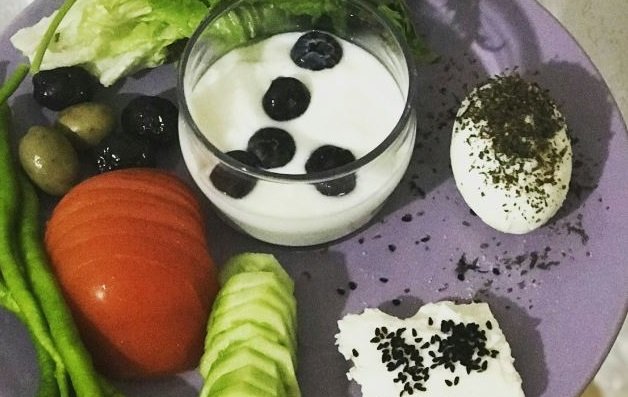
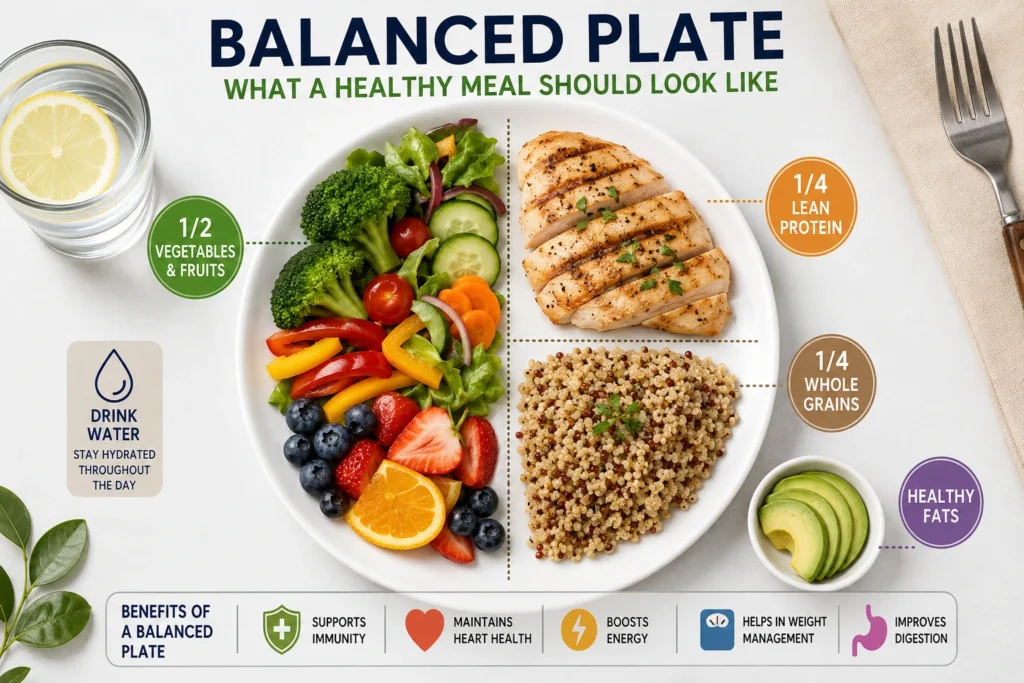
A Balanced Plate is a visual method of planning meals that ensures you receive the right combination of nutrients without complicated calculations.
A healthy plate typically includes:
- Half vegetables and fruits
- One-quarter lean protein
- One-quarter whole grains
- A small serving of healthy fats
- Water or another healthy beverage
This simple structure helps ensure your meals are rich in vitamins, minerals, fiber, protein, and healthy fats while avoiding excessive calories.
Why Following a Balanced Plate Matters
Healthy eating isn’t just about losing weight. A balanced meal supports nearly every function in your body.
Benefits include:
- Stable energy throughout the day
- Better digestion
- Improved heart health
- Stronger immune system
- Healthy blood sugar levels
- Better concentration
- Easier weight management
- Reduced risk of chronic disease
Eating balanced meals consistently often delivers better long-term results than restrictive diets.
The Five Essential Components of a Healthy Meal
1. Colorful Vegetables and Fruits (Half Your Plate)
Vegetables should make up the largest portion of your meal because they provide:
- Fiber
- Vitamins
- Minerals
- Antioxidants
- Water
Great choices include:
- Spinach
- Broccoli
- Bell peppers
- Tomatoes
- Carrots
- Cucumbers
- Kale
- Zucchini
- Cauliflower
- Mixed salad greens
Fresh fruits make excellent additions or desserts, including apples, berries, oranges, kiwi, grapes, and pears.
Aim to “eat the rainbow” for a wide range of nutrients.
2. Lean Protein (One-Quarter of Your Plate)
Protein helps:
- Build muscles
- Repair tissues
- Support hormones
- Keep you full longer
- Maintain metabolism
Healthy protein choices include:
- Chicken breast
- Turkey
- Fish
- Eggs
- Greek yogurt
- Tofu
- Tempeh
- Lentils
- Chickpeas
- Black beans
Try varying your protein sources throughout the week.
3. Whole Grains (One-Quarter of Your Plate)
Whole grains provide complex carbohydrates that release energy slowly.
Choose:
- Brown rice
- Quinoa
- Oats
- Whole wheat pasta
- Whole grain bread
- Barley
- Bulgur
- Farro
Unlike refined grains, whole grains retain fiber and important nutrients.
4. Healthy Fats
Healthy fats are essential for:
- Brain function
- Hormone production
- Vitamin absorption
- Heart health
Excellent sources include:
- Avocados
- Olive oil
- Almonds
- Walnuts
- Chia seeds
- Flaxseeds
- Pumpkin seeds
A small amount goes a long way.
5. Healthy Drinks
Hydration is an often-overlooked part of a Balanced Plate.
Best choices include:
- Water
- Sparkling water
- Herbal tea
- Unsweetened green tea
Limit sugary beverages and excessive soft drinks.
The Healthy Plate Method
An easy visual guide:
50% Plate
- Vegetables
- Fruits
25% Plate
- Lean protein
25% Plate
- Whole grains
Plus
- Healthy fats
- Water
This method removes the guesswork from meal planning.
Easy Balanced Meal Ideas
Breakfast
- Oatmeal with blueberries and almonds
- Greek yogurt with fruit and chia seeds
- Whole-grain toast with avocado and eggs
Lunch
- Grilled chicken salad with quinoa
- Lentil soup and whole-grain bread
- Turkey wrap with vegetables
Dinner
- Baked salmon
- Brown rice
- Roasted broccoli
- Side salad
Healthy Snacks
- Apple with peanut butter
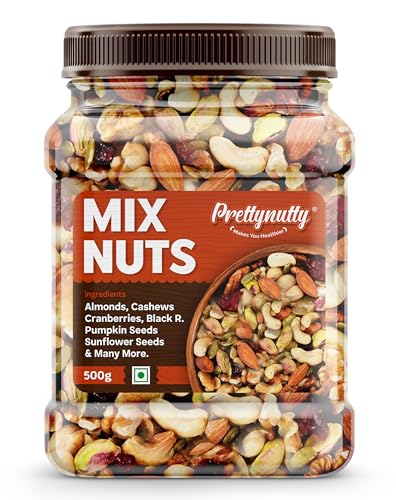
- Mixed nuts
- Hummus and carrots
- Cottage cheese with berries
Common Mistakes to Avoid
Many people think they’re eating healthy but overlook these issues:
- Filling half the plate with refined carbs
- Skipping vegetables
- Eating oversized protein portions
- Drinking sugary beverages
- Forgetting healthy fats
- Choosing processed “healthy” foods
- Ignoring portion sizes
Small adjustments can make a significant difference.
Meal Planning Tips
Building healthy meals becomes easier with preparation.
Try these habits:
- Plan meals weekly
- Prep vegetables ahead of time
- Cook grains in batches
- Keep healthy snacks available
- Read nutrition labels
- Shop the produce section first
Preparation reduces stress and encourages healthier choices.
Portion Control and the Balanced Plate
Even nutritious foods should be eaten in appropriate amounts.
Helpful tips include:
- Use a 9-inch plate
- Eat slowly
- Stop when comfortably full
- Avoid distractions while eating
- Serve food in the kitchen instead of family-style
Mindful eating naturally supports portion control.
Foods to Include More Often
Choose these nutrient-rich foods regularly:
Vegetables
- Spinach
- Broccoli
- Carrots
- Kale
- Bell peppers
Fruits
- Blueberries
- Apples
- Oranges
- Bananas
- Strawberries
Whole Grains
- Brown rice
- Oats
- Quinoa
- Whole wheat bread
Protein
- Chicken
- Fish
- Eggs
- Beans
- Lentils
Healthy Fats
- Avocados
- Olive oil
- Nuts
- Seeds
Lifestyle Habits That Support Healthy Eating
Nutrition works best alongside healthy daily habits.
Focus on:
- Exercising regularly
- Sleeping 7–9 hours each night
- Staying hydrated
- Managing stress
- Eating mindfully
- Limiting ultra-processed foods
- Cooking at home more often
Together, these habits improve overall wellness.
Final Thoughts
A Balanced Plate isn’t about strict food rules or giving up your favorite meals. It’s a practical, flexible way to nourish your body with the nutrients it needs every day.
By filling half your plate with vegetables and fruits, choosing lean proteins, including whole grains, and adding healthy fats in moderation, you can build meals that support lasting energy, healthy weight management, improved digestion, and long-term wellness.
Remember, healthy eating is built through consistency rather than perfection. Start by improving one meal at a time, and over time those small changes can lead to lifelong healthy habits. The Balanced Plate method is simple, sustainable, and suitable for people of all ages, making it one of the easiest ways to enjoy better nutrition every day.
Frequently Asked Questions (FAQ)
What is a balanced plate?
A balanced plate is a meal that includes vegetables, lean protein, whole grains, healthy fats, and fruits in the right proportions to provide complete nutrition.
What should a healthy meal plate look like?
A healthy meal plate should contain:
½ vegetables and fruits
¼ lean protein
¼ whole grains
A small serving of healthy fats
Why is a balanced plate important?
A balanced plate provides essential nutrients, supports healthy weight management, improves digestion, boosts energy, and reduces the risk of chronic diseases.
Can a balanced plate help with weight loss?
Yes. A balanced plate helps control portions, keeps you full longer, and reduces overeating by combining protein, fiber, and healthy fats.
Are carbohydrates allowed on a balanced plate?
Absolutely. Whole grains like brown rice, quinoa, oats, and whole wheat bread provide lasting energy and important nutrients.
What are the best protein sources for a balanced meal?
Healthy protein options include:
Chicken
Fish
Eggs
Beans
Lentils
Tofu
Greek yogurt
Can vegetarians follow the balanced plate method?
Yes. Plant proteins such as beans, lentils, tofu, tempeh, quinoa, and chickpeas work perfectly in a balanced plate.
How can I build a balanced plate every day?
Fill half your plate with vegetables, one-quarter with lean protein, one-quarter with whole grains, and include a small portion of healthy fats.