Table of Contents
Introduction
Plant-Based Lifestyle Guide—if you’ve been thinking about eating healthier, improving your energy levels, or making more sustainable food choices, you’re in the right place.
A plant-based lifestyle isn’t about strict rules or giving up everything you enjoy. Instead, it’s about adding more nutritious whole foods to your meals while reducing heavily processed foods and excessive animal products. Whether your goal is better health, weight management, or protecting the environment, small changes can make a big difference.
This beginner-friendly Plant-Based Lifestyle Guide will help you understand what a plant-based lifestyle really means, its health benefits, essential nutrients, practical meal ideas, and simple steps to make the transition enjoyable and sustainable.(Plant-Based Lifestyle Guide)
What Is a Plant-Based Lifestyle?
A plant-based lifestyle focuses on eating foods that come primarily from plants. This includes:
- Fruits
- Vegetables
- Whole grains
- Beans
- Lentils
- Chickpeas
- Nuts
- Seeds
- Herbs and spices
Unlike veganism, a plant-based lifestyle doesn’t always require eliminating all animal products. Many people choose to eat mostly plant foods while occasionally enjoying dairy, eggs, or lean meats.
The goal is progress—not perfection.
Why Choose a Plant-Based Lifestyle?
Millions of people worldwide are choosing plant-based eating because of its many benefits.
1. Supports Heart Health
Plant foods are naturally rich in fiber, antioxidants, and healthy fats that may help lower cholesterol and support healthy blood pressure.
2. Helps Maintain a Healthy Weight
Whole plant foods are generally lower in calories and higher in fiber, helping you stay full longer.
3. Improves Digestion
Foods rich in fiber promote healthy digestion by supporting beneficial gut bacteria and regular bowel movements.
4. Increases Daily Energy
Many people report feeling lighter and more energetic after replacing heavily processed meals with fresh, nutrient-rich foods.
5. Supports Environmental Sustainability
Growing plant foods typically requires fewer natural resources and produces fewer greenhouse gas emissions than large-scale animal agriculture.
Following this Plant-Based Lifestyle Guide can help you enjoy these long-term health and environmental benefits.
Essential Nutrients in a Plant-Based Diet
A balanced plant-based lifestyle provides nearly every nutrient your body needs.
Protein
Excellent plant protein sources include:
- Lentils
- Chickpeas
- Black beans
- Kidney beans
- Tofu
- Tempeh
- Quinoa
- Edamame
Protein supports muscle repair, immune health, and hormone production.
Healthy Fats
Healthy fats are important for brain health and nutrient absorption.
Good sources include:
- Avocados
- Almonds
- Walnuts
- Chia seeds
- Flaxseeds
- Olive oil
Fiber
Fiber improves digestion and supports heart health.
Rich sources include:
- Oats
- Apples
- Pears
- Beans
- Vegetables
- Whole grains
Iron
Plant-based iron can be found in:
- Spinach
- Lentils
- Pumpkin seeds
- Tofu
- Chickpeas
Pair iron-rich foods with vitamin C sources like oranges or bell peppers for better absorption.
Calcium
Choose:
- Fortified plant milk
- Broccoli
- Kale
- Tofu
- Sesame seeds
Vitamin B12
Vitamin B12 is not naturally abundant in plant foods.
Those following a completely vegan diet should consume fortified foods or supplements after consulting a healthcare professional.
Best Foods to Stock Your Kitchen
A well-stocked pantry makes healthy eating much easier.
Whole Grains
- Brown rice
- Oats
- Quinoa
- Whole wheat pasta
Legumes
- Lentils
- Black beans
- Chickpeas
- Split peas
Vegetables
- Spinach
- Broccoli
- Carrots
- Sweet potatoes
- Bell peppers
Fruits
- Bananas
- Apples
- Berries
- Oranges
Healthy Snacks
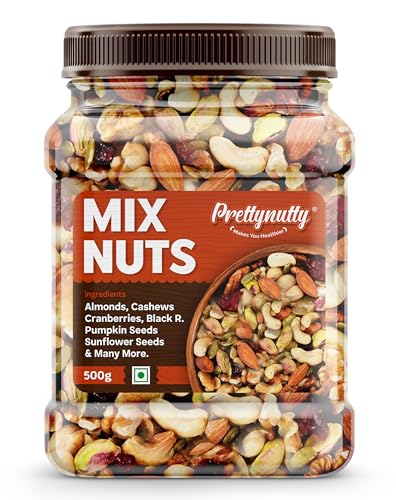
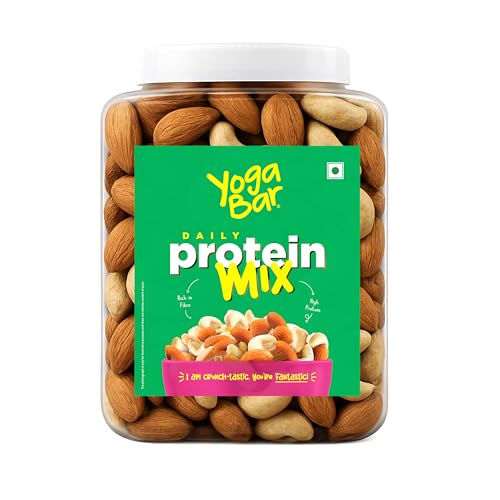
- Mixed nuts
- Seeds
- Hummus
- Fresh fruit
These pantry staples are the foundation of every successful Plant-Based Lifestyle Guide.
10 Easy Steps to Start Your Plant-Based Journey
- Start Slowly
- Fill Half Your Plate with Vegetables
- Experiment with New Recipes
- Cook More at Home
- Choose Whole Foods
- Read Food Labels
- Plan Weekly Meals
- Stay Hydrated
- Don’t Aim for Perfection
- Learn Continuously
If you’re new to healthy eating, this Plant-Based Lifestyle Guide encourages gradual changes that are easier to maintain.
Sample One-Day Meal Plan
Breakfast
Overnight oats with berries, chia seeds, and almond milk.
Morning Snack
Apple slices with peanut butter.
Lunch
Quinoa salad with roasted vegetables, chickpeas, and lemon dressing.
Afternoon Snack
Carrot sticks with hummus.
Dinner
Vegetable stir-fry with tofu served over brown rice.
Dessert
Fresh fruit salad.
Common Mistakes Beginners Make
Avoid these common pitfalls:
- Skipping protein-rich foods
- Eating too many processed vegan snacks
- Forgetting Vitamin B12
- Not drinking enough water
- Eating too little overall
- Ignoring meal planning
A balanced approach leads to better long-term success.
Lifestyle Tips for Success
Healthy eating works best alongside healthy habits.
Try to:
- Exercise regularly
- Sleep 7–9 hours each night
- Manage stress
- Stay hydrated
- Cook more meals at home
- Practice mindful eating
Applying the advice in this Plant-Based Lifestyle Guide alongside healthy lifestyle habits will maximize your results.
Final Thoughts
A plant-based lifestyle doesn’t require perfection or drastic changes overnight. Every fruit, vegetable, whole grain, and legume you add to your plate is a step toward better health.
Focus on building sustainable habits rather than following restrictive rules. By choosing wholesome foods, planning balanced meals, and staying consistent, you’ll enjoy greater energy, improved digestion, and long-term wellness.
This Plant-Based Lifestyle Guide is designed to help you make lasting, healthy changes one meal at a time. Remember, the healthiest diet is one you can enjoy and maintain for years to come.(Plant-Based Lifestyle Guide)
Frequently Asked Questions (FAQ)
What is a plant-based lifestyle?
A plant-based lifestyle emphasizes eating mostly fruits, vegetables, legumes, whole grains, nuts, and seeds while limiting processed foods and animal products.
Is a plant-based diet the same as vegan?
No. A plant-based diet focuses on eating more plant foods, while veganism also excludes animal products for ethical or environmental reasons.
Can I get enough protein from plants?
Yes. Lentils, beans, tofu, tempeh, quinoa, edamame, nuts, and seeds provide plenty of protein.
Do I need supplements?
People following a fully vegan diet may need Vitamin B12 supplementation. Consult a healthcare professional for personalized advice.
Is a plant-based diet good for weight loss?
It can support healthy weight management when based on whole, minimally processed foods and balanced portions.
What are the easiest plant-based meals for beginners?
Overnight oats, vegetable stir-fries, bean chili, quinoa bowls, lentil soup, and smoothies are excellent beginner-friendly options.