Understanding the Basics of Food Labels
Food labels serve as an essential tool for consumers, providing vital information that can guide dietary choices and contribute to overall health. Understanding the key components of food labels is crucial for making informed decisions regarding food consumption. The nutrition facts panel is one of the most prominent sections on a food label and typically includes information on serving size, calories, and various nutrients.
Firstly, the serving size indicates the standard amount of the product that is typically consumed in one sitting. This measurement affects all other nutritional information provided, as most values are based on this quantity. It is vital to pay attention to the serving sizes, as they can vary significantly between different products, which might lead to misunderstandings regarding calorie intake and nutrient consumption.
Calories are another critical aspect found on food labels. This figure represents the amount of energy that one serving of the product provides. Monitoring caloric intake can be essential for individuals managing their weight and assessing overall energy consumption throughout the day. By understanding the relationship between serving sizes and calorie content, consumers can make healthier choices tailored to their dietary goals.
Next, the nutrition facts panel lists various nutrients, including fats, carbohydrates, proteins, vitamins, and minerals. Each nutrient serves a specific role in the body, and knowing the values can help individuals assess if a product aligns with their dietary needs. For instance, an item low in saturated fat and high in fiber may be preferred over one with high sugar content. Additionally, the % Daily Value (DV) indicates how much a nutrient contributes to a standard daily diet based on a 2,000-calorie benchmark, guiding consumers in evaluating if a food is beneficial or excessive for their health.
Decoding the Ingredients List
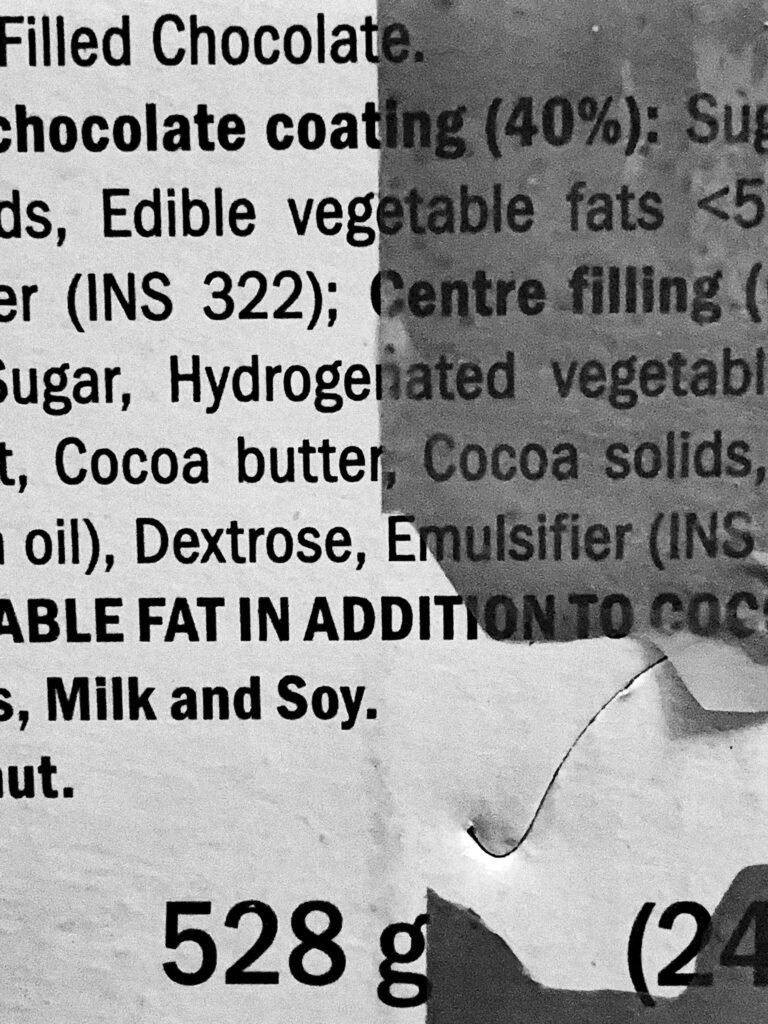
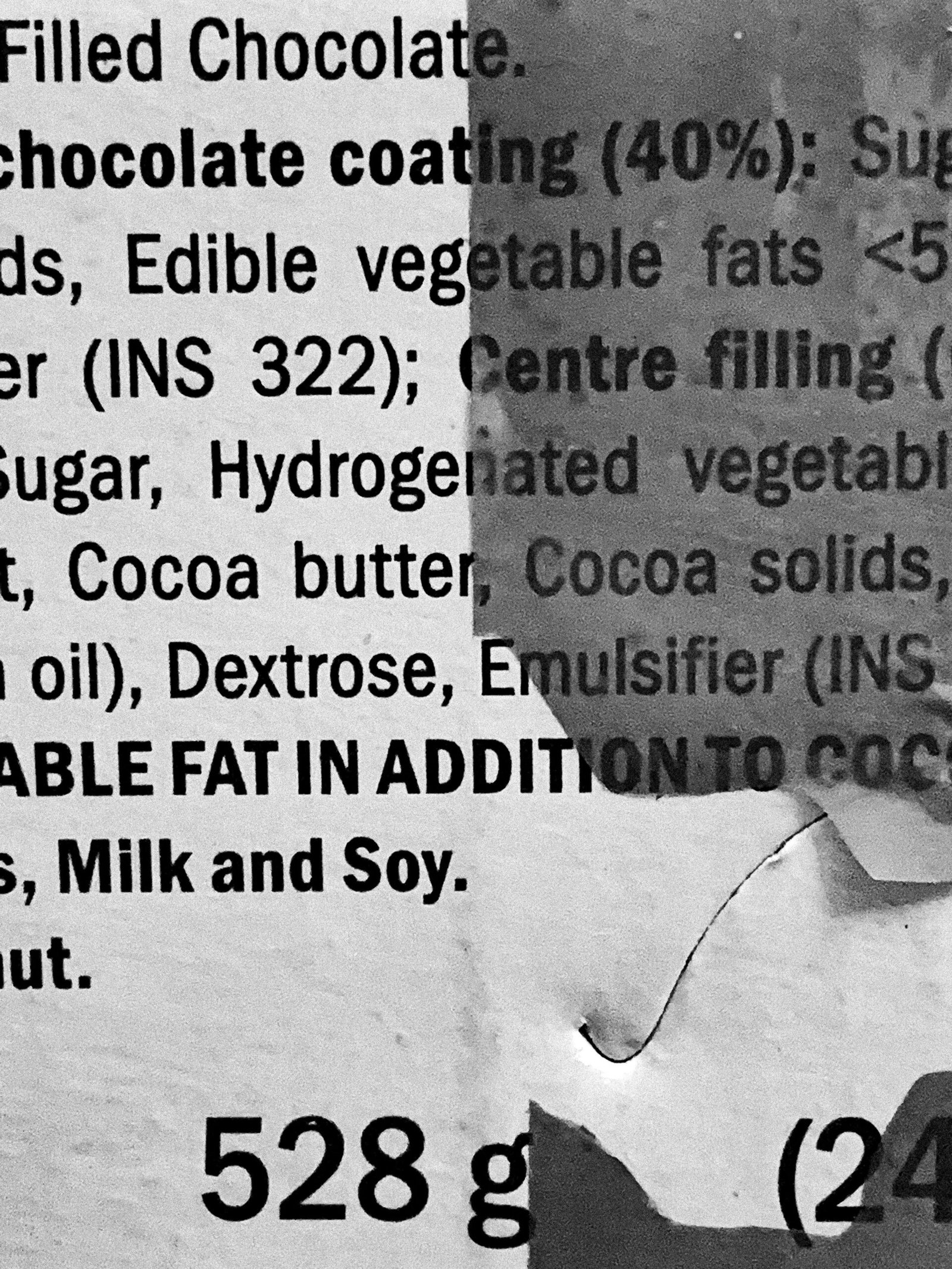
Understanding the ingredients list on food labels is a crucial skill for anyone looking to make informed dietary choices. The ingredients are typically listed in descending order by weight, meaning the first few items make up the bulk of the product. By examining this list, consumers can quickly assess the quality of a food item. For example, if whole grains or natural ingredients appear at the top, it generally indicates a healthier option. Conversely, if processed ingredients or artificial additives dominate, it may be a sign of unnecessary fillers and less nutritious value.
One vital aspect to consider when reading ingredient labels is the presence of added sugars. Often disguised under various names, such as high fructose corn syrup, cane sugar, or agave nectar, excessive sugar can affect health significantly. Recognizing these terms is essential for individuals seeking to reduce their sugar intake. Additionally, it is important to look for specific warnings on artificial additives and preservatives, such as sodium nitrite or BHT, which are frequently included to prolong shelf life but may have adverse long-term health effects.
Another helpful strategy when analyzing the ingredients list is to seek out recognizable and simple components. Healthier food choices typically feature ingredients that consumers can pronounce and identify. Foods with shorter ingredients lists are often better options, as they tend to be less processed. When consumers encounter unfamiliar ingredients, conducting a quick research or utilizing reliable apps can further aid in understanding their implications on health.
By familiarizing themselves with the intricacies of the ingredients list, individuals can enhance their food literacy. Ultimately, this knowledge empowers consumers to navigate grocery aisles confidently and make smarter choices that align with their health goals.
Understanding Nutritional Claims
When navigating the aisles of grocery stores, many consumers encounter various nutritional claims on food packaging that can be confusing. Terms such as “low fat,” “sugar-free,” and “organic” are regularly used by manufacturers to attract attention and imply health benefits. However, it is vital to critically assess these claims to ensure they align with genuine dietary needs and overall health objectives.
For instance, the term “low fat” can imply a healthier choice; however, it is essential to examine the accompanying ingredients. Often, products marketed as low fat may contain higher levels of sugars or other additives to enhance flavor, potentially negating their intended health benefits. The phrase “sugar-free” provides a similar challenge. While it may suggest a healthier option, it can be misleading as sugar substitutes or sugar alcohols may still be present. These alternatives can affect blood sugar levels and may cause digestive issues for some consumers.
Another term often seen is “organic,” which typically refers to food products grown without the use of synthetic pesticides or fertilizers. While organic options can be beneficial in terms of reducing exposure to certain chemicals, it is crucial to consider that organic does not necessarily mean low-calorie or nutrition-rich. Therefore, assessing the complete nutritional profile, including serving size and other ingredients, becomes necessary when considering health claims.
To differentiate between marketing hype and real health implications, it is advisable to become familiar with food labeling regulations and seek third-party certifications when possible. This allows consumers to make educated choices and understand the actual nutritional value of a product, rather than being swayed solely by appealing claims. A keen eye will enable individuals to discern which products genuinely support their dietary goals while avoiding those that exploit misleading terminology for sales advantage.
Practical Tips for Reading Food Labels
Reading food labels is an essential skill for individuals seeking to make informed dietary choices. To navigate labels effectively, start by familiarizing yourself with the structure of the label. The most prominent items include the serving size, calories, and key nutrients. By understanding these components, you can make easier comparisons between similar products. Look for items with lower sugar, sodium, and saturated fat, as reducing these can significantly improve your overall nutritional intake.
When comparing similar products, pay close attention to the serving size listed on the label. A common pitfall arises when consumers overlook these details. A product that appears healthier might actually contain more calories or sugar per serving than a seemingly less desirable option. This means that both nutritional value and portion sizes must be considered to truly assess which item aligns with your dietary goals.
Another helpful strategy is to utilize the % Daily Value (%DV) on the label, which indicates how much a nutrient contributes to a daily diet based on a 2,000-calorie intake. Aim for products that provide a higher %DV of fiber, vitamins, and minerals while limiting those high in added sugars and saturated fats. Furthermore, be aware of misleading health claims, such as “sugar-free” or “low-fat,” which can sometimes be offset by other harmful ingredients.
Incorporating label reading into your shopping routine will take time but can yield substantial benefits. Start by developing a habit of checking labels for every food item you purchase. This will help to refine your ability to discern healthier options and reinforce mindful eating practices. Additionally, keeping a reference list of nutrients you often seek can streamline the process. With these practical tips, you can approach food labels with confidence, leading to healthier dietary choices.