Table of Contents
Introduction
Clean Eating Guide readers often discover that eating healthy doesn’t require strict diets, expensive ingredients, or complicated meal plans. Clean eating is simply about choosing whole, minimally processed foods that nourish your body and support long-term health.
Rather than focusing on calorie counting or eliminating entire food groups, clean eating encourages balance, variety, and mindful food choices. Small, consistent improvements can boost your energy, improve digestion, support heart health, and help maintain a healthy weight.
This practical guide explains how clean eating works, its health benefits, and simple strategies you can start using today.
What Is Clean Eating?
Clean eating focuses on consuming foods that are as close to their natural state as possible. These foods contain fewer additives, preservatives, refined sugars, and unhealthy fats.
Instead of relying on packaged convenience foods, a clean eating lifestyle encourages meals built around:
- Fresh vegetables
- Fruits
- Whole grains
- Lean proteins
- Healthy fats
- Legumes
- Nuts and seeds
The goal isn’t perfection—it’s making healthier choices more often.
Why Choose a Clean Eating Lifestyle?
Many people experience noticeable improvements after switching to a cleaner way of eating.
Potential benefits include:
- Increased daily energy
- Better digestion
- Improved gut health
- Stable blood sugar levels
- Better concentration
- Healthy weight management
- Reduced inflammation
- Healthier skin
- Stronger immune system
- Lower risk of chronic diseases
Since whole foods are naturally rich in vitamins, minerals, antioxidants, and fiber, they help your body perform at its best.
Foods to Include More Often
A clean eating plan centers around nutrient-rich ingredients.
Fresh Vegetables
Aim to fill half your plate with colorful vegetables such as:
- Spinach
- Broccoli
- Carrots
- Bell peppers
- Kale
- Tomatoes
- Cucumbers
These provide vitamins, minerals, antioxidants, and fiber.
Fresh Fruits
Natural fruits satisfy sweet cravings while supplying nutrients.
Excellent choices include:
- Apples
- Oranges
- Berries
- Bananas
- Kiwi
- Pears
- Grapes
Whole Grains
Replace refined grains with whole-grain alternatives.
Examples:
- Brown rice
- Oats
- Quinoa
- Whole wheat bread
- Barley
- Millet
Whole grains provide steady energy and support digestive health.
Lean Protein
Protein supports muscle repair, metabolism, and satiety.
Choose:
- Chicken breast
- Turkey
- Fish
- Eggs
- Greek yogurt
- Beans
- Lentils
- Chickpeas
- Tofu
Healthy Fats
Healthy fats are essential for brain health and hormone production.
Include:
- Avocados
- Olive oil
- Walnuts
- Almonds
- Chia seeds
- Flaxseeds
- Pumpkin seeds
Foods to Limit
Clean eating doesn’t require eliminating foods forever, but it’s wise to reduce foods that offer little nutritional value.
Limit:
- Sugary drinks
- Candy
- White bread
- Pastries
- Fast food
- Processed meats
- Packaged snacks
- Deep-fried foods
- Highly processed frozen meals
Enjoy treats occasionally while focusing on healthier everyday choices.
15 Practical Clean Eating Tips
1. Eat More Whole Foods
Choose foods with short ingredient lists and minimal processing.
2. Read Nutrition Labels
Look for products with fewer additives, less added sugar, and recognizable ingredients.
3. Plan Meals Ahead
Weekly meal planning reduces impulse purchases and unhealthy takeout meals.
4. Cook More at Home
Preparing meals yourself gives you complete control over ingredients.
5. Fill Half Your Plate with Vegetables
Vegetables provide fiber, vitamins, and antioxidants with relatively few calories.
6. Drink More Water
Proper hydration supports digestion, metabolism, and overall health.
Aim for 8–10 glasses daily.
7. Choose Healthy Snacks
Good snack ideas include:
- Fresh fruit
- Greek yogurt
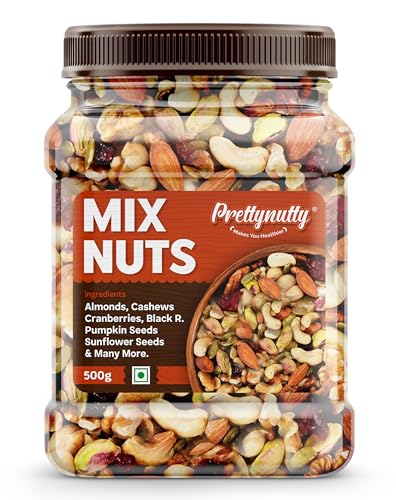
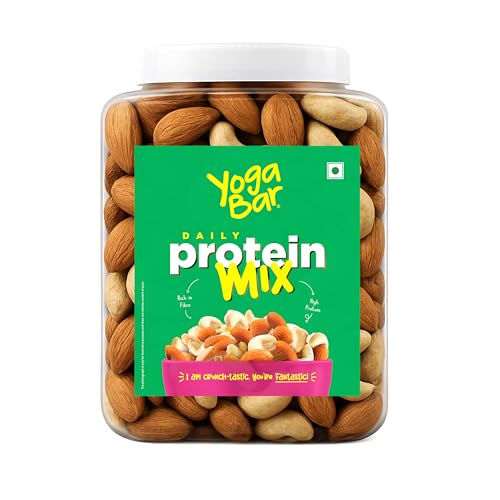
- Mixed nuts
- Carrot sticks
- Hummus
- Cottage cheese
8. Reduce Added Sugar
Swap sugary drinks and desserts for naturally sweet foods like fruit.
9. Watch Portion Sizes
Healthy foods still contain calories.
Eating slowly helps prevent overeating.
10. Include Protein at Every Meal
Protein helps control hunger and supports muscle maintenance.
11. Eat More Fiber
Fiber promotes healthy digestion and keeps you feeling satisfied.
Choose:
- Oats
- Beans
- Vegetables
- Fruits
- Whole grains
12. Avoid Skipping Meals
Skipping meals may increase hunger and lead to overeating later.
13. Prepare Healthy Lunches
Packing your lunch often saves money while supporting healthier choices.
14. Practice Mindful Eating
Eat without distractions.
Slow down and enjoy every bite.
Your body has time to recognize fullness.
15. Focus on Progress, Not Perfection
Healthy eating is about long-term habits rather than strict rules.
Small improvements lead to lasting success.
Sample One-Day Clean Eating Meal Plan
Breakfast
Oatmeal topped with blueberries, walnuts, and cinnamon.
Morning Snack
Apple slices with natural peanut butter.
Lunch
Grilled chicken with brown rice and steamed broccoli.
Afternoon Snack
Greek yogurt with chia seeds.
Dinner
Baked salmon, quinoa, roasted vegetables, and spinach salad.
Evening Snack
A handful of almonds or fresh berries.
Common Mistakes to Avoid
Many beginners unknowingly make clean eating more difficult.
Avoid these common mistakes:
- Trying to change everything overnight
- Skipping meals
- Drinking sugary beverages
- Buying expensive “health” products unnecessarily
- Forgetting healthy snacks
- Ignoring portion sizes
- Not reading nutrition labels
Remember, consistency matters more than perfection.
Clean Eating on a Budget
Healthy eating can also be affordable.
Smart ways to save money include:
- Buy seasonal produce
- Choose frozen fruits and vegetables
- Purchase oats, rice, beans, and lentils in bulk
- Compare store brands
- Plan weekly meals
- Cook larger batches
- Use leftovers creatively
Nutritious eating doesn’t have to be expensive.
Lifestyle Habits That Support Clean Eating
Food is only one piece of overall wellness.
Support your healthy lifestyle by:
- Sleeping 7–9 hours each night
- Exercising regularly
- Managing stress
- Staying hydrated
- Limiting alcohol
- Avoiding smoking
Healthy habits work together to improve overall well-being.
Final Thoughts
A Clean Eating Guide is not about following strict rules or giving up your favorite foods forever. Instead, it’s about making thoughtful choices that nourish your body with wholesome, nutrient-rich ingredients. By focusing on fresh vegetables, fruits, whole grains, lean proteins, and healthy fats, you can build sustainable habits that improve energy, digestion, heart health, and overall wellness.
Start with one or two changes each week, such as cooking more meals at home or adding extra vegetables to your plate. Over time, these small adjustments can lead to lasting health benefits. Remember, the goal isn’t perfection—it’s creating a balanced lifestyle that you can enjoy for years to come.
Frequently Asked Questions (FAQ)
What is clean eating?
Clean eating focuses on consuming whole, minimally processed foods while limiting added sugars, unhealthy fats, and artificial ingredients.
Is clean eating good for weight loss?
Yes. A clean eating lifestyle can support healthy weight management by emphasizing nutrient-dense, satisfying foods and reducing excess calories from processed products.
Can beginners start clean eating easily?
Absolutely. Begin with small changes, such as eating more fruits and vegetables, drinking water instead of sugary beverages, and preparing meals at home.
Are carbohydrates allowed in clean eating?
Yes. Whole-grain carbohydrates like oats, brown rice, quinoa, and whole wheat bread are encouraged because they provide fiber and sustained energy.
Is clean eating expensive?
No. Budget-friendly staples like oats, beans, lentils, eggs, frozen vegetables, and seasonal produce make clean eating affordable.
Can I still enjoy treats?
Yes. Clean eating promotes balance rather than perfection. Enjoy occasional treats while making wholesome foods the foundation of your diet.
How long does it take to notice benefits?
Many people notice improved energy and digestion within a few weeks of consistently following healthier eating habits.