Table of Contents
2.Introduction What Makes a Food Good for Weight Loss?
3.15 Best Foods for Sustainable Weight Loss
- 3.1 Leafy Greens
- 3.2 Lean Protein
- 3.3 Whole Grains
- 3.4 Berries
- 3.5 Apples
- 3.6 Nuts and Seeds
- 3.7 Greek Yogurt
- 3.8 Cruciferous Vegetables
- 3.9 Broth-Based Soups
- 3.10 Fatty Fish
- 3.11 Beans and Lentils
- 3.12 Avocados
- 3.13 Sweet Potatoes
- 3.14 Green Tea
- 3.15 Cottage Cheese
Introduction
Losing weight isn’t about starving yourself or following restrictive fad diets. Sustainable weight loss happens when you consistently choose nutrient-dense foods that keep you satisfied, support your metabolism, and nourish your body.
The Best Foods for Sustainable Weight Loss are those that help you feel full with fewer calories while providing essential vitamins, minerals, fiber, and protein. Scientific research consistently shows that diets rich in whole foods improve appetite control, reduce overeating, and support long-term weight management.
In this guide, you’ll discover 15 evidence-based foods that can naturally support your weight loss journey, along with practical tips for incorporating them into your daily meals.
What Makes a Food Good for Weight Loss?
Not all calories affect your body in the same way. The best weight loss foods typically have several key characteristics:
- High in protein to increase satiety
- Rich in dietary fiber for better digestion
- Low in added sugars and refined carbohydrates
- Packed with vitamins and minerals
- Naturally filling with moderate calorie density
- Easy to include in balanced meals
By prioritizing these qualities, you can reduce hunger and make healthy eating more sustainable.
1. Leafy Greens
Spinach, kale, Swiss chard, and lettuce are among the most nutrient-dense foods available.(Best Foods for Sustainable Weight Loss)
Benefits
- Very low in calories
- High in fiber
- Rich in vitamins A, C, and K
- Adds volume to meals
Enjoy leafy greens in salads, smoothies, soups, or stir-fries.
2. Lean Protein
Protein is one of the most important nutrients for weight management.
Excellent choices include:
- Chicken breast
- Turkey
- Lean beef
- Eggs
- Tofu
- Tempeh
Protein helps preserve muscle mass while reducing hunger between meals.(Best Foods for Sustainable Weight Loss)
3. Whole Grains
Unlike refined grains, whole grains digest more slowly and provide lasting energy.
Healthy options include:
- Brown rice
- Quinoa
- Oats
- Whole wheat pasta
- Barley
The fiber content helps regulate appetite and blood sugar.(Best Foods for Sustainable Weight Loss)
4. Berries
Blueberries, strawberries, raspberries, and blackberries satisfy sweet cravings naturally.
Benefits include:
- High antioxidants
- Low calories
- Rich fiber
- Supports heart health
Add berries to yogurt, oatmeal, or smoothies.
5. Apples
Apples contain pectin, a soluble fiber that promotes fullness.
Eating a whole apple before meals may help reduce calorie intake while providing hydration and vitamins.
6. Nuts and Seeds
Although calorie-dense, moderate portions of nuts are associated with healthier body weight.
Choose:
- Almonds
- Walnuts
- Pistachios
- Chia seeds
- Flaxseeds
Healthy fats and protein make these satisfying snacks.(Best Foods for Sustainable Weight Loss)
7. Greek Yogurt
Greek yogurt is rich in protein and probiotics.
Benefits include:
- Supports gut health
- Keeps hunger under control
- Excellent breakfast or snack
Choose plain varieties with minimal added sugar.
8. Cruciferous Vegetables
Vegetables like broccoli, cauliflower, Brussels sprouts, and cabbage are nutritional powerhouses.
These vegetables provide:
- Fiber
- Vitamin C
- Antioxidants
- Low calorie density
Their high water content also contributes to fullness.
9. Broth-Based Soups
Starting meals with vegetable or chicken broth soup may naturally reduce calorie intake.
Soups increase fullness while helping maintain hydration.
Avoid cream-based soups that contain excessive saturated fat.
10. Fatty Fish
Salmon, sardines, trout, and mackerel provide:
- High-quality protein
- Omega-3 fatty acids
- Vitamin D
Omega-3 fats support heart health and may help reduce inflammation.
11. Beans and Lentils
Legumes combine plant protein with fiber, making them excellent weight-loss foods.
Popular choices include:
- Black beans
- Kidney beans
- Lentils
- Chickpeas
They’re affordable, filling, and versatile.
12. Avocados
Avocados contain healthy monounsaturated fats that promote satiety.
Use sliced avocado on:
- Salads
- Whole-grain toast
- Sandwiches
- Grain bowls
Portion control remains important because avocados are calorie-dense.
13. Sweet Potatoes
Sweet potatoes provide:
- Complex carbohydrates
- Fiber
- Vitamin A
- Potassium
They satisfy carbohydrate cravings while delivering more nutrients than many refined starches.
14. Green Tea
Green tea contains natural compounds called catechins along with moderate caffeine.
Research suggests green tea may slightly increase energy expenditure, although its effects are modest. Drinking it without added sugar is a healthier choice than sugary beverages.
15. Cottage Cheese
Cottage cheese is an excellent source of protein and calcium.
Its high protein content helps preserve lean muscle during weight loss and makes it a satisfying snack.
Pair it with fresh fruit or vegetables for a balanced option.
Healthy Meal Ideas Using These Foods
Breakfast
- Greek yogurt with berries and chia seeds
- Oatmeal topped with sliced apples and walnuts
Lunch
- Grilled chicken with quinoa and broccoli
- Lentil soup with a mixed green salad
Dinner
- Baked salmon with roasted sweet potatoes and spinach
- Stir-fried tofu with brown rice and vegetables
Healthy Snacks
- Cottage cheese with berries
- Apple slices with almond butter
- Mixed nuts (small portion)
- Carrot sticks with hummus
Lifestyle Tips for Sustainable Weight Loss
Food is only part of the equation. Healthy habits improve long-term success.
- Stay physically active most days of the week.
- Drink plenty of water.
- Aim for 7–9 hours of quality sleep.
- Manage stress through mindfulness or relaxation techniques.
- Practice mindful eating and avoid distractions during meals.
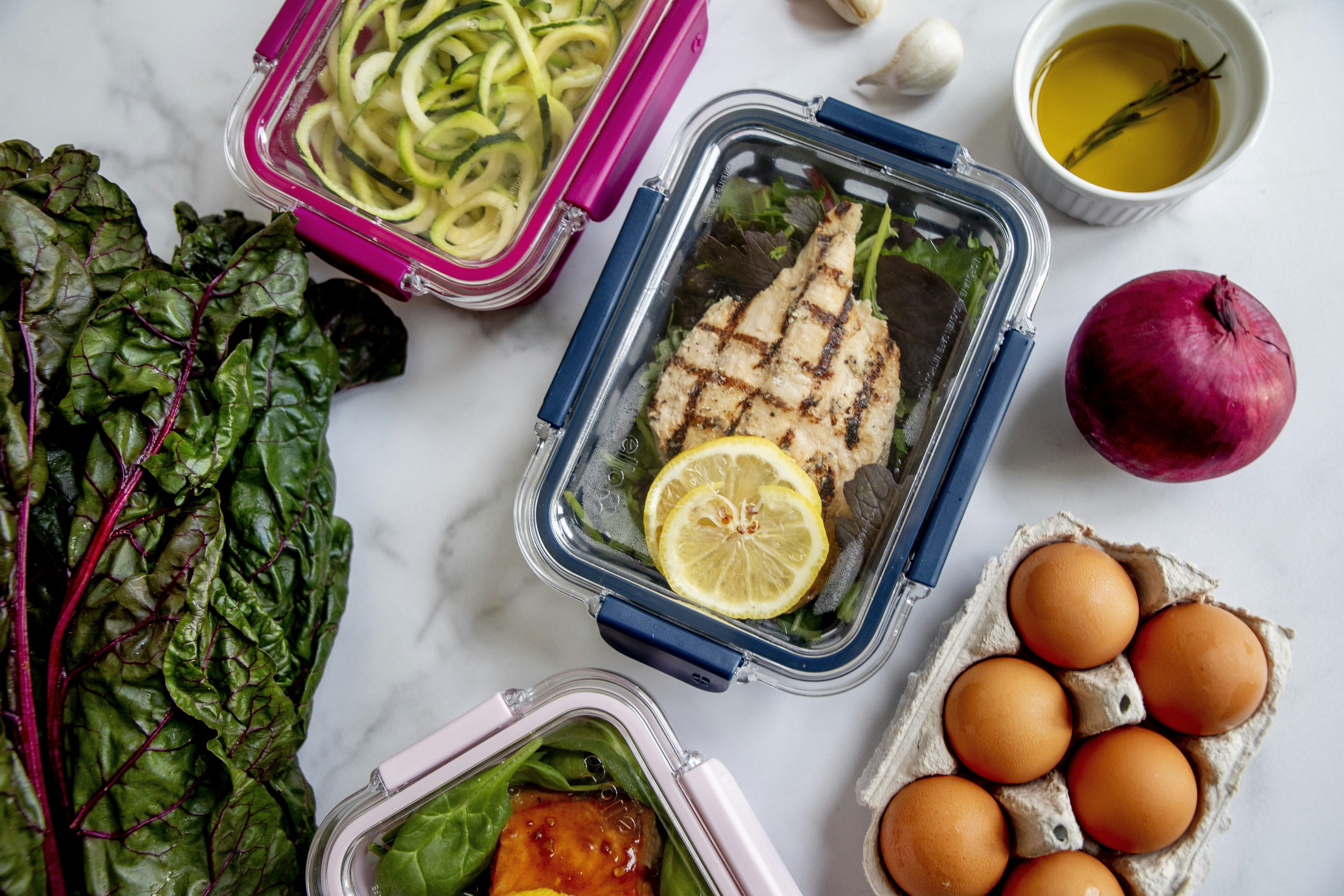
- Prepare meals ahead of time to reduce unhealthy choices.
Common Weight Loss Mistakes to Avoid
- Skipping meals
- Eating too little protein
- Relying on processed “diet” foods
- Drinking sugary beverages
- Ignoring portion sizes
- Following extreme fad diets
- Neglecting exercise and sleep
Building sustainable habits is far more effective than seeking quick fixes.
Final Thoughts
Choosing the Best Foods for Sustainable Weight Loss is one of the smartest ways to improve your health while reaching your weight goals. Whole foods rich in protein, fiber, healthy fats, and essential nutrients help control hunger, support metabolism, and provide lasting energy.
Remember that no single food causes weight loss on its own. Long-term success comes from combining nutritious eating, regular physical activity, quality sleep, hydration, and consistency. Start by adding more of these evidence-based foods to your meals, and focus on gradual, sustainable changes that you can maintain for years to come.
Frequently Asked Questions (FAQ)
What are the best foods for sustainable weight loss?
Foods rich in protein, fiber, and healthy fats such as leafy greens, lean meats, legumes, Greek yogurt, berries, oats, salmon, and nuts are among the best choices.
Can I lose weight without eliminating carbohydrates?
Yes. Whole grains, oats, quinoa, brown rice, and sweet potatoes provide healthy carbohydrates that support energy and satiety.
Which foods keep you full the longest?
Protein-rich foods like eggs, Greek yogurt, chicken, beans, and fiber-rich vegetables help keep you satisfied for longer.
Are healthy fats good for weight loss?
Yes. Healthy fats from avocados, nuts, seeds, and olive oil improve satiety and support heart health when eaten in moderation.
Does green tea help with weight loss?
Green tea may slightly increase calorie burning due to its catechins and caffeine, but it works best alongside a healthy diet and regular exercise.
How much protein should I eat for weight loss?
Most adults benefit from approximately 1.2–1.6 grams of protein per kilogram of body weight, depending on activity level. Consult a healthcare professional for personalized advice.
Can meal prepping help with weight loss?
Absolutely. Preparing healthy meals in advance reduces unhealthy food choices and improves portion control.
What lifestyle habits improve weight loss results?
Regular exercise, quality sleep, stress management, hydration, and mindful eating all support long-term weight management.