Table of Contents
Introduction
Everyone dreams of naturally radiant skin, but expensive skincare products aren’t the only answer. True skin health begins from within. The foods you eat every day provide the vitamins, minerals, antioxidants, and healthy fats your skin needs to stay hydrated, repair damage, and maintain a youthful glow.
If your goal is smoother, brighter, and healthier-looking skin, your diet matters just as much as your skincare routine. The Best Foods for Clear Glowing Skin can help fight inflammation, support collagen production, protect against environmental damage, and improve your complexion naturally.
In this guide, you’ll discover the top nutrient-rich foods that nourish your skin from the inside out, along with simple lifestyle tips to help you achieve lasting, healthy skin.
Why Nutrition Matters for Healthy Skin
Your skin is the body’s largest organ, constantly renewing itself and protecting you from environmental damage. To perform these functions effectively, it requires a steady supply of nutrients.
Poor nutrition may contribute to:
- Dry skin
- Premature aging
- Acne breakouts
- Dull complexion
- Slower wound healing
- Uneven skin tone
On the other hand, a balanced diet rich in vitamins, antioxidants, healthy fats, and hydration supports healthy skin cells and promotes a natural glow.
1. Leafy Greens
Spinach, kale, Swiss chard, and arugula are among the Best Foods for Clear Glowing Skin because they’re loaded with vitamins A, C, E, and K.
Benefits
- Helps reduce inflammation
- Supports collagen production
- Protects against free radicals
- Improves skin repair
Easy Ways to Eat More
- Add spinach to smoothies.
- Toss kale into salads.
- Sauté greens as a side dish.
2. Berries
Blueberries, strawberries, raspberries, and blackberries are packed with antioxidants that help protect skin cells from damage.
Benefits
- Fight oxidative stress
- Reduce signs of aging
- Support collagen formation
- Promote brighter skin
Enjoy berries with yogurt, oatmeal, or smoothies.
3. Avocados
Avocados are rich in healthy monounsaturated fats and vitamin E, making them excellent for skin hydration.
Benefits
- Keeps skin soft
- Improves elasticity
- Supports skin barrier function
- Helps reduce dryness
Add avocado to toast, salads, or sandwiches.
4. Citrus Fruits
Oranges, lemons, grapefruit, and limes are excellent sources of vitamin C.
Vitamin C helps your body produce collagen, which keeps skin firm and youthful.
Benefits
- Boosts collagen
- Brightens complexion
- Supports wound healing
- Protects against sun damage
5. Fatty Fish
Salmon, sardines, trout, and mackerel contain omega-3 fatty acids.
Benefits
- Reduce inflammation
- Improve skin hydration
- Help calm redness
- Support healthy skin cells
Aim for two servings each week.
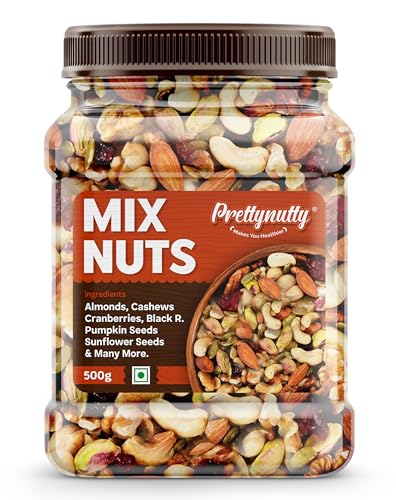
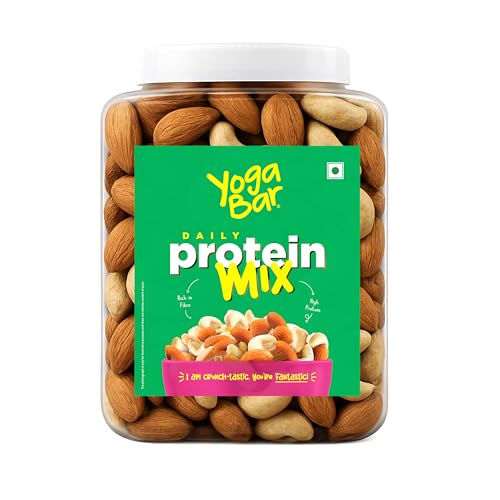
6. Nuts and Seeds
Walnuts, almonds, flaxseeds, pumpkin seeds, and chia seeds are nutritional powerhouses.
Benefits
- Rich in vitamin E
- Provide zinc
- Support skin repair
- Help reduce inflammation
A small handful makes an excellent snack.
7. Sweet Potatoes
Sweet potatoes contain beta-carotene, which the body converts into vitamin A.
Benefits
- Supports healthy skin cells
- Helps maintain smooth skin
- May provide natural protection against UV damage
Roast or bake for a nutritious side dish.
8. Tomatoes
Tomatoes contain lycopene, one of nature’s most powerful antioxidants.
Benefits
- Helps protect skin from sun damage
- Supports smoother skin
- Reduces oxidative stress
Cooked tomatoes provide even more available lycopene.
9. Green Tea
Green tea contains catechins that support healthy skin.
Benefits
- Helps reduce inflammation
- Protects against free radicals
- May improve skin elasticity
Replace sugary drinks with green tea for added benefits.
10. Dark Chocolate (In Moderation)
High-quality dark chocolate with at least 70% cocoa contains flavonoids.
Benefits
- Supports circulation
- Improves skin hydration
- Protects against UV damage
Enjoy in moderation.
11. Bell Peppers
Red, yellow, and orange peppers contain vitamin C and beta-carotene.
These nutrients promote collagen production and healthy skin repair.
12. Eggs
Eggs supply protein, biotin, and essential amino acids.
Healthy protein supports the repair and regeneration of skin tissue.
13. Yogurt
Plain Greek yogurt provides probiotics that support gut health.
A healthier gut may contribute to reduced inflammation and healthier-looking skin.
Choose unsweetened varieties whenever possible.
14. Watermelon
Watermelon contains over 90% water, helping maintain skin hydration.
It also provides vitamins A and C for skin health.
15. Olive Oil
Extra virgin olive oil is a staple of the Mediterranean diet and an excellent source of healthy fats.
Benefits include:
- Improved hydration
- Reduced inflammation
- Better skin elasticity
Use it in salad dressings or for light cooking.
Nutrients That Support Beautiful Skin
Vitamin C
Supports collagen production and antioxidant protection.
Vitamin E
Helps protect skin from environmental damage.
Omega-3 Fatty Acids
Maintain skin hydration and reduce inflammation.
Zinc
Supports wound healing and acne management.
Beta-Carotene
Promotes healthy skin renewal.
Selenium
Protects skin cells from oxidative stress.
Foods That May Affect Skin Health
While no single food causes skin problems for everyone, some people find it helpful to limit:
- Sugary beverages
- Ultra-processed foods
- Excess refined carbohydrates
- Excessive alcohol
- Deep-fried foods
Keeping a food journal may help identify personal triggers.
Lifestyle Tips for Naturally Glowing Skin
Healthy skin isn’t only about food.
For the best results:
- Drink plenty of water.
- Sleep 7–9 hours nightly.
- Exercise regularly.
- Wear sunscreen daily.
- Manage stress.
- Avoid smoking.
- Follow a consistent skincare routine.
Together, these habits complement the Best Foods for Clear Glowing Skin and support long-term skin health.
Sample One-Day Skin-Friendly Meal Plan
Breakfast
Greek yogurt with berries, walnuts, and chia seeds.
Snack
Orange and almonds.
Lunch
Grilled salmon with quinoa and spinach salad.
Snack
Carrot sticks with hummus.
Dinner
Roasted sweet potatoes, grilled chicken, broccoli, and avocado salad.
Drinks
Water, herbal tea, or green tea throughout the day.
Common Mistakes to Avoid
- Drinking too little water
- Eating excessive added sugar
- Skipping vegetables
- Following crash diets
- Ignoring healthy fats
- Not getting enough sleep
Healthy skin develops through consistent habits rather than quick fixes.
Final Thoughts
Beautiful skin starts with healthy nutrition. By regularly eating the Best Foods for Clear Glowing Skin, you’re giving your body the essential nutrients it needs to repair, protect, and nourish your skin naturally.
Leafy greens, berries, citrus fruits, fatty fish, nuts, seeds, avocados, and other whole foods work together to support collagen production, reduce inflammation, improve hydration, and promote a naturally radiant complexion.
Remember that glowing skin is the result of a balanced lifestyle. Combine nutritious foods with adequate hydration, quality sleep, regular exercise, stress management, and a good skincare routine to enjoy healthier skin from the inside out.
Small daily choices create lasting results—and your skin will thank you for them.
Frequently Asked Questions (FAQ)
What are the best foods for clear glowing skin?
The best foods include leafy greens, berries, avocados, citrus fruits, salmon, nuts, seeds, sweet potatoes, tomatoes, and green tea because they provide antioxidants, vitamins, and healthy fats.
Which vitamin is best for glowing skin?
Vitamin C is one of the most important vitamins for glowing skin because it supports collagen production and protects against free radical damage.
Can diet improve acne?
Yes. A balanced diet rich in vegetables, fruits, healthy fats, and whole grains may help reduce inflammation and support clearer skin. Results vary by individual.
Which fruits help improve skin naturally?
Oranges, strawberries, blueberries, kiwi, watermelon, papaya, and avocado are excellent fruits for healthy, glowing skin.
Are healthy fats good for the skin?
Yes. Healthy fats from avocados, walnuts, almonds, chia seeds, flaxseeds, and fatty fish help keep skin moisturized and support its protective barrier.
How much water should I drink for healthy skin?
Most adults should aim for around 2–3 liters (8–10 glasses) of water daily, depending on activity level, climate, and individual needs.
Which foods should I avoid for healthier skin?
Limiting sugary drinks, highly processed foods, excessive alcohol, and trans fats may benefit overall skin health for some people.
Does collagen come only from supplements?
No. Your body naturally produces collagen. Eating foods rich in vitamin C, protein, zinc, and copper helps support natural collagen production.
Can green tea improve skin health?
Yes. Green tea contains antioxidants called catechins that may help reduce inflammation and protect the skin from environmental damage.
How long does it take for diet changes to improve skin?
Many people notice improvements within 4–8 weeks, although results depend on overall diet, lifestyle, skincare routine, sleep, and underlying health conditions.