
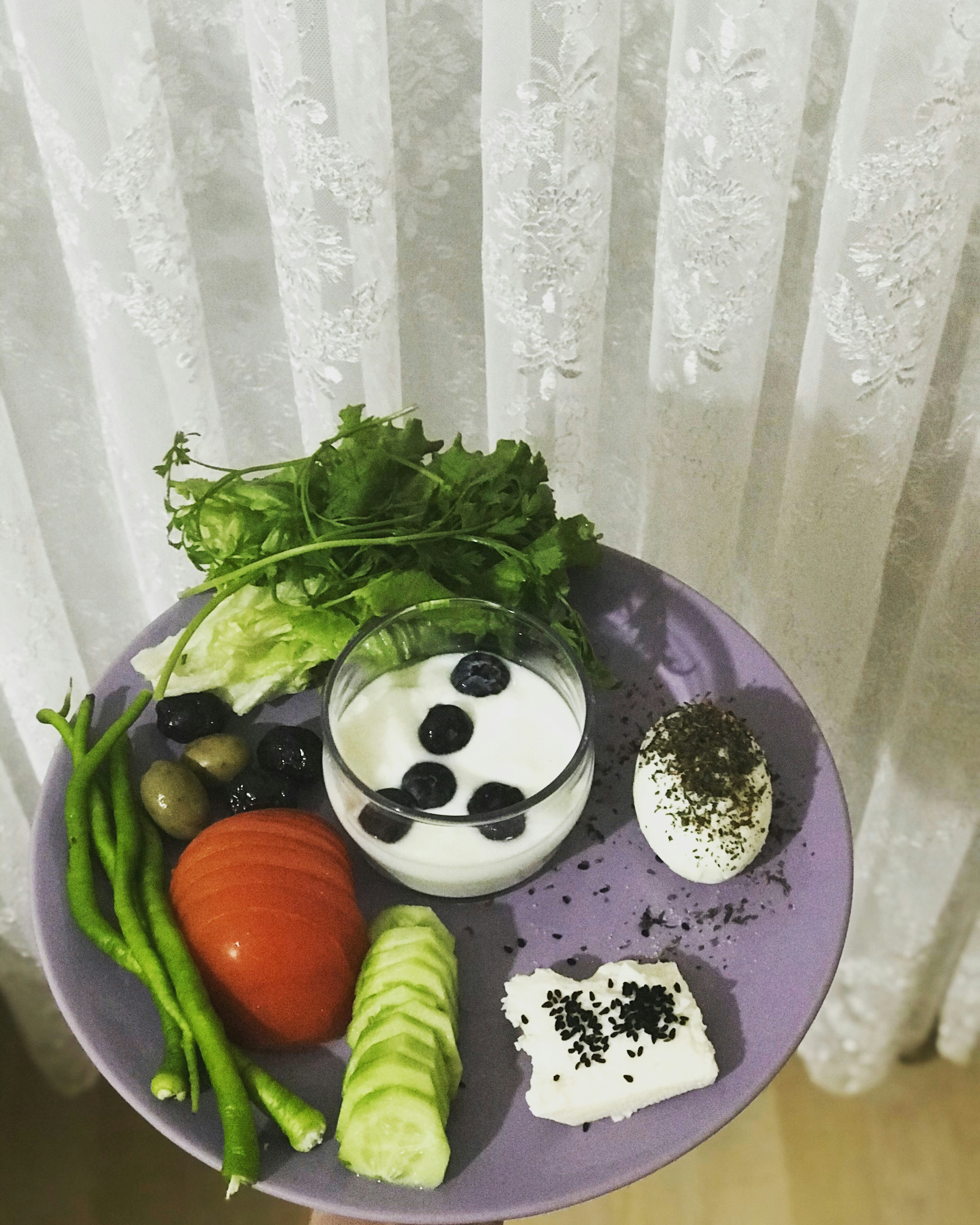
Introduction to the Mediterranean Diet
The Mediterranean diet is a nutritional approach inspired by the traditional eating habits of countries bordering the Mediterranean Sea, including Greece, Italy, and Spain. It is distinguished by its emphasis on whole foods, seasonal fruits and vegetables, whole grains, healthy fats, and lean proteins. This dietary pattern is not just about food; it’s a lifestyle that promotes social interactions and physical activity, making it a holistic approach to health and well-being.
Originating from a rich historical and cultural background, the Mediterranean diet has garnered immense popularity over the years due to its numerous health benefits. Researchers have consistently shown that adherence to this diet is associated with reduced risk factors for various chronic diseases, particularly cardiovascular disorders. Heart health is a central focus of this diet, which incorporates heart-healthy fats such as olive oil, nuts, and fatty fish. These foods are known to lower bad cholesterol levels while simultaneously raising good cholesterol levels, contributing to overall cardiovascular wellness.
Eating like the Greeks, who have long celebrated the benefits of this diet, highlights the simplicity and richness of its culinary practices. By embracing whole foods and traditional cooking methods, individuals can enjoy a wide variety of flavors and textures, making healthy eating a delightful experience. Importantly, the Mediterranean diet promotes a plant-based eating style, advocating the intake of legumes, fruits, and vegetables as staples. This not only provides essential nutrients but also supports sustainable agricultural practices.
In addition to its health benefits, the Mediterranean diet encourages a sociocultural aspect of eating, fostering communal meals and family gatherings. This enhances the enjoyment of food while strengthening social bonds, contributing positively to mental well-being. The combination of delicious food, vibrant social experiences, and health improvements makes the Mediterranean diet a timeless and effective approach to nutrition that remains relevant today.
Key Components of the Mediterranean Diet
The Mediterranean diet is renowned for its heart-healthy benefits and delicious diversity, characterized by a variety of food groups that promote overall health. The first key component consists of fruits and vegetables, which are essential in providing vitamins, minerals, and antioxidants. Foods such as tomatoes, spinach, and citrus fruits not only add flavor but also offer significant health benefits, including reduced risk of chronic diseases.
Whole grains form another critical aspect of the Mediterranean diet. Foods like brown rice, quinoa, farro, and whole grain bread are excellent sources of dietary fiber, which aids in digestion and helps maintain stable blood sugar levels. The incorporation of these grains in meals also ensures a steady energy supply throughout the day.
Lean proteins represent the third component of this dietary pattern. The Mediterranean diet emphasizes the consumption of fish and poultry over red meat, with options such as salmon, sardines, and chicken being favored. These proteins are rich in essential fatty acids and nutrients, contributing to better heart health and aiding in muscle maintenance.
Healthy fats are another vital element, primarily sourced from olive oil, nuts, and seeds. Unlike saturated fats, these unsaturated fats support cardiovascular health by lowering cholesterol levels. For instance, olive oil, a staple in Mediterranean cuisine, is not only a cooking agent but also enhances flavor while providing anti-inflammatory properties.
In summary, the Mediterranean diet’s key components—fruits and vegetables, whole grains, lean proteins, and healthy fats—work synergistically to promote overall health. By focusing on these food groups, individuals can enjoy a balanced intake of nutrients while reaping the delicious flavors this diet has to offer.
Specific Foods to Include in Your Mediterranean Diet
The Mediterranean diet offers a rich variety of foods that align with its principles of health and flavor. One key approach is to prioritize seasonal and local ingredients. Here is a categorized list of specific foods to consider incorporating into your meals.
Fruits: Fruits form an essential part of the Mediterranean diet. Opt for seasonal fruits such as oranges, figs, cherries, and berries. These fruits not only provide valuable vitamins and antioxidants but also add natural sweetness to dishes. Enjoy them fresh, in salads, or blended into smoothies for a refreshing treat.
Vegetables: Leafy greens like kale, spinach, and arugula are staples, along with a variety of colorful vegetables such as tomatoes, bell peppers, and zucchini. Incorporate these into salads, pastas, or roasted dishes. Seasonally available options ensure maximum freshness and flavor.
Grains: Whole grains such as quinoa, barley, and farro are preferred over refined grains. These ancient grains are rich in fiber and nutrients, making them a perfect base for salads or side dishes. Additionally, whole grain pasta can be used in Mediterranean recipes to maintain a healthy profile.
Proteins: Lean proteins play a vital role in this diet. Include fish such as salmon and sardines, along with legumes like chickpeas and lentils. These options provide essential fatty acids and proteins without excessive saturated fats. Opting for grilled or baked preparations enhances health benefits while maintaining flavor.
Dairy: Choose moderate amounts of dairy, focusing on low-fat options like Greek yogurt and feta cheese. These can be used in salads, dressings, or simply enjoyed as snacks, contributing to a balanced intake of nutrients.
Healthy Fats: The Mediterranean diet emphasizes healthy fats, particularly olive oil, which can be used for cooking or as a dressing. Nuts and seeds, such as almonds and chia seeds, are excellent for snacking or adding to dishes for crunch and nutrition.
By integrating these specific foods into your Mediterranean diet, you can enjoy a flavorful and healthful eating pattern. Experimenting with local, seasonal produce will not only enhance meals but also support sustainable eating practices.
Tips for Adopting the Mediterranean Diet Lifestyle
Transitioning to the Mediterranean diet can be a rewarding endeavor, offering not only numerous health benefits but also a delightful culinary experience. Here are several practical tips to help integrate this heart-healthy eating pattern into your daily routine.
Begin with meal planning, as this will lay the groundwork for your Mediterranean lifestyle. Allocate time each week to plan your meals and create a shopping list focused on whole, unprocessed foods. This should include a variety of fruits, vegetables, legumes, whole grains, healthy fats, and lean proteins. By preparing your meals ahead, you can avoid the temptation of unhealthy options during busy days.
When cooking at home, embrace methods that align with traditional Mediterranean practices. Opt for grilling, baking, steaming, and sautéing rather than frying. Using olive oil as your primary fat source is another essential component of the Mediterranean diet, as it offers both flavor and health benefits. Exploring herbs and spices instead of salt can enhance your meals while maintaining a wholesome approach.
Eating is also a social affair in Mediterranean cultures, emphasizing the importance of enjoying meals with family and friends. Make meal times a communal activity where you can share stories and engage in conversation, which contributes to a greater appreciation of the food. This practice not only enhances the enjoyment of your meals but also helps foster connections with others.
Overcoming common challenges—such as busy schedules or limited access to fresh ingredients—can be crucial for maintaining the Mediterranean diet. Consider preparing larger portions for leftovers or utilizing frozen fruits and vegetables when fresh options are not available. Joining a community supported agriculture (CSA) program can also provide access to seasonal produce.
By incorporating these strategies, the Mediterranean diet can become a sustainable lifestyle choice that is both delicious and healthful, allowing you to savor every moment while prioritizing your well-being.