all of them are nofollow https://healthbasehub.com
Table of Contents

Introduction to Heart Health (are external.)
Heart health is a critical aspect of overall well-being that cannot be overstated. Cardiovascular diseases (CVDs) remain the leading cause of death globally, accounting for approximately 31% of all fatalities each year. According to the World Health Organization, it is estimated that more than 17 million people die from heart-related diseases annually. Such alarming statistics highlight the urgency of prioritizing heart health and adopting preventive measures.
The significance of diet in safeguarding heart health is well recognized in medical literature. A balanced and nutrient-rich diet plays a vital role in reducing the risk of heart disease. Certain foods can contribute to heart health by lowering cholesterol levels, regulating blood pressure, and supporting healthy blood circulation. On the other hand, a diet high in saturated fats, trans fats, and excessive sugars can lead to increased cholesterol and blood pressure, heightening the risk of cardiovascular complications.
Various studies have shown that diets such as the Mediterranean or DASH (Dietary Approaches to Stop Hypertension) can effectively promote heart health. These diets emphasize the intake of whole grains, fruits, vegetables, lean proteins, and healthy fats, which are rich in antioxidants and anti-inflammatory properties. The consumption of omega-3 fatty acids, found in fatty fish, is particularly beneficial in reducing cardiovascular risk factors.
Conversely, foods rich in refined sugars and processed ingredients can negatively impact heart health. It is crucial to understand which foods contribute positively to heart function and which ones should be limited or avoided. This understanding will provide insights into how dietary choices are a fundamental aspect of maintaining a healthy heart.
Doctor Recommended Foods for a Healthy Heart
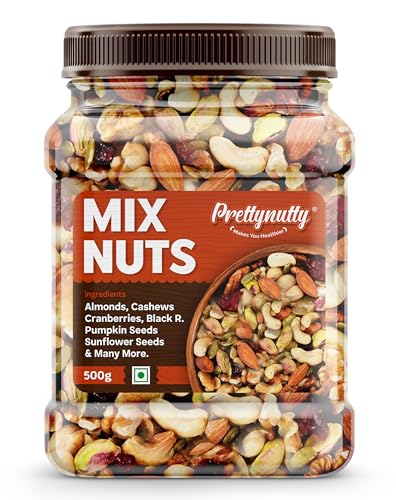
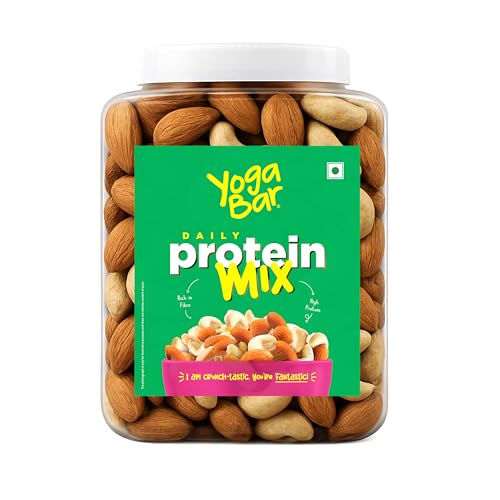
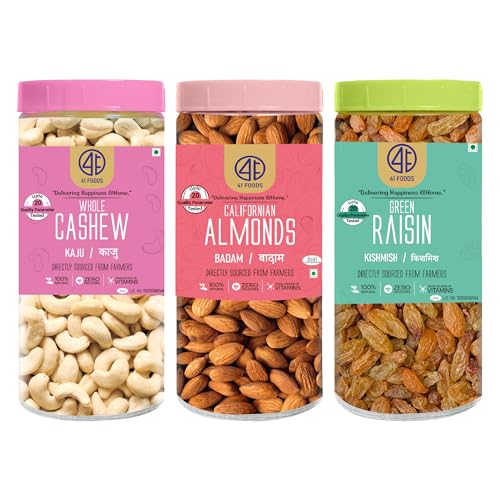
Maintaining heart health is crucial in today’s fast-paced world, and physicians emphasize the role of nutrition in achieving this goal. Certain foods are widely recommended by healthcare professionals due to their beneficial properties that support cardiovascular health. Here is a review of some of the most commonly endorsed options.
Fatty Fish: Fatty fish such as salmon, mackerel, and sardines are celebrated for their high content of omega-3 fatty acids. These nutrients are associated with a reduction in triglycerides and decreased risk of arrhythmias. The American Heart Association suggests consuming these types of fish at least twice a week for optimal heart function.
Nuts: Nuts, particularly walnuts, almonds, and pistachios, are rich in healthy fats, fiber, and protein. They can improve cholesterol levels and reduce inflammation. Studies indicate that regular nut consumption can lower the risk of coronary heart disease, making them an excellent snack for heart health.
Berries: Berries such as strawberries, blueberries, and blackberries are packed with antioxidants, vitamins, and fiber. Their natural compounds may help lower blood pressure and decrease the risk of heart disease. The Journal of American Heart Association has published research indicating that the regular intake of berries is linked to improved heart health outcomes.
Whole Grains: Foods like oats, brown rice, and quinoa are integral to a heart-healthy diet. They provide essential nutrients while helping to maintain healthy blood pressure and cholesterol levels. Health organizations recommend incorporating whole grains into meals to reap their cardiovascular benefits.
Leafy Greens: Vegetables such as spinach, kale, and Swiss chard are rich in vitamins, minerals, and antioxidants. They contain high amounts of vitamin K, which is crucial for maintaining healthy arteries. Studies suggest that eating leafy greens regularly may significantly contribute to lowering the risk of heart diseases.
Incorporating these doctor-recommended foods into one’s diet can lead to significant changes in heart health, promoting longevity and well-being.
Incorporating Heart-Healthy Foods into Your Diet
To effectively incorporate heart-healthy foods into your diet, it is essential to adopt practical tips and strategies that facilitate sustainable changes rather than temporary modifications. One of the most beneficial approaches is meal planning. By dedicating some time each week to plan your meals, you can ensure that you include a variety of heart-healthy ingredients, such as fruits, vegetables, whole grains, lean proteins, and healthy fats. This preemptive step not only simplifies grocery shopping but also helps in creating balanced meals, thereby reducing the likelihood of impulsive, unhealthy choices.
Another effective strategy is to explore different cooking methods. Opting for baking, steaming, grilling, or sautéing with minimal oil can enhance the nutritional value of your meals. For instance, replacing fried foods with baked or grilled alternatives allows you to enjoy familiar flavors while significantly reducing unhealthy fat intake. It is also beneficial to experiment with herbs and spices as flavor enhancers instead of relying on salt, thus contributing to heart health.
Portion control is equally important when introducing heart-healthy foods. Utilize smaller plates to help regulate serving sizes and prioritize vegetables on your plate, aiming for half of your meal to be filled with these nutrient-rich options. An effective way to apply this concept is by filling your plate with a variety of colorful vegetables, a serving of lean protein such as grilled chicken or fish, and a small portion of whole grains, such as brown rice or quinoa.
Lastly, to inspire daily meals, consider recipes like a vibrant quinoa salad tossed with fresh vegetables and a light vinaigrette, or a hearty vegetable stir-fry paired with brown rice. Incorporating these practical strategies can help ensure that heart-healthy foods become a seamless part of your everyday meals, encouraging lifelong habits that support cardiovascular wellness.
Conclusion and Additional Resources
In conclusion, maintaining heart health is closely linked to the choices we make regarding our diet. It is evident that incorporating heart-healthy foods, such as fruits, vegetables, whole grains, lean proteins, and healthy fats, can significantly impact overall cardiovascular health. Understanding the way different foods interact with the body and their effects on blood pressure, cholesterol levels, and inflammation is essential in safeguarding heart function. A holistic approach to nutrition not only promotes a healthy heart but also fosters overall well-being.
To further explore the relationship between diet and heart health, several resources are available for readers. The American Heart Association (AHA) provides a wealth of information regarding heart-healthy eating guidelines and recipes. Their website hosts a variety of articles, clinical studies, and health tips dedicated to cardiac wellness. Additionally, the National Institutes of Health (NIH) offers numerous research papers and health pamphlets that delve into specific dietary components beneficial for heart health.
For those interested in a more detailed understanding, the journal “Circulation” publishes frequently updated studies concerning cardiovascular nutrition and lifestyle modifications that can lead to improved heart health. Engaging with these resources can empower individuals to make informed dietary choices that contribute to long-term cardiovascular health.
Incorporating heart-healthy foods into daily meals is essential for promoting cardiovascular health and preventing heart disease. A doctor-approved heart diet emphasizes the importance of fruits, vegetables, whole grains, and lean proteins as the best foods for heart health. Adopting a heart-healthy diet plan not only aids in weight management but also supports overall nutrition for heart health. By prioritizing foods good for the heart, individuals can significantly enhance their heart care and contribute to a healthier future.
Moreover, the Mediterranean diet is often highlighted as a prime example of a heart-healthy eating pattern, emphasizing the consumption of fruits, vegetables, whole grains, and healthy fats. Implementing such dietary practices can significantly reduce the risk of heart disease and promote overall well-being. Consulting with healthcare professionals can also provide personalized dietary recommendations tailored to individual health needs. By prioritizing heart-healthy foods, individuals can take proactive steps toward enhancing their cardiovascular health.
all of them are external https://healthbasehub.com/daily-habits