Table of Contents
Understanding Fermentation
Fermentation is one of the oldest and most effective methods of preserving food, and it has been used by cultures around the world for thousands of years. Today, people are rediscovering the https://foodviews.in/best-foods-for-healthy-hair-growth/ HealthBenefits of Fermented Foods because they not only improve the flavor and shelf life of food but also support overall health and well-being.
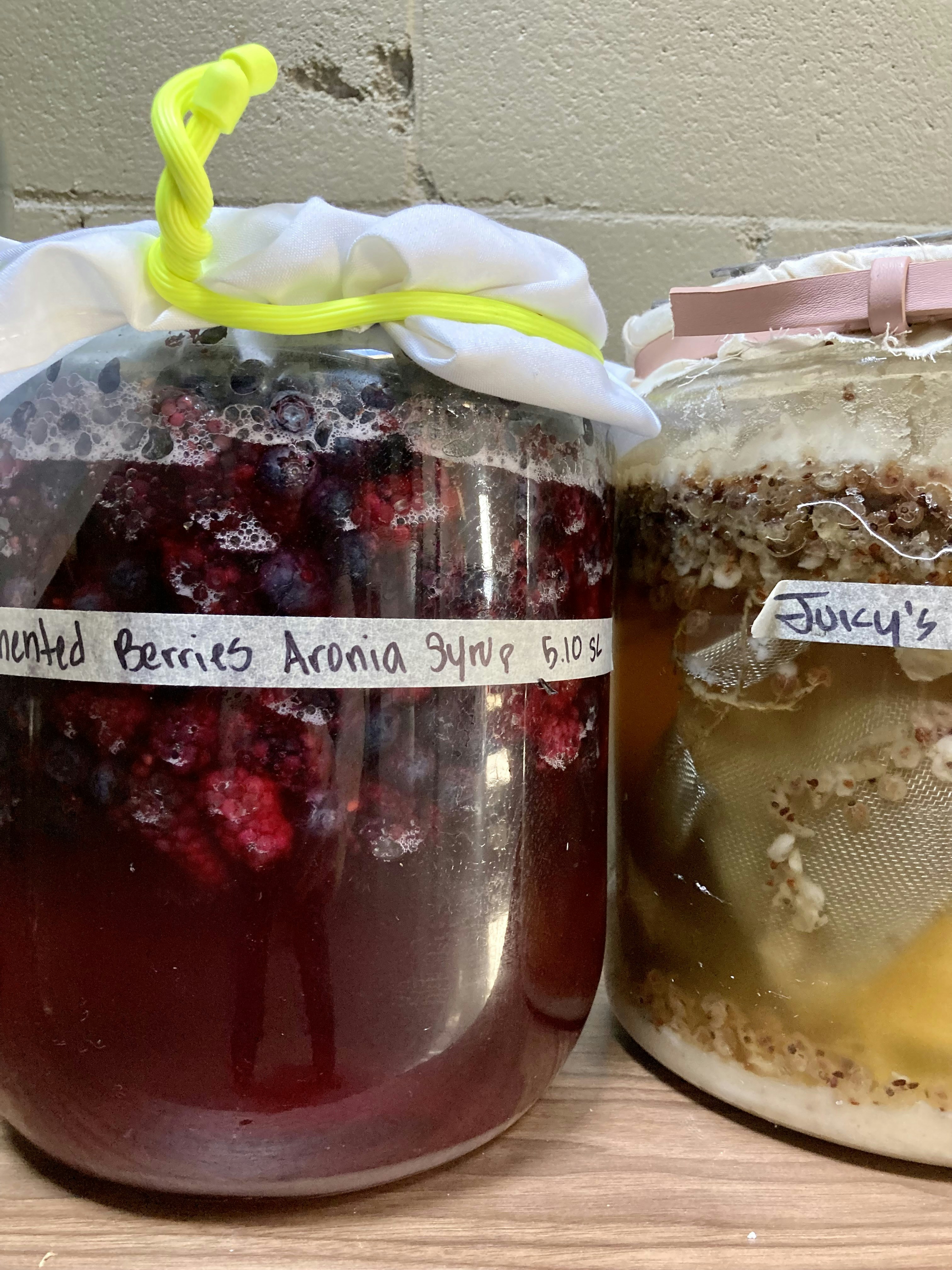
At its core, fermentation is a natural process in which beneficial microorganisms, such as bacteria and yeast, break down carbohydrates like sugars and starches into acids, gases, or alcohol. This process takes place in an oxygen-free (anaerobic) environment, allowing these microorganisms to thrive while transforming ordinary ingredients into nutritious, probiotic-rich foods.
Different microorganisms produce different types of fermented foods. Yeast is responsible for alcoholic fermentation, converting sugars into alcohol and carbon dioxide to create beverages like beer and wine. Lactic acid bacteria carry out lactic acid fermentation, producing popular foods such as yogurt, kefir, kimchi, and sauerkraut. These beneficial microbes not only help preserve food naturally but also enhance its taste, texture, and nutritional value.
The Health Benefits of Fermented Foods have made them an essential part of traditional diets across many cultures. In Korea, kimchi has been a household staple for generations, while countries across Europe have long enjoyed fermented beverages like kvass and fermented vegetables. These traditional foods were originally created to preserve seasonal harvests but have remained popular because of their nutritional benefits.
Modern research continues to highlight the Health Benefits of Fermented Foods, especially their role in supporting gut health. Many fermented foods contain probiotics—beneficial bacteria that help maintain a balanced gut microbiome. A healthy gut can improve digestion, strengthen the immune system, enhance nutrient absorption, and even contribute to better mental well-being through the gut-brain connection.
Adding fermented foods to your daily diet is a simple way to support long-term health. Whether you enjoy yogurt at breakfast, sip kombucha in the afternoon, or include kimchi or sauerkraut with your meals, these nutrient-rich foods provide natural probiotics and essential nutrients that help your body function at its best. By understanding the fermentation process and the Health Benefits of Fermented Foods, you can make informed dietary choices that promote better digestive health and overall wellness.gut health.
Frequently Asked Questions (FAQ)
What are fermented foods?
Fermented foods are foods and beverages produced through the action of beneficial microorganisms such as bacteria and yeast. Common examples include yogurt, kefir, kimchi, sauerkraut, kombucha, tempeh, and miso.
What are the health benefits of fermented foods?
The main health benefits of fermented foods include improved gut health, better digestion, enhanced immune function, increased nutrient absorption, and support for a healthy gut microbiome.
Which fermented foods contain the most probiotics?
Yogurt with live cultures, kefir, kimchi, sauerkraut, and kombucha are among the most popular probiotic-rich fermented foods. Look for products labeled “live and active cultures.”
Can fermented foods improve digestion?
Yes. Fermented foods help maintain a balanced gut microbiome and may reduce bloating, constipation, and other digestive discomforts when consumed regularly.
How often should I eat fermented foods?
For most healthy adults, eating one or two servings of fermented foods daily is a practical way to support gut health. Start with small amounts if you are new to probiotics.
Are fermented foods safe for everyone?
Most people can enjoy fermented foods safely. However, individuals with certain medical conditions, severe histamine intolerance, or compromised immune systems should consult a healthcare professional before significantly increasing intake.
What is the difference between fermentation and probiotics?
Fermentation is the process by which microorganisms transform food. Probiotics are the live beneficial microbes that may be present in some fermented foods and can support gut health when consumed in adequate amounts.
Can I make fermented foods at home?
Yes. Simple options such as sauerkraut, yogurt, and kombucha can be prepared at home using clean equipment, quality ingredients, and proper fermentation practices.