
Table of Contents
Understanding Metabolism and Why It Matters
Metabolism is the process your body uses to turn the food and drinks you consume into energy. This energy powers everything from breathing and digestion to movement, growth, and maintaining a stable internal balance. Without a healthy metabolism, your body would struggle to perform even the most basic functions.
One important part of metabolism is your basal metabolic rate (BMR), which is the number of calories your body burns while at rest. BMR makes up a large portion of the calories you use each day. Several factors affect it, including your age, gender, body composition, and overall health. People with more muscle mass generally have a higher BMR because muscle burns more calories than fat, even when the body is resting.
As we get older, muscle mass naturally decreases, which can slow down metabolism. Hormonal changes during different stages of life, such as puberty or menopause, may also influence how efficiently the body uses energy. In addition, men often have a slightly higher metabolic rate than women due to differences in muscle mass.
Understanding how metabolism works is an important step toward better weight management and overall wellness. When you know what affects your metabolic rate, you can make smarter lifestyle and dietary choices. This is where Foods That Naturally Boost Your Metabolism become especially valuable. Choosing nutrient-rich foods that support metabolic function can help your body burn energy more efficiently and maintain healthy energy levels throughout the day.
Incorporating Foods That Naturally Boost Your Metabolism into a balanced diet, along with regular exercise, proper hydration, and quality sleep, can contribute to healthier eating habits and improved energy expenditure. Rather than relying on quick fixes, focusing on long-term metabolic health is a more sustainable way to support weight management and overall well-being.
Top Foods That Naturally Boost Your Metabolism
Choosing the right foods can make a real difference in how efficiently your body burns calories. While no single food can dramatically speed up your metabolism overnight, adding metabolism-boosting foods to your daily diet can support healthy energy production, improve calorie burning, and help with long-term weight management. The best choices are nutrient-rich foods that provide protein, healthy fats, fiber, and natural compounds that encourage your body to work more efficiently.
1. Protein-Rich Foods
Protein is one of the most effective nutrients for supporting a healthy metabolism. Foods such as lean chicken, turkey, fish, eggs, beans, lentils, and Greek yogurt require more energy to digest than carbohydrates or fats. This process, known as the Thermic Effect of Food (TEF), helps your body burn more calories during digestion. Including protein at every meal also supports muscle growth, keeps you feeling full longer, and makes these some of the best natural metabolism boosters
2. Spicy Foods
Spicy ingredients like chili peppers contain capsaicin, a natural compound that can temporarily increase calorie burning through a process called thermogenesis. Although the effect is modest, regularly adding spicy foods to your meals may help support metabolism while also increasing feelings of fullness, making it easier to manage your daily calorie intake.
3. Healthy Fats
Healthy fats are essential for overall health and play an important role in maintaining a healthy metabolism. Foods like avocados, almonds, walnuts, chia seeds, flaxseeds, and extra virgin olive oil support hormone production, improve nutrient absorption, and provide long-lasting energy. These nutrient-dense options are excellent Foods That Naturally Boost Your Metabolism while keeping you satisfied between meals.
4. Fiber-Rich Foods
Fruits, vegetables, legumes, oats, brown rice, and whole grains are packed with dietary fiber, which supports healthy digestion and helps regulate blood sugar levels. Fiber slows digestion, keeps you feeling full for longer, and provides steady energy throughout the day. Including plenty of fiber-rich foods in your diet helps maintain a balanced metabolism and supports healthy weight management.
Build a Metabolism-Friendly Diet
The most effective way to support your metabolism is by eating a balanced diet filled with Foods That Naturally Boost Your Metabolism. Combining lean proteins, healthy fats, fiber-rich foods, and nutrient-dense vegetables provides your body with the fuel it needs to burn energy efficiently. When paired with regular exercise, proper hydration, quality sleep, and an active lifestyle, these healthy food choices can help improve your metabolism naturally and support your overall health.
Incorporating Metabolism-Boosting Foods into Your Diet
Integrating metabolism-boosting foods into your daily meals can be both simple and enjoyable. Start by identifying foods known for their thermogenic properties, such as lean proteins, green tea, spicy vegetables, and whole grains. A well-rounded approach includes incorporating these foods into a variety of recipes, enhancing both flavor and nutritional value.
One practical strategy is meal prepping. Allocate a few hours each week to prepare meals that incorporate metabolism-boosting ingredients. For instance, grilled chicken (a lean protein) can be marinated with spices and served alongside quinoa and steamed broccoli. Both the quinoa and broccoli offer essential nutrients while keeping your metabolism active. Storing these meals in portioned containers ensures easy access throughout the week, which helps you remain consistent with healthier choices.
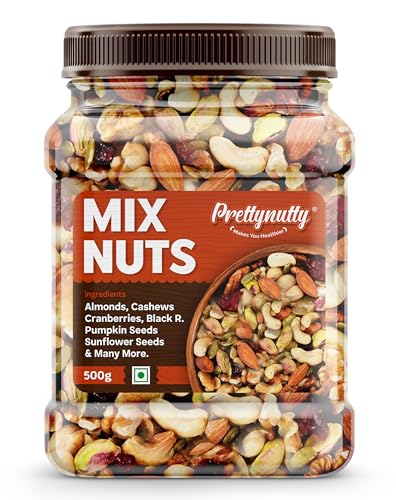
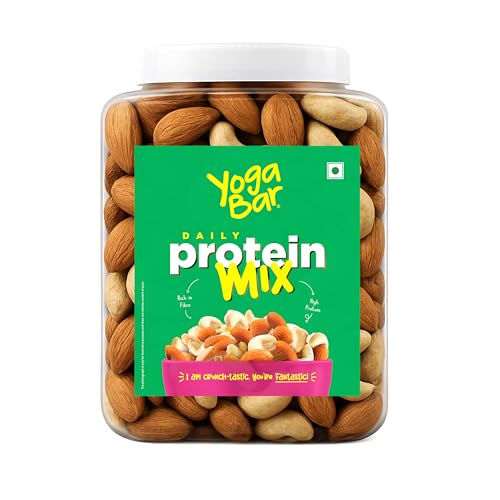
For snacks, consider nuts and seeds, as they are not only rich in healthy fats but also aid in raising your metabolism. A simple trail mix made from almonds, walnuts, and a sprinkle of dark chocolate can be a delicious pick-me-up. Similarly, yogurt topped with berries and a drizzle of honey makes for a balanced snack that supports your metabolic needs.
Challenges may arise when altering your diet, including cravings or difficulty sourcing certain ingredients. To overcome these hurdles, gradually introduce these foods into your meals rather than making drastic changes at once. Additionally, explore local farmers’ markets or grocery stores for fresh produce to enhance your meal planning efforts.
By creatively integrating metabolism-boosting foods into your diet and preparing meals in advance, you can establish sustainable eating habits that not only support your metabolism but also enhance your overall health.
The Bigger Picture: Lifestyle Habits for a Healthy Metabolism
While the consumption of specific foods is vital in enhancing metabolic health, it is essential to recognize that other lifestyle habits play a crucial role in this process. Regular physical activity stands out as one of the most effective methods to naturally boost metabolism. Engaging in aerobic exercises, resistance training, and even simple activities such as walking can significantly elevate resting metabolic rate over time. Exercise not only facilitates calorie burning but also helps in building muscle mass, which further assists in increasing the overall metabolic rate.
Staying adequately hydrated is another essential habit that supports metabolic function. Water plays a key role in various metabolic processes, including digestion and nutrient absorption. Studies have suggested that drinking water can temporarily increase the metabolic rate, making it beneficial for those aiming to lose weight. It is advisable to aim for an adequate intake of water daily to support these functions.
Sleep quality is often overlooked in discussions about metabolism; however, it is integral to health. Lack of adequate sleep can negatively impact metabolism by altering hormone levels related to appetite and energy expenditure. Therefore, establishing a regular sleep schedule and ensuring restorative sleep can dramatically enhance metabolic health.
Furthermore, managing stress levels is crucial for maintaining metabolic efficiency. Chronic stress can lead to hormonal imbalances, which may affect how efficiently the body uses energy. Techniques such as mindfulness, meditation, and other stress-reduction practices can help in creating a more balanced body chemistry that favors a healthier metabolism.
In summary, integrating these lifestyle habits—alongside the consumption of metabolism-boosting foods—creates a holistic approach to enhancing metabolic health. This balanced strategy is fundamental for effective weight management and overall well-being.
Frequently Asked Questions (FAQ)
What foods naturally boost your metabolism?
Protein-rich foods like eggs, chicken, fish, beans, and Greek yogurt, along with spicy foods, green tea, whole grains, nuts, and healthy fats, can naturally help boost your metabolism.
Do metabolism-boosting foods help with weight loss?
Yes. Foods that naturally boost your metabolism can increase calorie burning, improve satiety, and support healthy weight management when combined with regular exercise and a balanced diet.
Which protein foods are best for boosting metabolism?
Lean chicken, turkey, fish, eggs, tofu, beans, lentils, and Greek yogurt are excellent protein-rich foods that increase the thermic effect of food (TEF), helping your body burn more calories during digestion.
Can spicy foods increase metabolism?
Yes. Chili peppers contain capsaicin, a natural compound that temporarily increases calorie burning and thermogenesis, helping support a healthy metabolism.
Are healthy fats good for metabolism?
Absolutely. Healthy fats from avocados, olive oil, nuts, and seeds help regulate hormones, improve nutrient absorption, and provide lasting energy, all of which support metabolic health.
Does drinking water increase metabolism?
Yes. Staying hydrated supports digestion and nutrient transport. Drinking water may temporarily increase calorie burning and improve overall metabolic function.
What lifestyle habits support a healthy metabolism?
Regular exercise, strength training, adequate sleep, stress management, eating enough protein, staying hydrated, and consuming nutrient-rich foods all contribute to a healthy metabolism.
How often should I eat metabolism-boosting foods?
You can include metabolism-boosting foods in every meal as part of a balanced diet. Consistency is more important than eating any single “superfood.”