Understanding the Importance of Fiber in Digestion
Dietary fiber, a type of carbohydrate, plays a vital role in the digestive process. Unlike other carbohydrates, fiber is not digested by the body but instead travels through the gastrointestinal tract, aiding in various bodily functions. Fiber can be categorized into two distinct types: soluble and insoluble. Soluble fiber dissolves in water, forming a gel-like substance. This type of fiber is known to help regulate blood sugar levels and lower cholesterol. It is commonly found in foods such as oats, beans, and certain fruits. On the other hand, insoluble fiber does not dissolve in water and adds bulk to the stool, facilitating its passage through the digestive system. Foods rich in insoluble fiber include whole grains, nuts, and vegetables.
The benefits of incorporating fiber into one’s diet extend beyond simple digestion. Consuming sufficient amounts of dietary fiber is essential for promoting healthy bowel movements and preventing constipation. Fiber adds bulk to the stool, which not only helps maintain regularity but also aids in preventing digestive disorders such as diverticulitis and hemorrhoids. Furthermore, high-fiber foods can contribute to a feeling of fullness, thus aiding in weight management by reducing overall calorie intake.
Additionally, a fiber-rich diet can support gut health by fostering the growth of beneficial gut bacteria. These bacteria ferment soluble fiber, producing short-chain fatty acids that serve as an energy source for colon cells and may reduce inflammation. High-fiber diets are also associated with a reduced risk of chronic diseases, including type 2 diabetes and cardiovascular disease. By understanding the crucial role that fiber plays in digestion, individuals can make informed dietary choices to enhance their overall health and well-being.
Top 10 High-Fiber Foods for Better Digestion
Incorporating high-fiber foods into your diet is essential for supporting healthy digestion and maintaining satiety. Here are ten high-fiber foods, along with their nutritional information and health benefits:
1. Lentils: Lentils provide about 15.6 grams of fiber per cooked cup. They contain soluble and insoluble fiber, which aid in digestion and help regulate blood sugar levels. Easily added to soups, salads, or as a side dish, lentils are a versatile option.
2. Chia Seeds: With around 10 grams of fiber per ounce, chia seeds are rich in soluble fiber, promoting digestive health by forming a gel-like substance in the stomach. They can be added to smoothies, yogurt, or cereals for an easy fiber boost.
3. Oats: A great breakfast choice, oats contain about 4 grams of fiber per cup when cooked. The soluble fiber beta-glucan in oats can help improve gut health and aid in cholesterol management.
4. Quinoa: Quinoa is a high-fiber whole grain, providing approximately 5 grams of fiber per cooked cup. Its unique combination of amino acids and fiber makes it a great option for salads and bowls.
5. Raspberries: With around 8 grams of fiber per cup, raspberries are an excellent source of dietary fiber, beneficial for enhancing gut health. They can be enjoyed fresh, in smoothies, or topped on oatmeal.
6. Artichokes: Artichokes are packed with fiber, offering about 10 grams per medium-sized artichoke. Artichoke fiber can increase feelings of fullness and benefit gut bacteria.
7. Split Peas: Containing about 16.3 grams of fiber per cooked cup, split peas are rich in soluble fiber which aids digestion. They are perfect for soups or purees, adding texture and nutrition.
8. Apples: An average apple has about 4 grams of fiber. The skin contains insoluble fiber, which is excellent for digestive health. Apples can be eaten raw, baked, or added to salads.
9. Broccoli: This cruciferous vegetable provides about 5 grams of fiber per cooked cup. Broccoli is known for its health benefits, including bolstering digestive health and providing important nutrients.
10. Black Beans: Black beans contain about 15 grams of fiber per cooked cup, combining both soluble and insoluble fibers. They can be incorporated into various dishes, from salads to burritos.
By integrating these ten high-fiber foods into daily meals, individuals can significantly improve their fiber intake, promote better digestion, and experience enhanced fullness throughout the day.
How Fiber Helps You Feel Full Longer
Fiber plays a crucial role in promoting satiety and reducing hunger, evolving as a key component in maintaining a balanced diet. When consumed, fiber-rich foods engage the digestive system differently compared to low-fiber counterparts. The fundamental mechanism by which fiber aids in increasing feelings of fullness lies in its ability to slow down the digestion process. This deceleration not only prolongs the time food spends in the stomach but also contributes to a steadier release of energy, preventing abrupt spikes or drops in blood sugar levels.
As fiber moves through the gastrointestinal tract, it absorbs water and expands in the stomach, creating a bulkiness that signals the brain to indicate fullness. This process not only helps to control appetite but also encourages more substantial meal portions, thereby mitigating the tendency to snack impulsively between meals. In contrast, low-fiber diets often result in quicker digestion and less satiety, leading to a cycle of frequent snacking and larger overall food intake.
Furthermore, some types of dietary fiber, such as soluble fiber, gel when combined with liquids, forming a thick solution that physically occupies space in the stomach. This contributes to the sensation of fullness, which can significantly assist individuals aiming for weight management. By incorporating high-fiber foods into meals, individuals can enhance their capacity to feel satisfied, thus allowing for more controlled portion sizes throughout the day.
Adopting a diet rich in fiber may empower individuals to make smarter food choices by naturally curbing hunger. This knowledge is particularly beneficial for those seeking to balance their appetite with healthy eating habits. Understanding the importance of fiber can ultimately lead to greater success in maintaining a healthy lifestyle.
Incorporating High-Fiber Foods into Your Diet: Tips and Recipes
Integrating high-fiber foods into your diet can be both simple and enjoyable. By adopting various meal preparation strategies and trying new recipes, you can enhance your fiber intake while savoring a variety of flavors. One effective method is to swap out low-fiber ingredients for their high-fiber counterparts. For instance, substituting white rice with quinoa not only boosts fiber content but also provides additional protein and nutrients, making your meal more satisfying.
Another easy way to incorporate fiber into your daily meals is by adding legumes. Beans, lentils, and chickpeas are excellent sources of fiber and can be introduced into salads, soups, or stews. A simple recipe could be a hearty lentil soup, which combines lentils, diced tomatoes, carrots, and spices, cooked to perfection for a cozy and fulfilling dish. Additionally, including nuts and seeds in snacks or breakfast can significantly increase your fiber intake. A handful of almonds or a sprinkle of chia seeds over your yogurt can transform it into a nourishing meal.
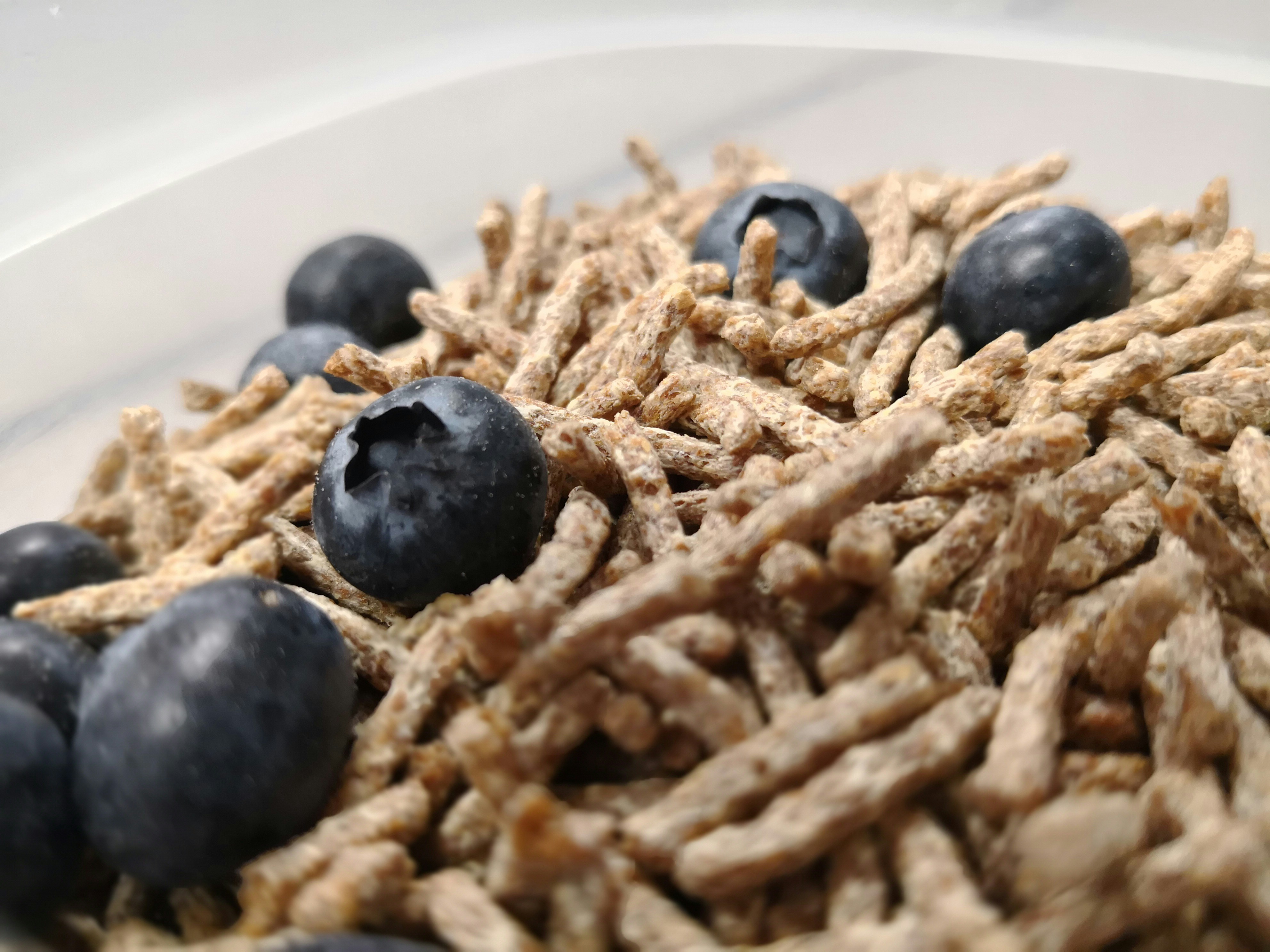
For breakfast, consider oatmeal made with rolled oats topped with berries and a tablespoon of flaxseeds. This combination will provide lasting energy and keep you feeling full throughout the morning. You can also bake high-fiber muffins using whole grain flour, oats, and an assortment of fruits or nuts. These make for convenient on-the-go snacks that are both nutritious and fiber-rich.
Utilizing frozen vegetables in your meals is another smart strategy. These can be easily added to stir-fries, casseroles, or smoothies. When planning meals, aim for at least one high-fiber food in each dish and store prepared snacks like veggie sticks or fruit for quick access. By being creative and making simple substitutions, increasing your fiber intake can seamlessly fit into your lifestyle.