Table of Contents
Introduction
Portion Control Tips can make a remarkable difference in your health without forcing you to give up your favorite foods. Many people believe they need strict diets or complicated meal plans to lose weight and improve their eating habits. In reality, simply learning how much to eat is often more effective than constantly worrying about what to eat.
Modern lifestyles have made oversized portions the norm. Restaurant meals, packaged snacks, and sugary beverages often contain far more calories than our bodies need. As a result, it’s easy to overeat without even realizing it.
The good news is that Portion Control Tips are practical, sustainable, and suitable for almost any eating pattern. Rather than restricting foods, portion control encourages balance, helping you enjoy satisfying meals while maintaining a healthy weight.
In this guide, you’ll learn why portion control matters, discover science-backed strategies that truly work, and find simple ways to build healthier eating habits for life.
Table of Contents
- What Is Portion Control?
- Why Portion Sizes Matter
- Common Reasons We Overeat
- Portion Control Tips That Actually Work
- Mindful Eating and Portion Awareness
- Portion Guide for Different Food Groups
- Healthy Meal Planning
- Portion Control When Eating Out
- Common Mistakes to Avoid
- Building Long-Term Healthy Habits
- Final Thoughts
- Frequently Asked Questions
What Is Portion Control?
Portion control refers to choosing the right amount of food for your body’s energy needs. It’s important to understand the difference between a serving size and a portion size.
- Serving size: A standardized amount listed on nutrition labels.
- Portion size: The amount you actually choose to eat.
Learning Portion Control Tips helps you enjoy meals without consistently consuming excess calories.
Why Portion Sizes Matter
Over the past several decades, portion sizes have increased dramatically. Larger plates, oversized restaurant meals, and family-sized snack packages often encourage people to eat more than necessary.
Research consistently shows that larger portions lead to increased calorie intake, even when people aren’t especially hungry.
Practicing portion awareness can help:
- Prevent overeating
- Support healthy weight management
- Improve digestion
- Reduce food waste
- Encourage mindful eating
Common Reasons We Overeat
Understanding why we overeat makes it easier to change our habits.
Eating Too Quickly
The brain usually needs about 20 minutes to recognize fullness.
Emotional Eating
Stress, boredom, anxiety, and sadness often trigger unnecessary eating.
Large Plates
People naturally serve themselves more food on larger dishes.
Distractions
Watching TV or scrolling through a phone while eating makes it easy to ignore fullness signals.
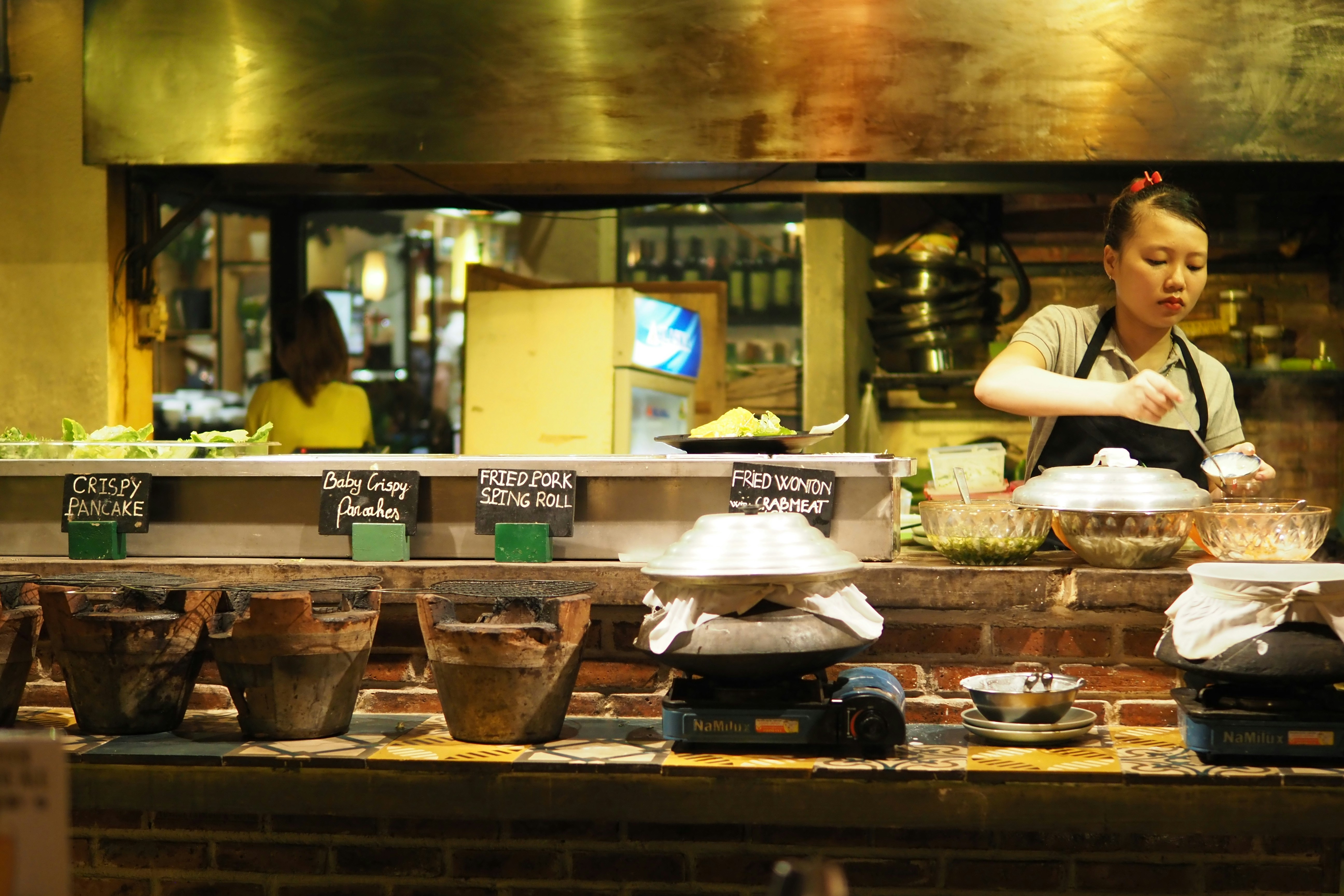
Restaurant Portions
Many restaurant meals contain enough food for two or even three people.
Portion Control Tips That Actually Work
These practical Portion Control Tips can help you eat healthier without feeling deprived.
1. Use Smaller Plates
A smaller plate naturally makes portions appear larger, helping your brain feel satisfied with less food.
2. Fill Half Your Plate with Vegetables
Vegetables are rich in fiber, vitamins, and water while remaining relatively low in calories.
A balanced plate could include:
- Half vegetables
- One-quarter lean protein
- One-quarter whole grains
3. Measure Foods Occasionally
You don’t need to measure every meal forever.
However, spending a few weeks measuring foods helps you better understand realistic portion sizes.
Useful kitchen tools include:
- Measuring cups
- Food scale
- Portion containers
4. Eat Slowly
One of the simplest Portion Control Tips is slowing down.
Try to:
- Put your fork down between bites
- Chew thoroughly
- Enjoy the flavors
- Avoid rushing through meals
5. Drink Water Before Meals
Drinking a glass of water before eating may help reduce unnecessary hunger while supporting hydration.
6. Avoid Eating from the Package
Instead of eating directly from large bags or containers:
- Place snacks into a bowl
- Store the package away
- Focus on your portion
This prevents mindless overeating.
7. Plan Your Meals
Meal planning reduces impulsive food choices and helps maintain consistent portion sizes throughout the week.
Mindful Eating Improves Portion Awareness
Mindful eating encourages paying attention to your body’s hunger and fullness signals.
Practice mindful eating by:
- Sitting at a table
- Eliminating distractions
- Appreciating each bite
- Eating without screens
- Stopping when comfortably full
Mindfulness naturally supports better portion decisions.
Portion Guide for Different Food Groups
Although individual needs vary, these visual cues can help.
Protein
About the size of your palm.
Examples:
- Chicken
- Fish
- Tofu
- Beans
Whole Grains
Approximately one cupped hand.
Examples:
- Brown rice
- Quinoa
- Whole wheat pasta
Healthy Fats
About the size of your thumb.
Examples:
- Peanut butter
- Olive oil
- Nuts
Fruits
One medium fruit or one cup of berries.
Vegetables
Fill at least half your plate whenever possible.
Healthy Meal Planning
Balanced meals make portion control much easier.
Breakfast
Greek yogurt with berries and oats.
Lunch
Grilled chicken, quinoa, and roasted vegetables.
Dinner
Baked salmon with broccoli and sweet potatoes.
Healthy Snacks
- Apple slices
- Almonds
- Carrot sticks with hummus
- Cottage cheese
Planning ahead reduces unhealthy cravings.
Portion Control When Eating Out
Restaurant portions are often much larger than recommended.
Helpful strategies include:
- Share meals
- Order an appetizer as your main dish
- Ask for a take-home container immediately
- Skip oversized sugary drinks
- Eat slowly
You can still enjoy restaurant meals while following Portion Control Tips.
Common Portion Control Mistakes
Avoid these habits:
- Skipping meals
- Eating too quickly
- Drinking calories without noticing
- Grazing all day
- Using oversized bowls
- Eating while distracted
- Assuming healthy foods have unlimited portions
Even nutritious foods contain calories.
Building Long-Term Healthy Habits
Healthy eating isn’t about perfection.
Focus on consistency by:
- Cooking more meals at home
- Planning grocery shopping
- Sleeping 7–9 hours nightly
- Staying physically active
- Drinking enough water
- Managing stress
- Celebrating small improvements
Sustainable habits always outperform short-term diets.
Final Thoughts
Following simple Portion Control Tips can dramatically improve your relationship with food while supporting long-term health. Instead of eliminating favorite foods or counting every calorie, portion control teaches balance, flexibility, and mindful eating.
Remember, healthy eating isn’t about eating less—it’s about eating the right amount for your body’s needs. By using smaller plates, slowing down, planning meals, and paying attention to hunger signals, you’ll naturally develop healthier habits that last a lifetime.
Start with one or two changes today, and over time those small adjustments can lead to meaningful improvements in your overall health and well-being.
Frequently Asked Questions (FAQ)
What is portion control?
Portion control means managing how much food you eat during meals and snacks to help maintain a healthy diet and prevent overeating.
Does portion control help with weight loss?
Yes. Eating appropriate portion sizes can help reduce calorie intake and support healthy, sustainable weight loss when combined with balanced nutrition and regular exercise.
How can I control portions without feeling hungry?
Choose foods rich in protein, fiber, and healthy fats, eat slowly, drink enough water, and fill half your plate with vegetables.
What are the easiest portion control tricks?
Use smaller plates, pre-portion snacks, avoid eating directly from packages, and practice mindful eating.
Can I still enjoy my favorite foods?
Absolutely. Portion control is about balance, not restriction. You can enjoy your favorite foods in moderation.
Is portion control better than strict dieting?
For many people, yes. Portion control is easier to maintain long-term and promotes healthier eating habits without eliminating entire food groups.
Why do restaurants serve such large portions?
Many restaurants serve oversized portions to increase perceived value, which can lead to consuming more calories than needed.
How long does it take to develop portion control habits?
Most people begin noticing positive changes after several weeks of practicing consistent portion awareness and mindful eating.