Understanding the Components of a Balanced Meal
A balanced meal consists of a variety of components, primarily carbohydrates, proteins, fats, vitamins, and minerals. Each of these macronutrients plays a vital role in the body, contributing to overall health and well-being. Understanding the function of each component can help individuals make informed dietary choices.
Carbohydrates are the body’s main source of energy. They are broken down into glucose, which fuels bodily functions ranging from physical activity to brain processes. It is essential to choose complex carbohydrates, such as whole grains, fruits, and vegetables, as they provide fiber and various nutrients that support digestion and metabolic health.
Proteins are critical for the repair and growth of tissues. They are made up of amino acids, some of which are essential and must be obtained from food. Good sources of protein include lean meats, poultry, fish, legumes, nuts, and dairy products. Incorporating a variety of protein sources into meals ensures a complete amino acid profile, which is necessary for optimal bodily functions.
Fats, often misunderstood, are essential for hormone production, nutrient absorption, and maintaining healthy skin and hair. Healthy fats, such as those found in avocados, olive oil, and fatty fish, are important for heart health. It is advisable to limit saturated and trans fats found in processed foods, which can be detrimental to health.
Vitamins and minerals are crucial for a multitude of biochemical processes within the body. They support immune function, energy production, and bone health. Consuming a diverse array of fruits and vegetables can ensure adequate intake of these micronutrients. Lastly, portion sizes play a vital role in nutrient intake and satiety. Being mindful of portion sizes can help manage calorie intake while ensuring an adequate distribution of these essential components in each meal.
Visualizing the Balanced Plate
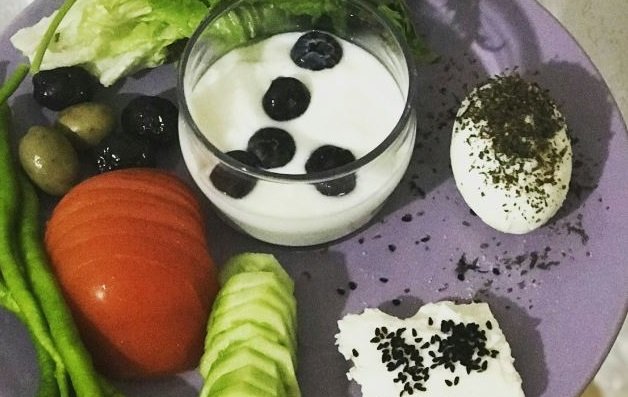
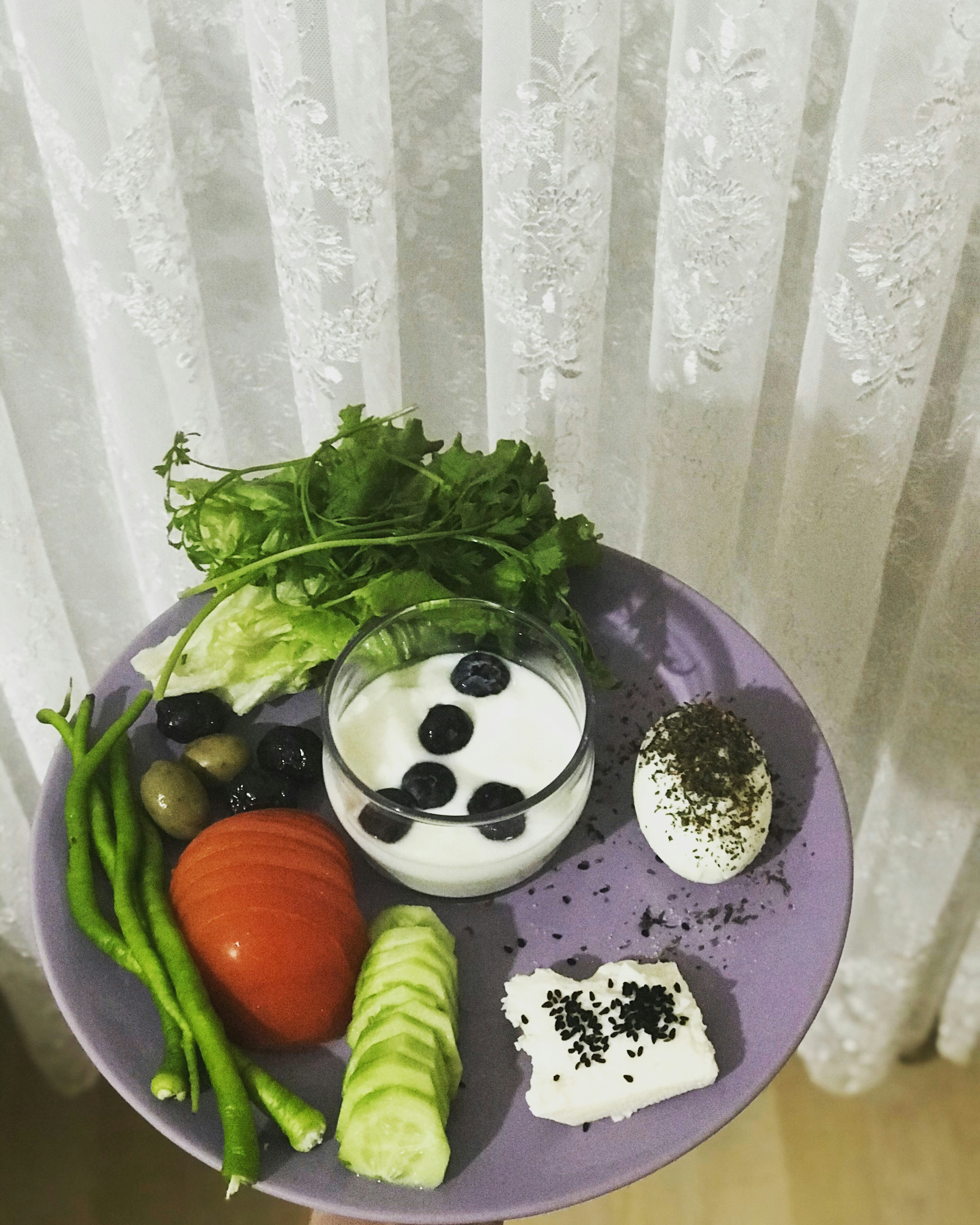
Creating a balanced plate is essential to fostering healthy eating habits. A well-constructed meal visually represents the optimal distribution of food groups, ensuring that one derives necessary nutrients from each source. A simple yet effective approach to achieving this balance is to divide your plate into specific sections, accommodating various food types in a harmonious manner.
To visualize a balanced plate, consider filling half of it with an array of colorful vegetables. Not only do these elements provide vital vitamins and minerals, they also add a vibrant aesthetic appeal to the meal. Aim to incorporate a mix of vegetables, including leafy greens, bell peppers, carrots, and tomatoes. Each color represents different nutrients, which collectively contribute to your overall health and well-being.
Next, allocate one-quarter of the plate to lean proteins such as chicken, fish, legumes, or plant-based proteins. Lean proteins are crucial for muscle repair and growth, and they help to keep you feeling satiated. Look for a variety of textures in this section as well, from tender grilled chicken to nutty chickpeas. This variety enhances the sensory experience of the meal, making it more enjoyable.
The final quarter of the plate should focus on whole grains, such as quinoa, brown rice, or whole wheat pasta. Whole grains offer essential fiber, which aids in digestion and contributes to a feeling of fullness. When incorporating grains, consider both the taste and texture, opting for options like fluffy quinoa or nutty barley to diversify the meal further.
By organizing your plate in this manner, you not only create a visually appealing meal but also ensure that you engage with a variety of flavors and nutrients. A balanced plate fosters a healthy lifestyle when consistently practiced, reflecting nutritional principles in an accessible and enjoyable format.
Practical Tips for Building a Balanced Meal
Creating a balanced meal at home involves thoughtful planning and mindful shopping. Begin your meal planning by incorporating a variety of food groups. A balanced plate should include lean proteins, whole grains, healthy fats, and an array of colorful fruits and vegetables. This not only ensures nutritional adequacy but also enhances the visual appeal of your meals.
When shopping for ingredients, aim for whole, unprocessed foods which form the foundation of healthy eating. Focus on purchasing fresh, seasonal produce, as they are often richer in flavor and nutrients. Seasonal fruits and vegetables also tend to be more affordable due to their abundance. Additionally, consider local farmers’ markets, which often provide fresh, organic options and foster community engagement.
For convenient meal preparation, batch cooking can save time and effort during busy weekdays. Prepare larger quantities of grains and proteins, then store them in portioned containers for easy access throughout the week. Simple roasted vegetables can be made in large batches and paired with various proteins for different meal combinations. Incorporating versatile ingredients, such as quinoa or chickpeas, can further enhance the variety on your plate.
To illustrate the principles of a balanced meal, consider the following examples: a grilled chicken breast with a side of quinoa and steamed broccoli makes for a protein-rich dish, while a vegetarian option could be brown rice topped with black beans, avocado, and a mix of diced bell peppers. Incorporating healthy fats is easy as well; a handful of nuts or a drizzle of olive oil can complement many meals. Remember to adjust portions based on individual dietary preferences and restrictions, ensuring that each meal remains both nourishing and satisfying.
Common Misconceptions About Healthy Eating
Healthy eating is often surrounded by a variety of misconceptions that can lead to confusion and overly restrictive dietary practices. One prevalent myth is the belief that all fats are detrimental to health. In reality, fats play a crucial role in the body, supporting cell growth, protecting organs, and facilitating the absorption of certain vitamins. It is essential to differentiate between unhealthy trans and saturated fats, often found in processed foods, and healthy fats, which are abundant in avocados, nuts, and olive oil. Incorporating healthy fats into one’s diet is not only beneficial but necessary for overall wellbeing.
Another widespread misunderstanding is the notion that carbohydrates should be completely eliminated for a healthy diet. Carbohydrates are a primary energy source for the body, especially for the brain. The key is to focus on quality rather than quantity. Whole grains, fruits, and vegetables provide essential nutrients and fiber, promoting digestive health and overall vitality. Avoiding refined carbohydrates and embracing complex ones can yield better health outcomes without depriving oneself of important food groups.
A balanced approach to nutrition emphasizes the importance of variety and moderation. This means integrating a diverse range of foods to ensure adequate nutrient intake while allowing for occasional indulgences. Emphasizing flexibility over rigidity in eating habits can foster a more positive relationship with food, encouraging individuals to enjoy their meals without guilt. Understanding these common misconceptions about healthy eating can significantly empower individuals to make informed food choices, ultimately contributing to better health and wellbeing.